Trebbiano
A large Italian family of white grapes. Trebbiano d’Abruzzo is a major regional tradition and can produce fresh, structured and age-worthy expressions when grown and vinified carefully.
White wine is one of the clearest expressions of grape variety, climate, soil and cellar technique. It can be light and aromatic, saline and mineral, rich and barrel-aged, sparkling, sweet, late-harvest or built for long maturation.
From Italy’s Trebbiano, Cortese, Falanghina, Verdicchio and Vermentino to Chardonnay, Sauvignon Blanc, Riesling and Albariño, white grapes reveal how strongly terroir and winemaking shape the final glass.
For cooking, white wine contributes acidity, aroma and moisture. For drinking, the same wine must balance fruit, acidity, texture, alcohol and the character of its place of origin.
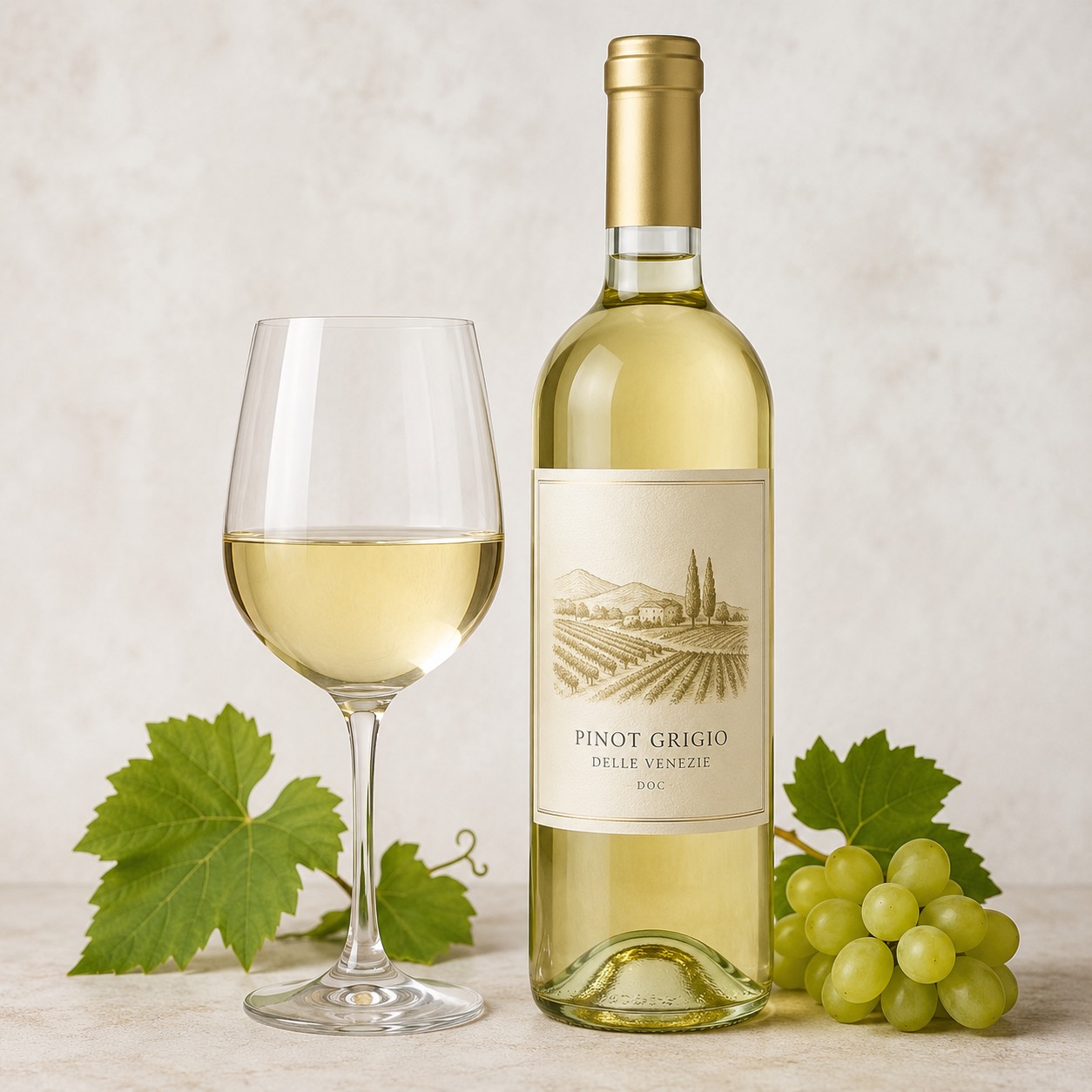
white_wineWhite wine evolved with local grapes, climate, food traditions and cellar technology.
White wine has been produced across Europe and the Mediterranean for centuries, often from local grape varieties adapted to a specific landscape. Historically, wines were made in clay, stone, wood and other vessels. Modern winemaking added hygienic, inert containers and precise temperature control, allowing producers to preserve delicate aromas and freshness more reliably.
Italy remains especially rich in native white grapes. Many regional wines are inseparable from local cuisine: Cortese with Piedmont and Liguria-influenced seafood traditions, Falanghina with Campania, Verdicchio with Marche seafood, Trebbiano across central Italy and Abruzzo, and Vermentino along Mediterranean coastal zones.
A selection of major varieties useful for culinary education, pairing and regional wine knowledge.
A large Italian family of white grapes. Trebbiano d’Abruzzo is a major regional tradition and can produce fresh, structured and age-worthy expressions when grown and vinified carefully.
The grape of Gavi DOCG in Piedmont. Gavi is traditionally made from 100% Cortese and is associated with freshness, elegance, citrus and mineral character.
A historic Campanian grape strongly associated with Sannio and Benevento. It performs especially well in warm, dry, hilly areas and can be made as still, sparkling, late-harvest or sweet wine.
A flagship Marche grape known for acidity, salinity, structure and aging potential. The Castelli di Jesi zone combines hills, calcareous-clay soils and maritime influence.
A Mediterranean grape associated with Sardinia, Liguria and coastal Tuscany. Vermentino di Gallura DOCG requires at least 95% Vermentino.
One of Italy’s best-known international white varieties, particularly important in the northeast. Styles range from light and crisp to richer, skin-contact expressions.
A Campanian variety capable of floral, nutty, smoky and mineral complexity, with strong acidity and excellent potential for bottle development.
Another important southern Italian white grape, especially associated with Campania. Often structured, savory and mineral with citrus and orchard-fruit character.
The principal grape behind Soave. It can produce delicate floral wines as well as more concentrated, age-worthy styles from hillside vineyards.
A Piedmontese white grape best known from Roero, often showing pear, almond, white flowers and a gentle savory finish.
An Adriatic-side Italian grape valued for acidity, citrus, herbs and structure, with important plantings in Abruzzo and Marche.
A central Italian variety used for fresh still whites and sparkling styles, often showing flowers, citrus and light orchard fruit.
International reference varieties and the regions that made them famous.
One of the world’s most adaptable white grapes. Chablis shows its cool-climate, limestone-driven side; Burgundy can also show richer barrel-fermented expressions. It is equally important in California, Australia, South Africa, Chile and many other regions.
Known for freshness, citrus, herbs and strong aromatic character. Classic references include Sancerre and Pouilly-Fumé in the Loire, while Marlborough in New Zealand became famous for a more intensely aromatic style.
One of the great high-acid white grapes, capable of bone-dry through intensely sweet wines. Germany’s Mosel and Rheingau, Alsace, Austria, Australia and other cool regions are important references.
A versatile Loire grape capable of dry, sparkling and sweet wines with high acidity, apple, quince, honey and mineral complexity.
An Atlantic variety strongly associated with Rías Baixas in Spain and Vinho Verde/Monção e Melgaço in Portugal, known for aromatic freshness, citrus and saline character.
Austria’s signature white grape, ranging from light peppery wines to powerful, age-worthy examples from Wachau, Kamptal and Kremstal.
Important in Bordeaux blends and famous as a long-lived dry white in Australia’s Hunter Valley. It is also essential to many botrytized sweet wines.
Highly aromatic, with rose, lychee and spice. Strongly associated with Alsace and cooler continental regions.
Known for peach, apricot and floral perfume. Condrieu in the northern Rhône is the historic reference, while the grape is now grown globally.
The core objective is to transform grape sugar into wine while controlling oxidation, temperature, aroma and texture.
The vessel is a stylistic choice, not simply a white-versus-red distinction.
Stainless steel is widely used for white wines because it is neutral, easy to clean and precise for temperature control. It helps preserve fresh fruit, floral aromatics, acidity and a clean expression of the grape.
Wooden barrels and casks can be used for fermentation or aging when more texture, oxygen exchange, lees complexity or oak-derived flavor is desired. New oak can add toast, vanilla and spice; older or larger vessels contribute less wood flavor while still changing texture and oxygen exposure.
There is no single “best” terroir; the great regions are those where grape, soil, climate and human technique work together exceptionally well.
| Region | Important Grape(s) | Why It Matters |
|---|---|---|
| Gavi, Piedmont, Italy | Cortese | Hilly southeastern Piedmont near the Ligurian Apennines; historically linked to elegant, fresh Cortese-based white wine. |
| Sannio / Campania, Italy | Falanghina | Warm, dry hills that preserve Falanghina’s aromatic identity and freshness; the grape is central to Falanghina del Sannio DOC. |
| Castelli di Jesi, Marche, Italy | Verdicchio | Hills from maritime influence toward the pre-Apennines, with calcareous-clay and marl-rich soils; excellent for structured, saline, long-lived whites. |
| Gallura, Sardinia, Italy | Vermentino | Mediterranean light, wind and granitic terrain help create intense, dry, aromatic Vermentino with strong regional identity. |
| Abruzzo, Italy | Trebbiano d’Abruzzo | Hills between mountains and Adriatic influence allow Trebbiano to range from simple fresh wines to serious, structured expressions. |
| Chablis, France | Chardonnay | Cool climate plus Kimmeridgian limestone and marl create one of the world’s reference expressions of dry, high-acid Chardonnay. |
| Sancerre / Centre-Loire, France | Sauvignon Blanc | Clay-limestone, limestone and flint soils produce distinct Sauvignon expressions ranging from lively and fruity to structured and mineral. |
| Mosel, Germany | Riesling | Cool climate, steep river slopes and slate soils create high-acid, aromatic Riesling with remarkable delicacy and longevity. |
| Rías Baixas, Spain | Albariño | Atlantic influence, humidity and granitic soils favor aromatic, high-acid, saline white wines. |
| Wachau / Kamptal, Austria | Grüner Veltliner, Riesling | Danube valleys, terraces and strong day-night temperature variation produce precise, structured whites with excellent aging potential. |
| Marlborough, New Zealand | Sauvignon Blanc | Cool nights and strong sunlight helped establish a globally recognizable intensely aromatic style. |
| Margaret River, Australia | Chardonnay, Sauvignon Blanc/Sémillon | Maritime climate supports concentrated but balanced whites with acidity, texture and longevity. |
White wine is both a beverage and a core professional kitchen ingredient.
White wine lifts browned flavors from a pan and provides acidity for seafood, poultry, vegetable and light meat sauces.
Excellent with clams, mussels and other shellfish because it contributes moisture, acidity and aromatic complexity to the cooking liquor.
A traditional aromatic addition after toasting rice, especially for seafood, vegetable and delicate white-meat risotti.
Used in reductions, beurre blanc-style sauces, fumet-based preparations and poaching liquids.
Useful for deglazing and reducing in lighter sauces where red wine would dominate color and flavor.
Provides acidity and aroma in selected marinades and slow-cooked dishes, particularly when combined with herbs, stock and vegetables.
Tuscany Cuisine system identity for recipes, inventory, purchasing and culinary knowledge.
| Canonical name | White Wine |
|---|---|
| Italian name | Vino Bianco |
| Inventory ID | white_wine |
| Category | Wine & Beverage |
| Subcategory | White Wine / Cooking Wine |
| Icon | /wine/grapes/vinobianco.jpeg |
| Knowledge page | /wine/grapes/whitewine.html |
| Formal ingredient code | Pending Master Ingredient Registry assignment |
| Connected recipe | Recipe 167 — Steamed Clams with Hollandaise & Crispy Prosciutto |
| Recipe usage | 120 g white wine for steaming clams and building the aromatic cooking liquor |
Temperature, oxygen and closure management strongly influence white wine after opening.
Serve delicate whites cooler, but not so cold that aroma disappears. Fuller-bodied, barrel-aged whites benefit from slightly warmer service temperatures so texture and complexity can emerge.
Once opened, refrigerate and minimize oxygen exposure. For production kitchens, date the bottle and use it while the wine remains clean and fresh. Oxidized wine can negatively affect sauces and reductions.
Official and professional sources used to verify grape, region and production information.