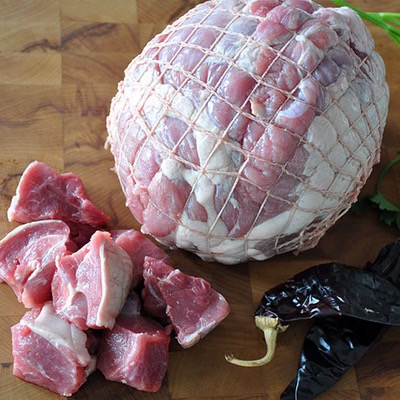
Wild Boar Shoulder
Ideal for salmì, ragù and long braises. This is the cut connected to Tuscany Cuisine Recipe 479 — Cinghiale in Salmì.
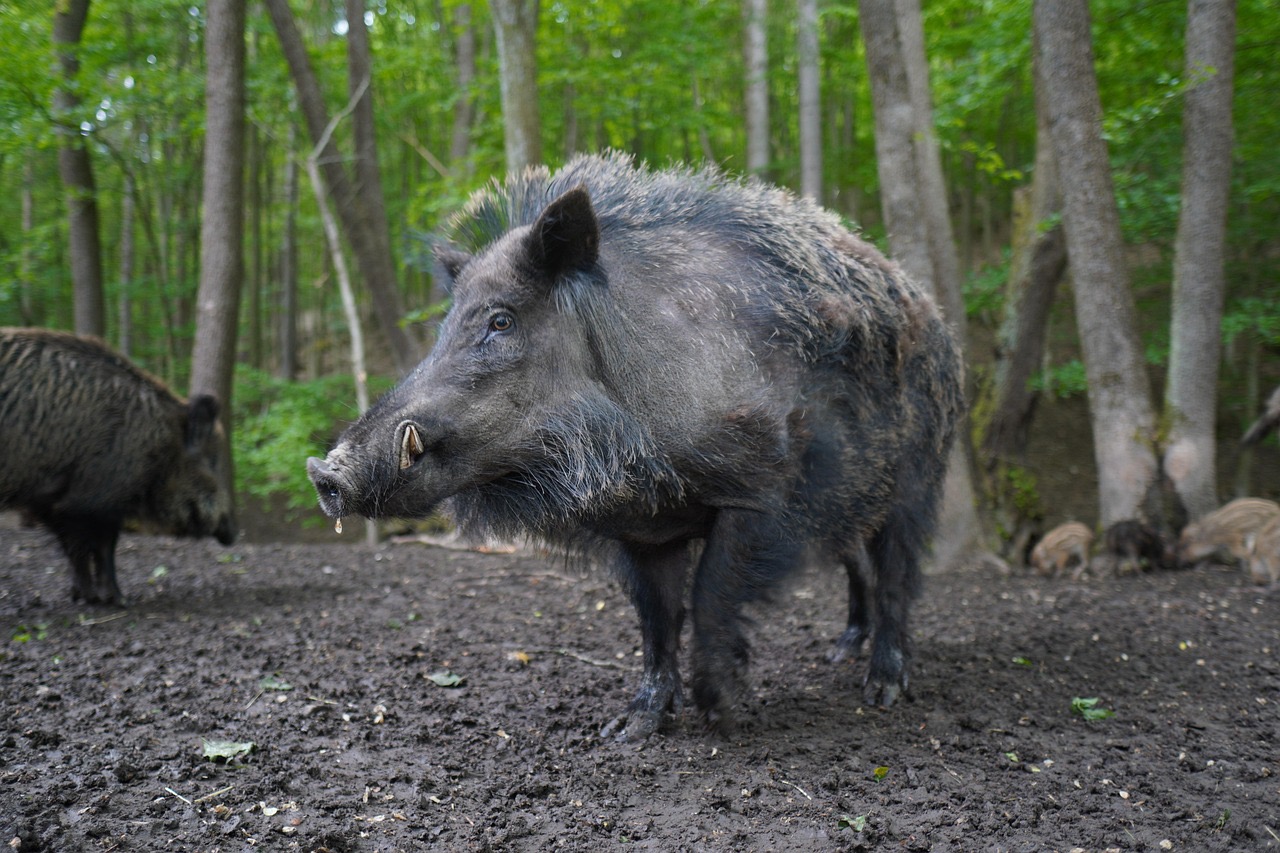
Sus scrofa is one of the most important wild game animals in Tuscan culinary tradition. Its dark, lean, assertive meat rewards careful trimming, aromatic marinades, patient braising and strong regional accompaniments such as wine, juniper, porcini, polenta and woodland herbs.
This foundation record connects the IL CINGHIALE culinary film, wild-boar education, ingredient identity, Live Inventory and the Cinghiale in Salmì Secondi recipe.
A Tuscany Cuisine culinary film by Chef David Giani exploring the wild boar of Tuscany — from its landscape, hunting tradition and seasonality to marination, slow cooking, salmì, ragù, pappardelle and modern Tuscan cuisine.
The dedicated Wild-boar.webp graphic represents the Tuscany Cuisine wild-boar identity. The current recipe connection uses Wild Boar Shoulder for Recipe 479, Cinghiale in Salmì, while this foundation page covers the broader animal, cuts and professional culinary applications.
Wild boar belongs to the species Sus scrofa. It is native across much of Eurasia and has also been introduced elsewhere. In the United States, USDA notes that feral swine are non-native and traces their establishment to animals brought by explorers and settlers beginning in the 1500s, with Eurasian wild boar later introduced for sport hunting.
Compared with domestic pork, wild boar is typically darker, leaner and more pronounced in flavor. Diet, age, season, sex, cut and handling all affect the finished character. Proper aging, trimming and controlled cooking are especially important with strongly flavored game.
Wild boar is deeply associated with southern Tuscany and the Maremma. Visit Tuscany describes Maremma cuisine as strongly connected to wild game and specifically highlights wild boar in stew, pasta sauces, sausages and regional food festivals. The tradition of wild-boar sauce is identified with the Maremma before spreading into other parts of Tuscany.
The same fundamental carcass regions used in pork fabrication apply to wild boar, but game tends to be leaner and benefits from matching the cut to the cooking method.
Ideal for salmì, ragù and long braises. This is the cut connected to Tuscany Cuisine Recipe 479 — Cinghiale in Salmì.
Flavorful, collagen-rich meat for stew, ragù, sausage and slow cooking.
Lean and comparatively tender; best protected from overcooking and served with assertive sauces.
Small, tender and very lean; suited to controlled roasting or pan cooking with careful temperature management.
Large, lean muscles suitable for roasting, braising, cured preparations and ground meat.
Rich in connective tissue and excellent for slow braising, especially with wine and aromatics.
Useful for sausage, forcemeat and blending with leaner cuts where additional fat is required.
Liver, heart and other edible organs may be used where legally and safely sourced, following appropriate game-handling controls.
Traditional Tuscan preparations commonly use red wine with juniper, bay and aromatic vegetables. Marinating seasons the exterior and builds the future braising liquid; it should not be treated as a substitute for correct sourcing, refrigeration or safe cooking.
For shoulder and neck, brown the meat thoroughly, sweat the aromatics, develop tomato paste when used, deglaze with wine, then cook slowly until connective tissue softens and the sauce becomes cohesive. Resting the finished braise overnight often improves integration of flavor.
Wild-boar nutrition varies substantially with cut, fat level, age, field condition and trimming. In professional menu analysis, use the exact supplier or laboratory nutrient data whenever possible. As a culinary category, wild boar is generally treated as a protein-rich game meat with iron, zinc and B vitamins, while visibly lean cuts can contain less external fat than many domestic pork cuts.
This foundation page does not publish a single universal calorie or fat value because wild game composition is highly variable. Recipe-level nutrition should be calculated from the exact meat specification and preparation used.
Wild boar requires disciplined handling. CDC advises cooking meat to safe internal temperatures and verifying with a food thermometer. CDC also warns that freezing wild game may not reliably kill all Trichinella, because some species infecting wild game are freeze-resistant. Curing, drying or smoking alone also should not be assumed to eliminate the hazard.
Cinghiale in Salmì is the platform’s primary wild-boar foundation recipe. Recipe 479 uses 1,200 g wild boar shoulder marinated in red wine with juniper and bay, then braised with onion, carrot, celery and tomato paste and served with porcini, polenta and spinach.
Cinghiale is the Italian word for wild boar. In Tuscany it is closely associated with Maremma game cuisine.
Shoulder is an excellent choice because its structure and connective tissue respond well to long marination and slow braising.
Juniper contributes resinous, piney and woodland aromas that complement the earthy, gamey character of wild boar and pair naturally with wine-based marinades.
Freezing should not be relied on as the sole control for wild game. CDC notes that some Trichinella species found in wild game are freeze-resistant.