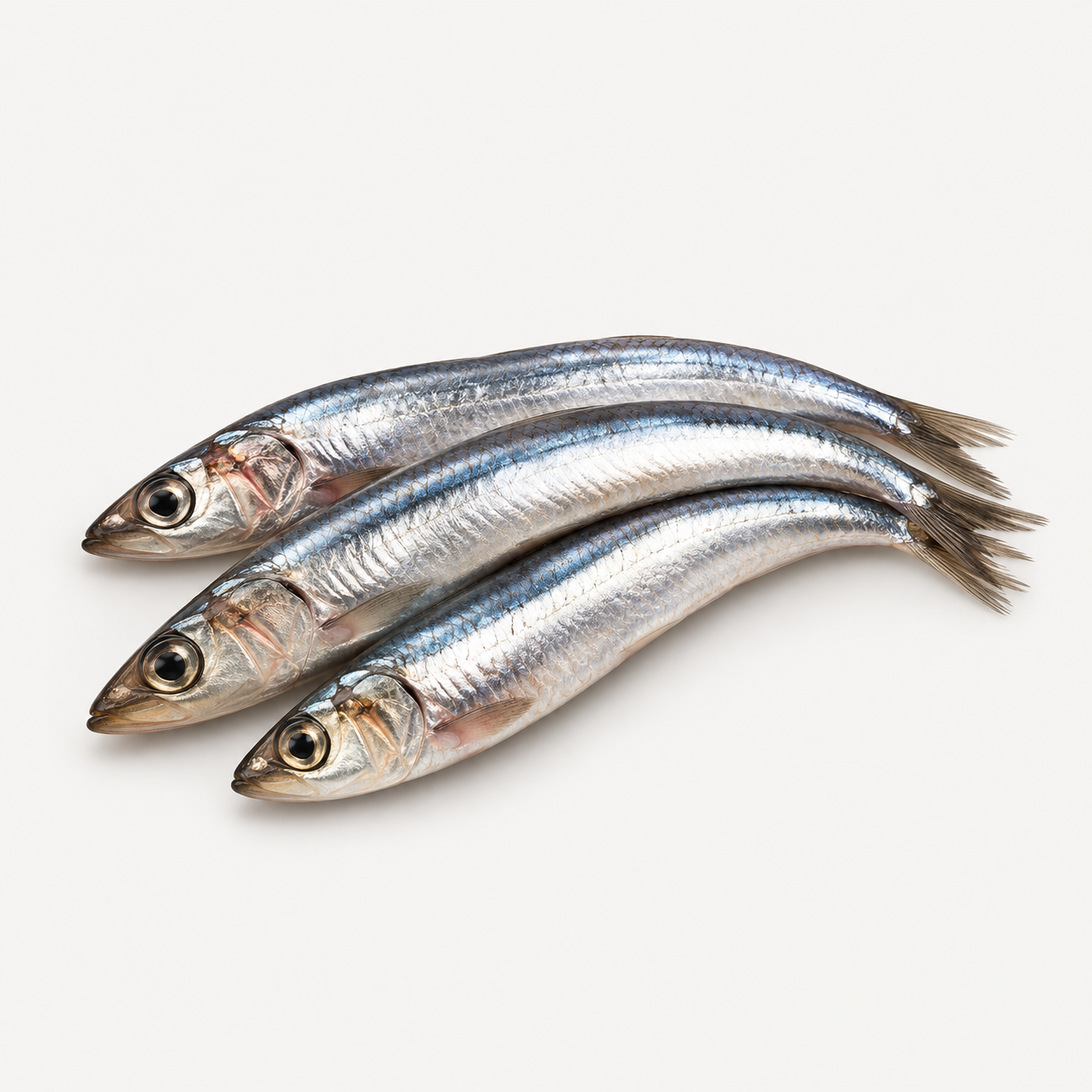
A small fish with enormous culinary power: fresh, salted, oil-packed or marinated,
anchovy can season a sauce, deepen a soffritto, enrich crostini, sharpen a salad
dressing and connect rustic tradition with professional kitchen precision.
Acciuga & AliciFresh & PreservedMediterranean TraditionSauces & PastaProfessional Use
Why Anchovy Matters
Anchovy is one of the most concentrated seasoning ingredients in classical and modern savory cooking.
In one context it is a fresh fish to grill, fry, marinate or preserve; in another it becomes a pantry
staple whose salt, depth and marine umami can transform an entire dish without making the final flavor
obviously “fishy.”
For Tuscany Cuisine, anchovy is important because it bridges Culinary Foundations and the Ingredient
Library. It appears in crostini, pasta sauces, vegetable dishes, salad dressings, braises, fish
preparations, canapés and preserved pantry applications.
History & Mediterranean Heritage
A fish of humble scale but deep historical importance.
Anchovies have long been central to coastal food cultures around the Mediterranean and beyond.
Their importance came not only from abundance, but from the ability to preserve them through salting,
fermentation and packing. This made anchovy an accessible protein and, later, a valuable seasoning fish.
In Italian food culture, the words acciuga and alice are both used,
with regional and culinary distinctions. Fresh anchovies are commonly associated with alici,
while preserved or salted preparations are often called acciughe, although usage can vary.
Over centuries they became staples in family cookery, trattoria cuisine and pantry preservation.
Traditional significance:
anchovy is one of the classic “little ingredients” that can give big structure to a dish—
much like capers, olives, garlic and good olive oil in Mediterranean cooking.
Fresh Anchovy vs Preserved Anchovy
The professional kitchen must understand the difference clearly.
Fresh Anchovy
Fresh anchovies are delicate small fish with a clean marine aroma and tender flesh. They may be
floured and fried, grilled, marinated, baked, stuffed or used in simple coastal dishes. Their
handling is similar to other very perishable small fish and they should be used quickly.
Preserved Anchovy
Preserved anchovies are typically cured in salt and later packed as fillets in oil or kept in salted
form. This is the pantry anchovy most used for seasoning. It dissolves into hot oil, soffritto or sauce,
contributing salinity, savory complexity and umami.
Classic Anchovy Forms
One fish, many culinary identities.
Salted Fillets
The professional pantry workhorse: dense, salty and ideal for sauces, crostini and vegetable dishes.
Oil-Packed Fillets
Convenient ready-to-use anchovies with softened texture, suitable for quick prep and finishing.
White Anchovies / Boquerones
Anchovies marinated in vinegar, brighter and less salty than cured fillets, often served as tapas or antipasti.
Fresh Whole Anchovy
Best for frying, stuffing, grilling or marinating when pristine and very fresh.
Colatura di Alici
An Italian liquid seasoning derived from anchovy curing, prized for its deep savory intensity.
Anchovy Paste
A commercial convenience product useful for fast seasoning, though many chefs prefer whole fillets for more control.
Italian Anchovy Tradition
Anchovy belongs to both humble family cooking and highly refined regional cuisine.
In Italy, anchovy is used across a wide spectrum of culinary practice. It appears in crostini,
vegetable sautés, pasta sauces, bagna càuda, seafood dishes, dressings, breadcrumbs, braises and
preserved condiments. It is one of those ingredients that can be visible and dominant, or almost
invisible yet essential.
Anchovy’s role in Tuscan and Florentine kitchen work often comes through seasoning logic:
a fillet melted into warm oil or sautéed with aromatics can deepen the flavor of liver pâté,
greens, artichokes, tomato sauces and other savory dishes. Its contribution is often structural,
not simply declarative.
Seasonality & Quality
Fresh anchovy is seasonal and highly perishable; preserved anchovy is year-round.
Spring
In some fishing regions fresh anchovy quality improves and coastal preparations become more common.
Summer
Peak demand for marinated, fried and light anchovy preparations in many Mediterranean traditions.
Early Autumn
Still an important period for fresh fish use in several coastal markets.
How to Judge Fresh Anchovy
Look for bright skin, clear eyes, a clean marine smell, firm texture and no evidence of excessive softness
or stale fish aroma. Because anchovies are delicate, freshness matters enormously.
How to Judge Preserved Anchovy
Good preserved anchovies should have clean savory aroma, intact fillets, balanced salinity and no rancid oil
or harsh stale notes. Quality differences between brands can be significant.
Flavor Profile
Anchovy is defined by concentration, salinity and savory depth.
Fresh
Clean, delicate and marine, with softer fish flavor than many cooks expect.
Salt-Cured
Intense, savory, salty and deeply umami, able to enrich a dish in very small quantities.
Marinated
Brighter, acidic and gentler, more overtly a fish appetizer than a hidden seasoning ingredient.
Storage & Handling
Storage depends entirely on whether the anchovy is fresh or preserved.
Fresh anchovies: keep very cold and use quickly; they are highly perishable.
Salt-packed anchovies: store according to packaging guidance; often refrigerated after opening.
Oil-packed anchovy fillets: refrigerate after opening and keep submerged or well protected.
Marinated anchovies: maintain cold-chain discipline and observe food-safety standards carefully.
Chef’s note:
many recipes require only a small quantity of preserved anchovy. Control salt elsewhere in the dish
until the anchovy has dissolved and the seasoning can be judged accurately.
Anchovy Identity for Tuscany Cuisine
The first active platform identity is the preserved anchovy fillet used in recipe seasoning.
Preserved Anchovy Fillets
This icon is intended for the preserved anchovy fillet identity used in many recipe formulas—
especially where anchovy is a supporting seasoning ingredient rather than the main fish component.
Why This Identity Matters
The preserved anchovy fillet is the most common operational form for Tuscany Cuisine recipe integration.
It belongs in crostini, sauces, dressings, pasta, vegetable cookery and savory supporting components.
In a later phase, the platform can separate additional identities such as Fresh Anchovy, White Anchovy /
Boquerones, Salt-Packed Whole Anchovy and Colatura di Alici.
Culinary Uses
Anchovy can function as ingredient, garnish or invisible seasoning tool.
Antipasti
Crostini, marinated fish plates, buttered toasts, vegetable antipasti and savory canapés.
Pasta & Sauces
Melted into oil with garlic and chili, or used to add depth to tomato sauces and savory reductions.
Vegetables
Anchovy is classic with greens, artichokes, fennel, broccoli and other assertive vegetables.
Dressings & Condiments
Caesar-style dressings, bagna càuda, vinaigrettes and deeply savory spreads.
Seafood
Used directly as fish or indirectly as seasoning for shellfish and other marine dishes.
Breadcrumbs & Stuffings
Finely chopped anchovy can enrich herb crumbs, bread stuffings and savory aromatic pastes.
Nutrition
Anchovy offers protein and important micronutrients, though preserved forms can be high in sodium.
Anchovies provide protein and are associated with nutrients such as calcium (especially when tiny bones are eaten
in some forms), selenium and omega-3 fatty acids. Preserved anchovy fillets, however, are often very high in salt,
so culinary balance and portion control matter.
Tuscany Cuisine Platform Record
Anchovy is an important cross-platform identity because it connects fish knowledge, pantry preservation,
savory seasoning logic and recipe production. This page establishes the preserved anchovy fillet as a
reusable platform ingredient.
Fish & SeafoodPreserved FishAntipastiPrimiSaucesLive InventoryOne Ingredient · One Identity
Planned Future Anchovy Identities
Fresh Anchovy, White Anchovy / Boquerones, Salt-Packed Anchovy and Colatura di Alici can later become
separate Tuscany Cuisine records if you want greater operational detail in the system.