Ingredient identity
One Culinary Family, Several Distinct Animals
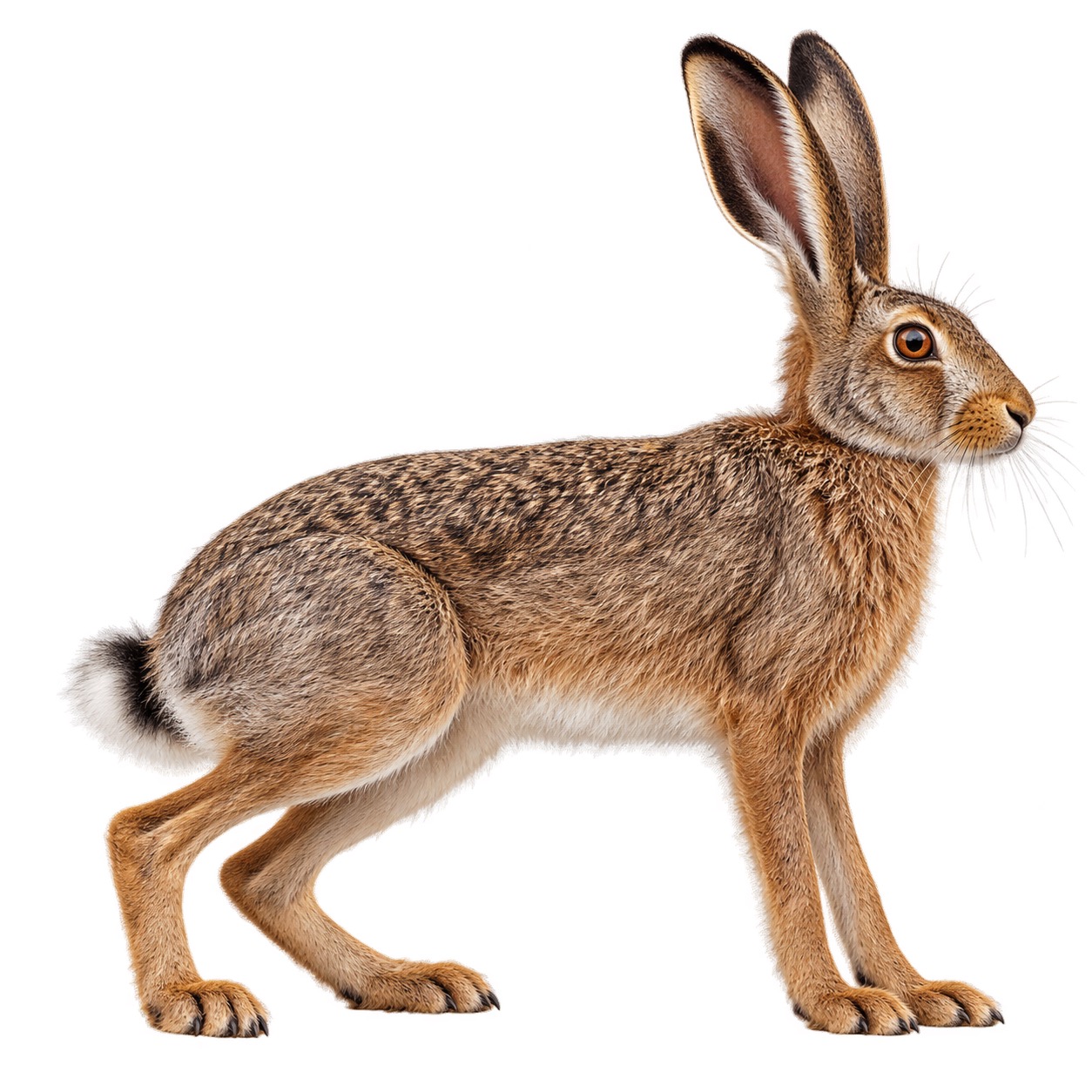
Rabbits and hares belong to the family Leporidae and the order Lagomorpha, but they should not be treated as interchangeable biological species. The differences affect body structure, habitat, sourcing, meat character and the techniques a chef chooses in the kitchen.
FamilyLeporidae · lagomorphs, not rodents.
Wild RabbitOryctolagus cuniculus · compact body, shorter ears and legs, burrowing behavior.
European HareLepus europaeus · larger frame, long ears and hind legs, open-country runner.
Culinary DirectionRabbit is generally milder; hare is darker, firmer and more game-forward.
Tuscany Cuisine game ingredient card
Blue Hare / Wild Rabbit
This graphic is the Tuscany Cuisine visual identity for the rabbit-and-hare game family used by Recipe 232. The recipe name “Blue Hare” is retained as a culinary and procurement description, but the page does not pretend that “blue hare” always identifies one universal zoological species. When a supplier or hunter provides the exact species, that identity should be recorded with the purchase or receiving record.
GAME-LEPORID-001
TC-ICON-GAME-RABBIT-HARE-001
Base unit: g
Game / Rabbit & Hare
Platform status: ingredient-library identity and icon are ready. A dedicated Live Inventory registration can be added next so the exact purchased form—wild rabbit, European hare or another legally sourced species—can carry its own stock, cost, vendor and receiving history.
European food history
Centuries at the European Table
Rabbit and hare are not modern specialty meats. They belong to a very old European food culture in which hunting, estate management, household husbandry, preservation, roasting and slow braising all shaped the way small game reached the table.
Medieval Europe
Historical studies of medieval European kitchens document rabbit among the meats served in the period, alongside beef, mutton, deer, birds and wild game. Preparation depended heavily on social class, access to hunting or estates, religious calendars and local resources.
Renaissance and Early Modern Kitchens
As European cookery became increasingly documented, game continued to be associated with roasting, pies, spiced sauces, wine cookery and elaborate household service. Rabbit also grew as an agricultural and domestic meat, widening access beyond hunting alone.
Farmhouse and Regional Cooking
Across Italy, France, Spain, Britain and other parts of Europe, rabbit became both practical and versatile, while hare retained a more strongly seasonal game identity. Local wine, herbs, onions, roots and preserved seasonings defined regional preparations.
Modern Professional Cuisine
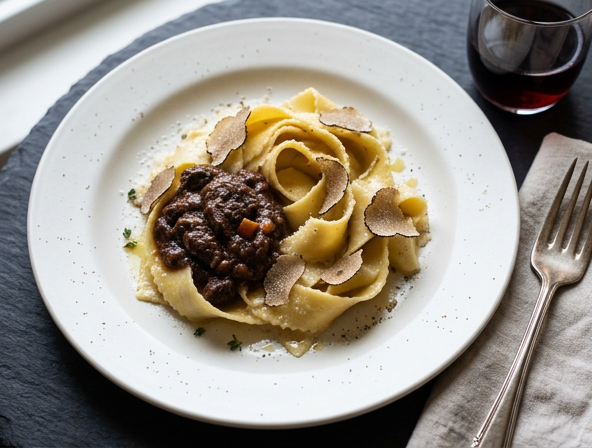
Today the same animals can appear in rustic braises, refined terrines, stuffed saddle preparations, tasting-menu ragù, fresh pasta dishes and modern sous-vide cookery. The technique changes, but the European culinary lineage remains visible.