What Is Italian Gelato?
Gelato is one of Italy's defining frozen desserts. Its older ancestry reaches through snow-cooled drinks, sorbet traditions and Mediterranean methods of preserving frozen preparations, while the modern milk, cream and egg tradition is strongly associated with Renaissance Italy and Medicean Florence.
In professional production, gelato is not simply "ice cream in Italian." The formulation and churning process are generally designed for a denser body, lower overrun and a direct expression of flavor. American-style ice cream commonly uses more cream and incorporates more air, while gelato is commonly formulated with more milk relative to cream and less overrun.
Crema Gelato — Chef's Traditional Small-Batch Formula
-
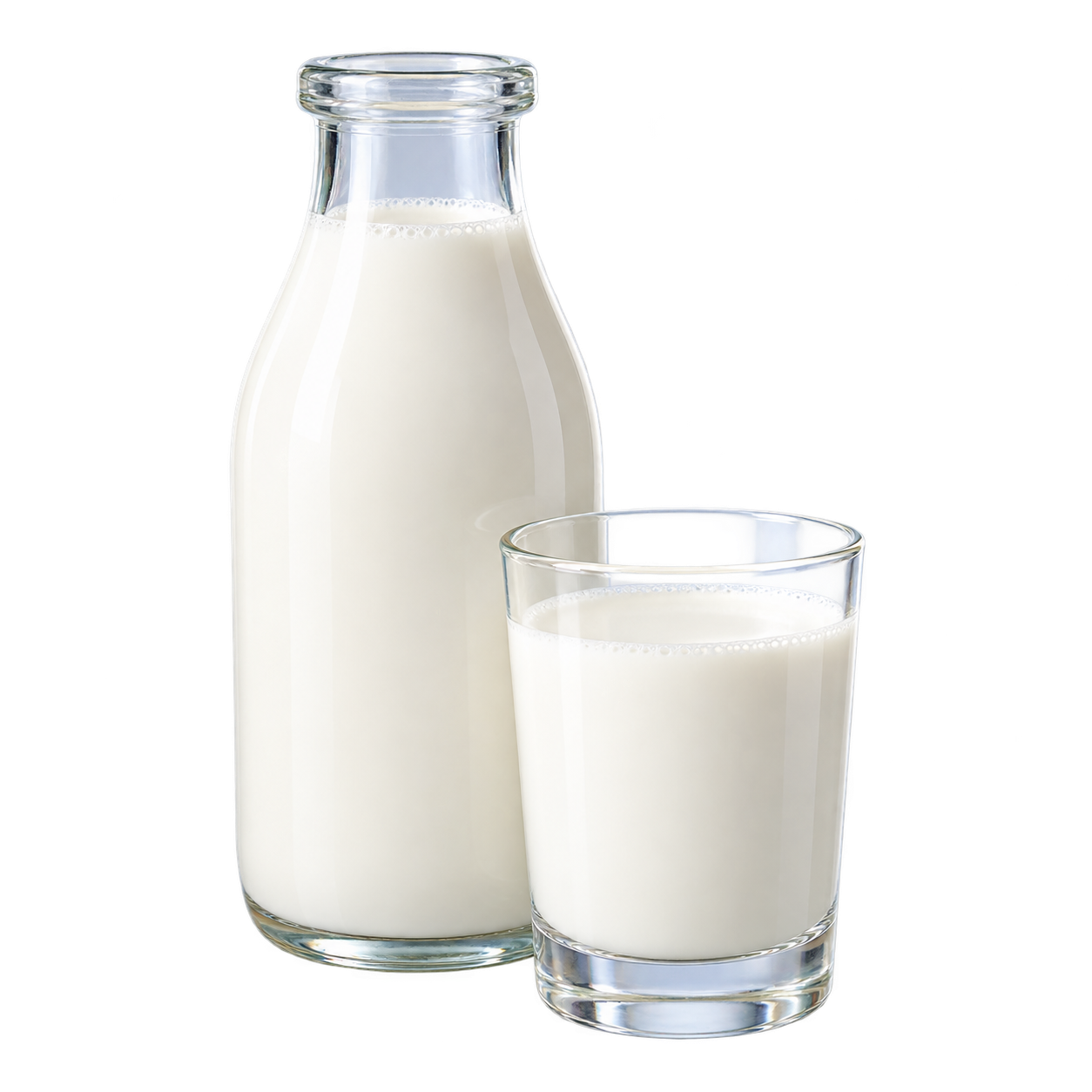 1 L whole milk
Primary dairy base. -
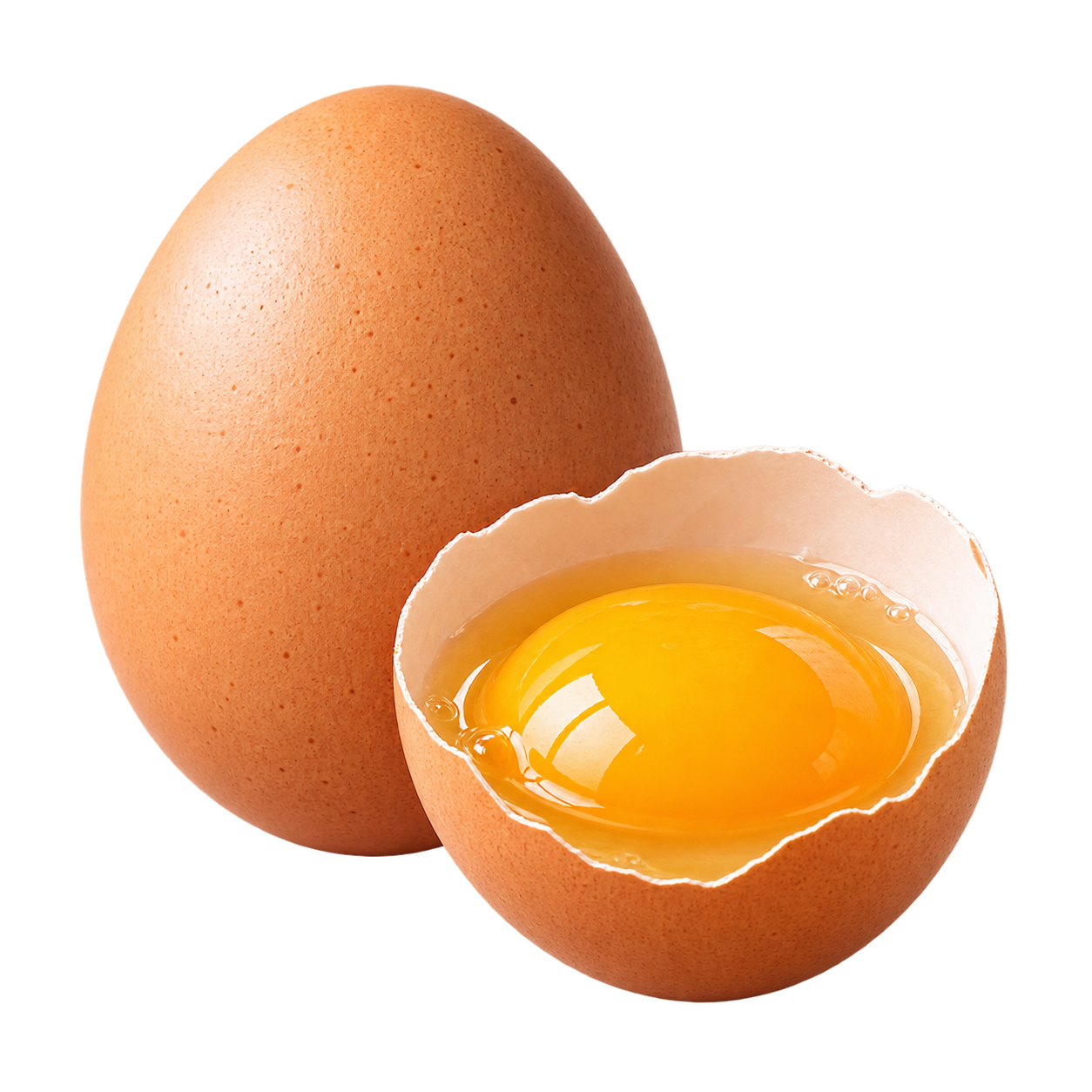 22 egg yolks
Richness, color, natural lecithin and emulsification. -
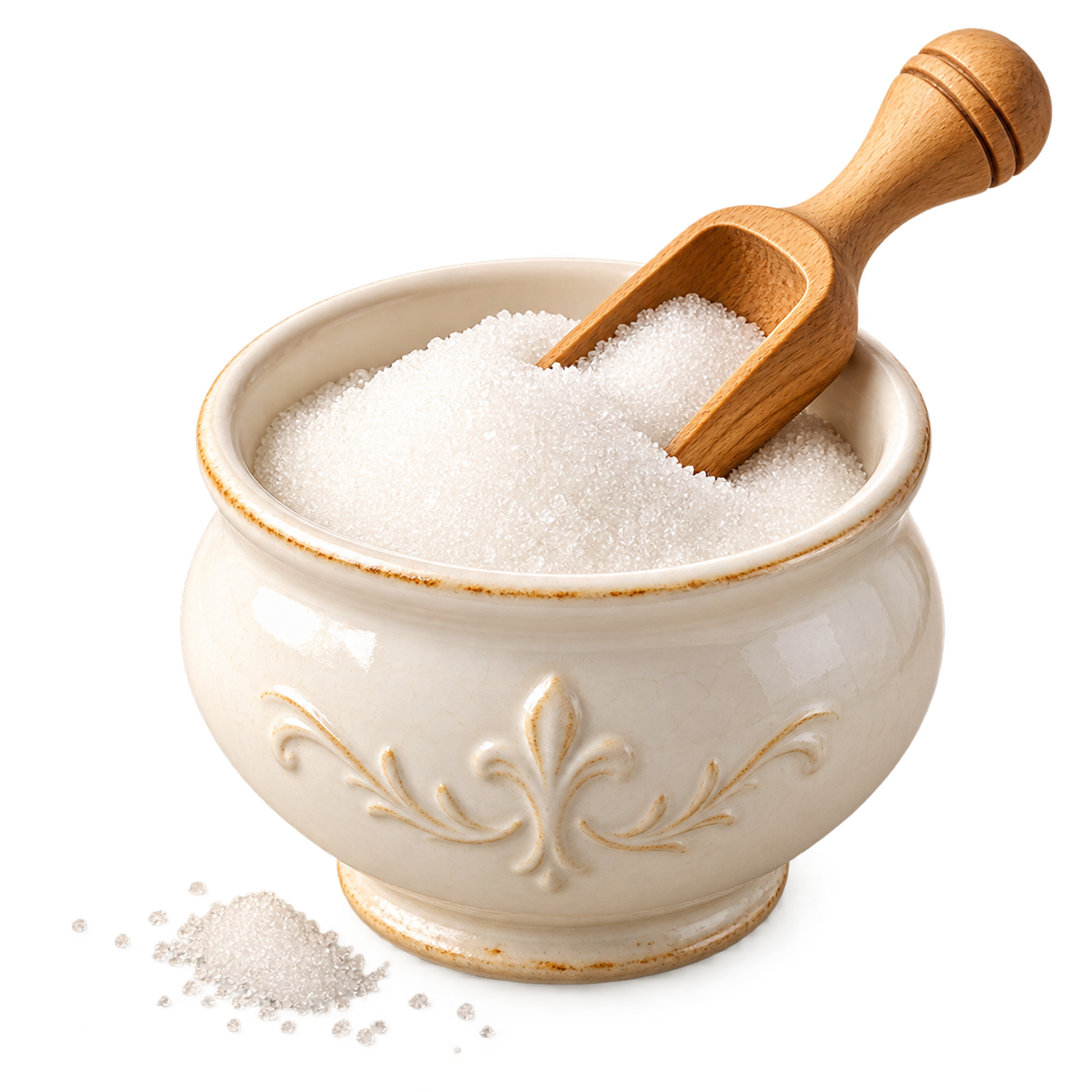 300 g granulated sugar
Sweetness, body and freezing-point control. -
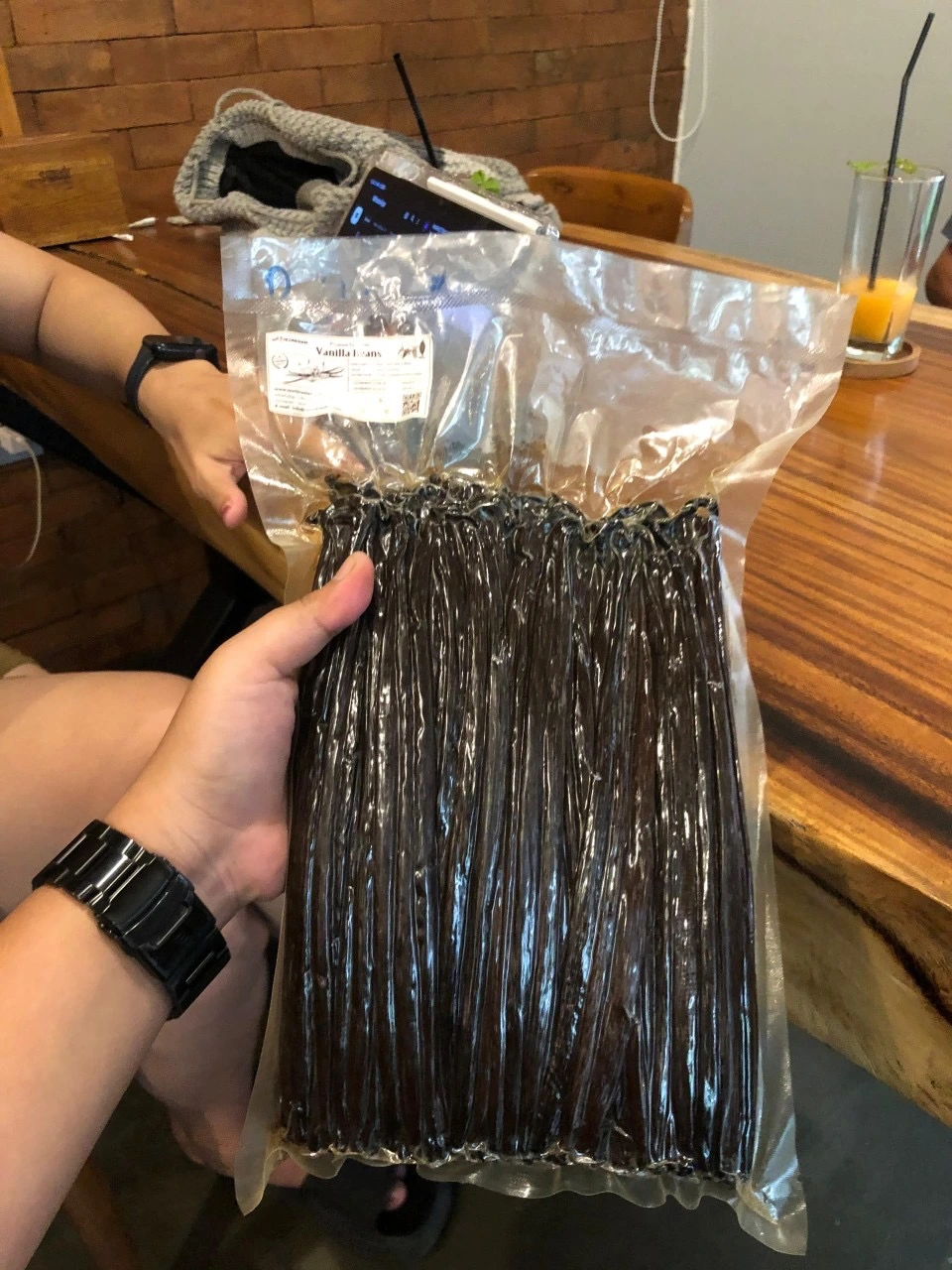 4 vanilla beans
Split lengthwise; scrape and use both seeds and pods for infusion.
Traditional Production Method
- Infuse the vanilla. Split the vanilla beans, scrape the seeds and add both seeds and pods to the whole milk. Warm gently to release the aroma.
- Prepare the yolks. Whisk the egg yolks and sugar together until uniform. The sugar should not sit unmixed on the yolks for a long period.
- Temper. Add the warm milk gradually to the yolk mixture while whisking, then return the combined base to gentle heat.
- Pasteurize / cook the custard. Cook gently over a bain-marie while stirring continuously. Do not boil. Continue until the foam disappears, the liquid thickens slightly and coats the back of a spoon. For a crème-anglaise-style base, chefs commonly work around 82–85°C / 180–185°F while avoiding curdling.
- Strain. Pass the base through a fine strainer to remove pods and any coagulated egg particles.
- Cool rapidly. Set the container over an ice-and-salt bath and stir frequently until the base reaches approximately 37°F / 3°C. Rapid cooling protects quality and moves the custard quickly out of the warm temperature range.
- Mantecazione. Pour the chilled base into the gelato maker — the Italian mantecatore — and churn until the mixture becomes smooth, dense and creamy.
- Harden or serve. Serve at the desired soft gelato texture or transfer immediately into a chilled container and harden for later service.
Batch Scaling — Crema Gelato
| Ingredient | 1× Batch | 2× Batch | 5× Batch | 10× Batch |
|---|---|---|---|---|
| Whole milk | 1 L | 2 L | 5 L | 10 L |
| Egg yolks | 22 | 44 | 110 | 220 |
| Sugar | 300 g | 600 g | 1.5 kg | 3 kg |
| Vanilla beans | 4 | 8 | 20 | 40 |
Gelato vs. Ice Cream
| Characteristic | Italian Gelato | Typical American Ice Cream |
|---|---|---|
| Dairy balance | Often more milk relative to cream | Often more cream and higher milk fat |
| Air / overrun | Lower; denser texture | Often higher; lighter body |
| Flavor perception | Direct, concentrated flavor | Richer fat coating and often more aeration |
| Texture | Dense, elastic, creamy | Firm, creamy, often fluffier |
| Service | Traditionally served softer than hard-pack ice cream | Often stored and served colder and firmer |
Stabilizers, Emulsifiers & Texture Control
An egg-rich crema base already receives emulsifying power from yolk lecithin and body from egg proteins. In professional gelato and ice-cream fabrication, stabilizers may be added in very small quantities to reduce ice-crystal growth, improve body, control melting and protect texture during storage.
- Locust bean gum (carob bean gum): highly useful for suppressing ice-crystal growth and producing a smooth melt.
- Guar gum: increases viscosity and works synergistically with locust bean gum.
- Lambda carrageenan: can improve body and help stabilize dairy proteins.
- Xanthan gum: easy to use in small experimental batches, although it gives a different texture from classic gelato stabilizer blends.
- Commercial gelato stabilizer: often combines several hydrocolloids and sometimes emulsifiers; follow the manufacturer's exact dosage and hydration temperature.
Professional Gelato Equipment
Modern gelaterie may use separate pasteurizers and batch freezers, or integrated systems that heat, pasteurize, cool and then churn the mix. The churning/freezing stage is called mantecazione, and the batch freezer is commonly called a mantecatore.
The machine controls freezing while scraping the frozen layer continuously from the cylinder. This creates many small ice crystals and incorporates a controlled amount of air. Good equipment makes the process more repeatable, but the final quality still depends on the balance of water, sugars, milk solids, fat, proteins and flavor ingredients.
Semifreddo — Related Italian Frozen Dessert
Semifreddo begins with the same idea of building a cooked, flavored base, but the finished structure is intentionally lighter. Once the pasteurized base has been cooled to approximately 37°F / 3°C, a prepared meringue can be folded into it; many semifreddo formulas also incorporate softly whipped cream. The mixture is then molded and frozen rather than churned like gelato.
The dissolved sugar in the meringue lowers the freezing point of part of the water phase, helping the semifreddo remain sliceable and less rigid than a block of plain frozen custard.
Alcohol-Flavored Gelato & Semifreddo
Alcohol strongly depresses the freezing point, so too much spirit can prevent a frozen dessert from becoming firm. For products intended to carry the flavor of a spirit without relying on its alcohol content, chefs may use reduced or cooked flavor preparations, alcohol-free flavorings, extracts, or commercial pastry/gelato flavor pastes formulated for freezing.
Classic Italian Gelato Variations
Crema / Vanilla
The master formula itself: milk, egg yolks, sugar and real vanilla. In Italy this rich custard style is commonly associated with gelato alla crema.
Nocciola
Blend high-quality roasted hazelnut paste into the warm or chilled crema base. If the paste is sweetened, reduce the formula sugar accordingly. Strain only if a perfectly smooth texture is desired.
Pistacchio
Add pure pistachio paste to the base, preferably unsweetened so the sugar balance remains under the chef's control. A small quantity of salt can sharpen the nut flavor. Natural pistachio gelato is generally muted green rather than neon green.
Stracciatella
Churn a neutral crema or fior-di-latte-style base. Near the end of mantecazione, drizzle a thin stream of melted dark chocolate into the moving frozen gelato. The chocolate hardens instantly and breaks into characteristic thin shards.
Milk + Cream Variant
Part of the whole milk may be replaced with heavy cream for greater fat richness. Because added cream changes fat, water and total-solids balance, the sugar and egg level may also be adjusted for the desired service texture.
Fior di Latte
A milk-forward gelato traditionally centered on the flavor of dairy itself. It can be made without egg yolks and is an excellent neutral base for stracciatella or delicate infusions.
Labor Calculation — Gelato Production
Labor is calculated from the active production time, not from passive chilling or hardening time. The default profile below represents one small batch of crema gelato and scales with the batch multiplier.
Scale, split vanilla, mix yolks and sugar.
Temper, bain-marie cooking, stirring and straining.
Ice bath setup, stirring and transfer to the mantecatore.
Extract, pan, label, sanitize and reset the station.
Production Logic — From Formula to Gelateria
A professional gelato formula is a balance rather than a fixed recipe. Milk and cream contribute water, fat, proteins and milk solids; yolks contribute fat, proteins and emulsifiers; sugars control sweetness and freezing point; stabilizers influence water mobility and ice-crystal growth; and the mantecatore controls freezing and air incorporation.
This is why two gelati can use the same flavor but have completely different textures. The artisan's job is to balance the formula for the ingredient, the machine, storage conditions and the desired serving temperature.