
Milk source
Cow, sheep, goat and water-buffalo milk create different fat, protein, aroma and yield profiles. Ricotta may also begin with whey left from another cheese.
Ingredient Icons · Culinary History · Wine Pairing
Discover Grana Padano DOP, Parmigiano Reggiano DOP, Gorgonzola DOP and the blue-cheese family alongside Groviera, Pecorino Romano DOP, Pecorino Toscano, Ricotta, Burrata and Mozzarella di Bufala through regional history, production styles, professional handling, Chef David’s recipes, original videos and wine pairings—connected to the Tuscany Cuisine ingredient-icon system.
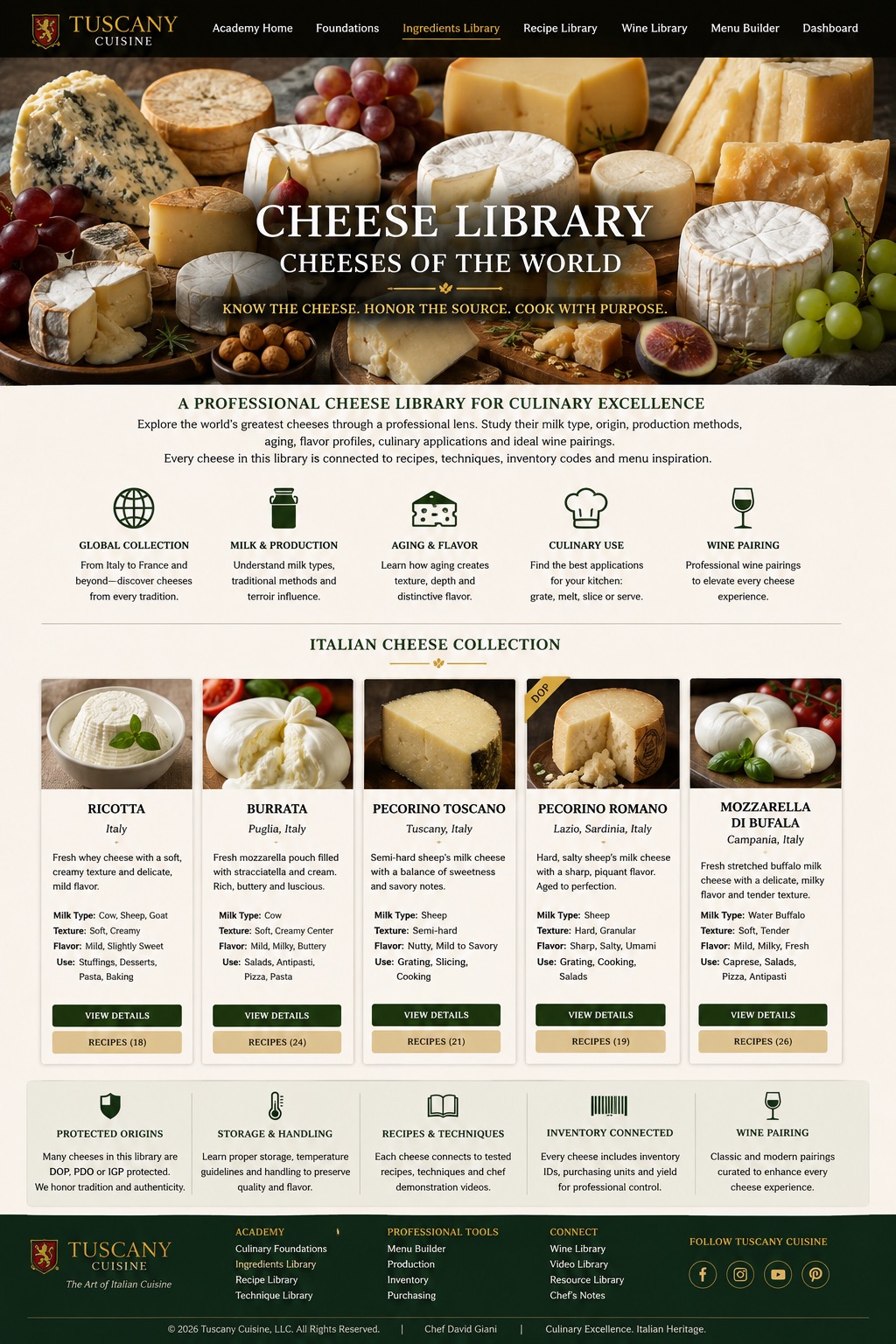
The foundations of Italian formaggi
Italian cheese reflects the animal and its feed, regional pasture, climate, milk treatment, acidification, cultures, rennet, stretching, draining, salting, rind care and aging. This directory connects those culinary differences to the recipes and operating systems where each cheese is actually used.
Cow, sheep, goat and water-buffalo milk create different fat, protein, aroma and yield profiles. Ricotta may also begin with whey left from another cheese.
Fresh cheeses are tender and perishable; pressed and aged cheeses become firmer, more concentrated and easier to portion for some applications.
Whey recooking, pasta-filata stretching, cream filling, pressing, blue-mould inoculation, piercing and affinage create distinctly different cheese families.
Fresh cheese favors crisp whites and rosato; firmer, saltier and older cheese can support more structured Sangiovese-based reds.
Blue cheese foundation · Erborinati
Blue cheeses are a family of cheeses in which selected blue molds develop inside the paste and create characteristic blue-green veining, aroma and flavor. The cheesemaker encourages this internal growth by creating openings in the cheese—commonly through piercing—so oxygen can reach the mold. Milk type, moisture, salting, curd treatment, rind care, temperature, humidity and maturation then determine whether the finished cheese is creamy and mild or firm, crumbly and intensely piquant.
Italy’s protected cow’s-milk blue from defined areas of Piedmont and Lombardy. Its two principal DOP styles are Dolce, creamy and mild, and Piccante, firmer, more developed and more assertive.
A distinct French protected blue made exclusively from raw whole sheep’s milk. It develops its famous blue-green marbling during ripening in the natural cellars of Roquefort-sur-Soulzon, where Penicillium roqueforti thrives.
Britain’s historic protected blue cheese, produced in Derbyshire, Nottinghamshire and Leicestershire. It is an unpressed blue-veined cow’s-milk cheese with creamy, savory depth and a tangy finish.
Bleu d’Auvergne, Fourme d’Ambert, Cabrales, Danish Blue and many artisan blues belong to the broader family, but each must keep its own milk, origin, production, aging and purchasing identity.
Blue-veined cheese traditions developed in several European regions where humidity, cool maturation conditions and local molds favored internal marbling. Gorgonzola’s own tradition is especially old: the Gorgonzola Consortium traces its roots to the ninth century, while traditional accounts place production in the town of Gorgonzola near Milan as early as 879. Other historical traditions connect its development to the natural caves of Valsassina. Over centuries the cheese spread through Lombardy and Piedmont and became one of Italy’s most internationally recognized blue cheeses. Gorgonzola received European protected designation recognition in 1996, preserving the relationship between the cheese, its production method and its defined territory.
| Cheese | Milk | Protected origin | Texture & flavor direction | Key distinction |
|---|---|---|---|---|
| Gorgonzola DOP | Pasteurized whole cow’s milk | Defined areas of Piedmont and Lombardy, Italy | Dolce: creamy, soft and mild. Piccante: firmer, more crumbly and more pronounced. | Italian blue with two principal DOP styles; selected molds and piercing create its marbling. |
| Roquefort AOP | Raw whole sheep’s milk | Roquefort-sur-Soulzon tradition, France | Moist, creamy, salty, aromatic and distinctly pronounced. | Sheep’s-milk identity and maturation in the natural Roquefort cellars are fundamental to the protected cheese. |
| Blue Stilton | Cow’s milk | Derbyshire, Nottinghamshire and Leicestershire, England | Open-textured and blue-veined, ranging from creamy and mellow to drier, stronger vintage styles. | Unpressed British blue; piercing after ripening begins allows the blue mold to develop through the paste. |
Cheese icon directory
Each record has a stable ingredient code, inventory identity, allergen profile, culinary profile, recipe links and wine matches. Grana Padano DOP is now a live record with its own icon, aging profile, wheel characteristics and Recipe 216 connection. Burrata, Fresh Mozzarella / Fior di Latte, Mozzarella di Bufala, Ricotta Salata, Pecorino Toscano, Pecorino Romano, Parmigiano Reggiano, Gorgonzola and Groviera have purpose-built ingredient icons. Goat Cheese now has its own library record, published icon and Recipe 365 connection. The Gorgonzola record also connects the Italian cheese library to a broader educational study of blue cheeses.
TC-DAIRY-RICOTTA-001TC-DAIRY-RICOTTA-SALATA-001TC-DAIRY-BURRATA-001TC-DAIRY-PECORINO-TOSCANOTC-DAIRY-PECORINO-ROMANOTC-DAIRY-PARMIGIANO-REGGIANOTC-DAIRY-GRANA-PADANO-001TC-DAIRY-GORGONZOLA-DOPTC-DAIRY-GROVIERA-001Master code pendingTC-DAIRY-MOZZ-FRESH-001TC-DAIRY-MOZZ-BUFALA-001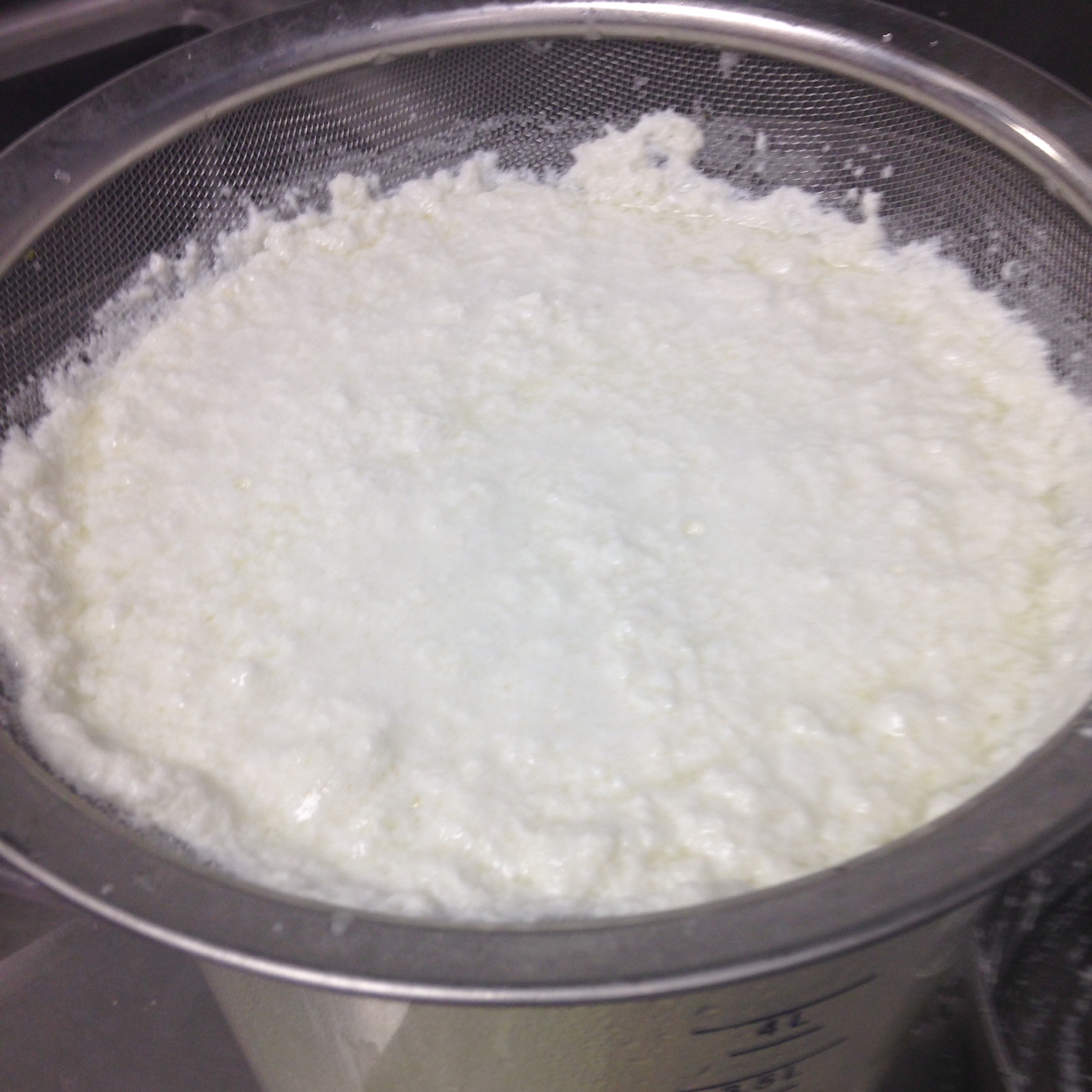
Fresh whey cheese
Lazio · Sicily · Sardinia · Central and southern Italian traditions
Ricotta means “recooked.” It is produced by heating whey so remaining proteins collect into delicate curds. The result is light, moist and versatile in both savory and sweet preparations.

New synchronized aged-ricotta icon
Pressed · Salted · Firmer ricotta style · Grating and shaving cheese
Ricotta Salata begins with the ricotta family but is deliberately pressed, salted and matured so the moist, spoonable character of fresh Ricotta becomes a firm, dry and sliceable cheese. It must remain a separate Tuscany Cuisine identity because its texture, salt level, yield, purchasing SKU and culinary function are very different from fresh Ricotta.
TC-DAIRY-RICOTTA-SALATA-001 · inventory ID ricotta_salata ·
icon /ricottasalt.jpeg?v=20260830-4 · page /Formaggi.htm#ricotta-salata ·
icon ID TC-ICON-DAIRY-RICOTTA-SALATA · allergen MILK.
TC-DAIRY-RICOTTA-001.
Ricotta Salata uses its own ingredient and inventory identity so Live Inventory,
purchasing, receiving, recipe costing and station production do not confuse the
two cheeses.

Filled fresh pasta-filata
Apulia · Andria · Murgia
Burrata encloses stracciatella and cream inside a mozzarella pouch. Its contrast between elastic exterior and flowing center makes freshness, temperature and gentle handling essential.
150. The same
TC-DAIRY-BURRATA-001 identity can now be reused by the recipe page,
Menu Builder, production, Live Inventory, purchasing and receiving.
TC-DAIRY-BURRATA-001 · inventory ID burrata ·
icon /burrata.png · page /Formaggi.htm#burrata.
First synchronized cheese icon
Tuscany · Sheep’s milk · Fresh to aged
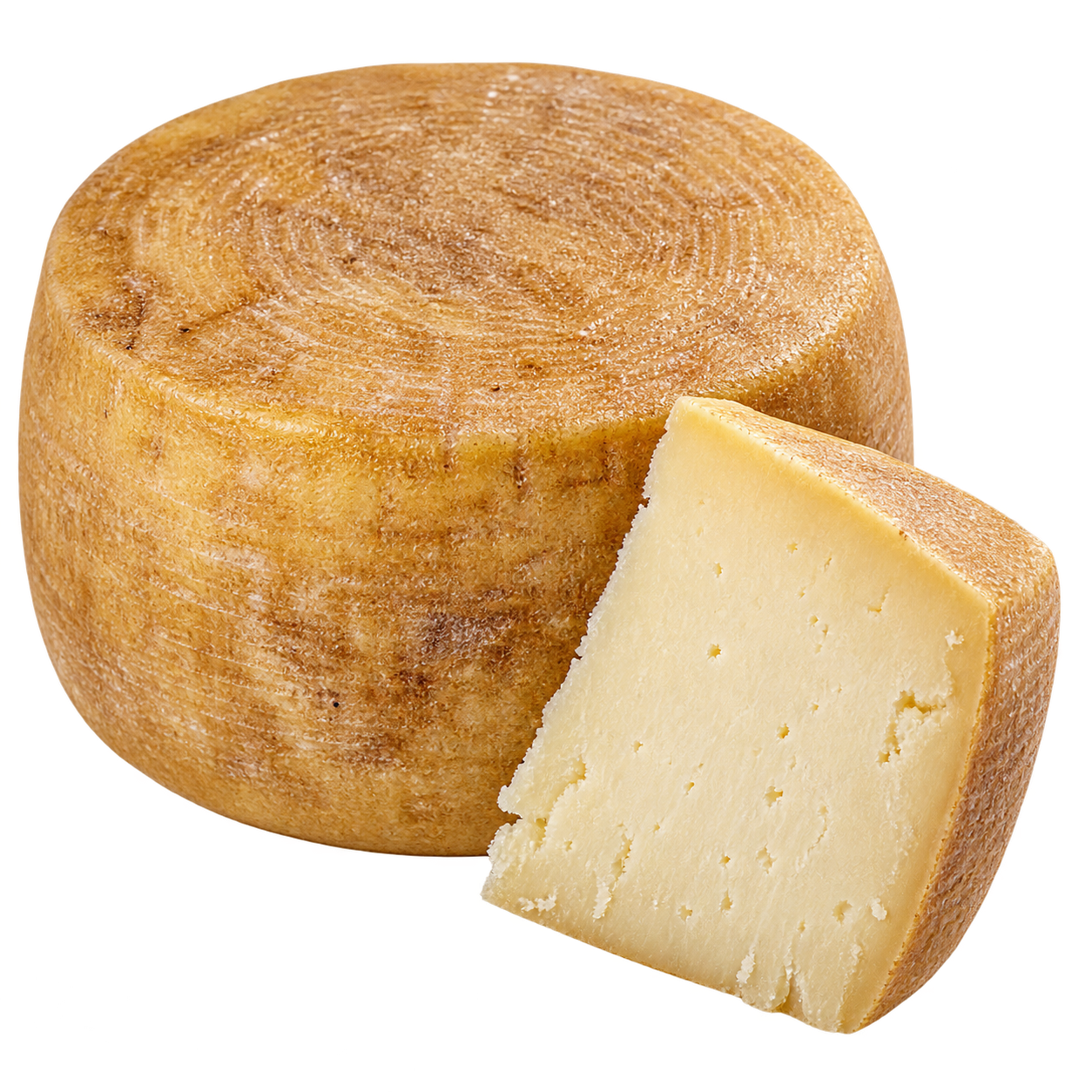
Pecorino Toscano expresses sheep’s milk through a gentler, sweeter profile when young and a firmer, more savory and persistent character with aging. Protected DOP cheese must follow its specification and production area; “pecorino” alone is a wider family name.
The official Pecorino Toscano consortium connects this cheese to a Tuscan dairy tradition extending from Etruscan history to the present. Young cheese suits spring vegetables and delicate whites; aging concentrates salt, aroma and structure.
TC-DAIRY-PECORINO-TOSCANO · inventory ID tuscan_pecorino · icon /pecorinotoscano.png · page /Formaggi.htm#pecorino-toscano.
New synchronized sheep’s-milk icon
Lazio · Sardinia · Grosseto · Sheep’s milk · Hard and salty
Pecorino Romano is one of Italy’s historic sheep’s-milk cheeses: firm, compact and intentionally salty, designed both for the table when younger and for grating when more mature. Despite the name “Romano,” a large share of modern production comes from Sardinia, while the protected area also includes Lazio and the province of Grosseto in Tuscany.
Ancient Roman food traditions helped make salted sheep’s-milk cheese a staple for keeping quality and transport. Today Pecorino Romano DOP follows its protected specification and may only be produced in Lazio, Sardinia and the province of Grosseto. The cheese is made from sheep’s milk, salted and aged until the paste becomes firm enough for slicing, shaving or grating.
Firm table cheese with a clean lactic sheep’s-milk aroma, moderate piquancy and a sliceable body for boards, beans or vegetable pairings.
Classic grating stage: saltier, drier and more aromatic, ideal for Roman pasta sauces and savory gratins.
More concentrated and persistent with sharper sheepy and peppery notes. Use in smaller quantities or shave over robust dishes.
TC-DAIRY-PECORINO-ROMANO · inventory ID pecorino_romano · icon /Romano.jpeg · page /Formaggi.htm#pecorino-romano.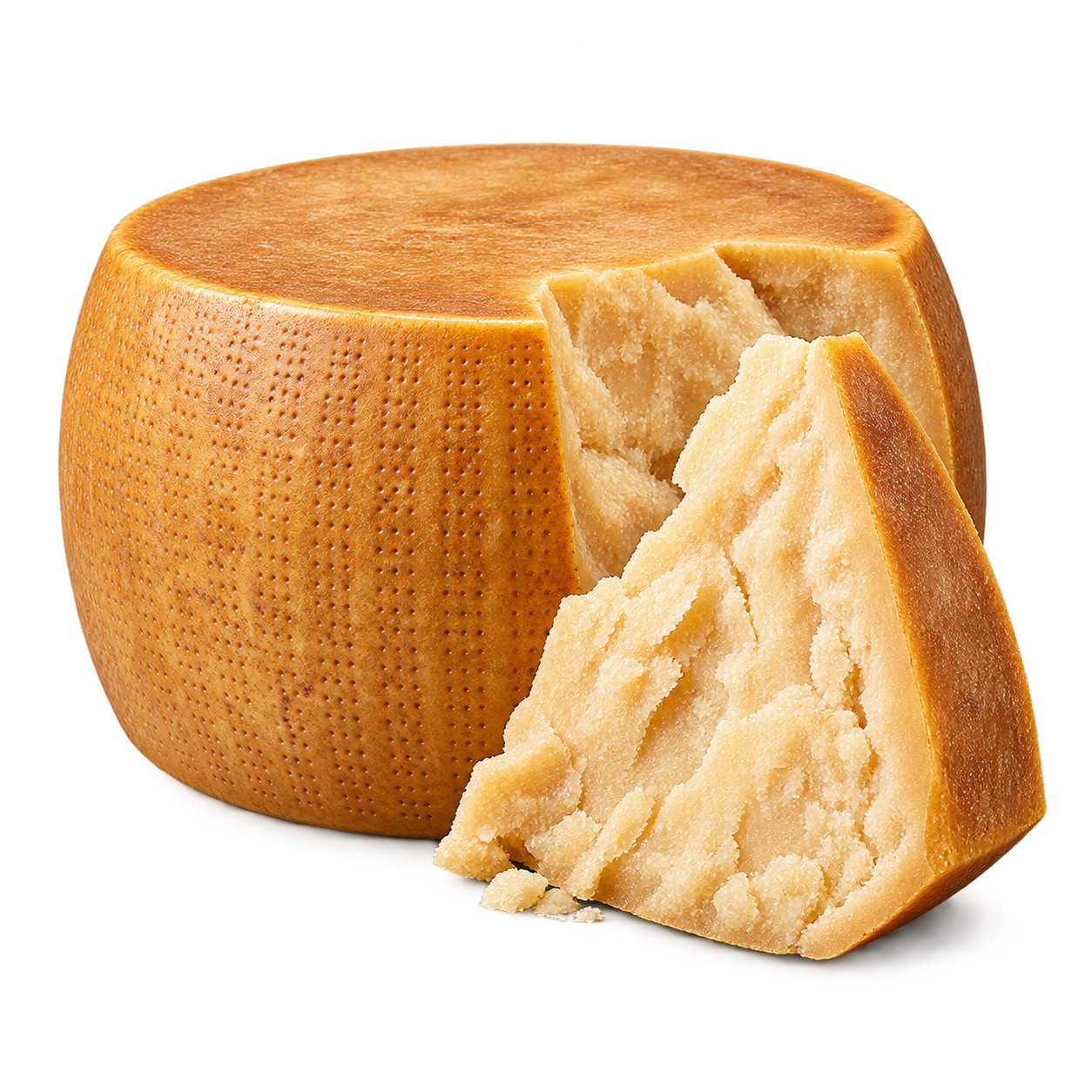
New synchronized cheese icon
Emilia-Romagna & Mantua · Raw cow’s milk · Minimum 12 months
Parmigiano Reggiano is a hard, granular DOP cheese made only in its legally defined Italian area from raw cow’s milk, salt and calf rennet. It has no permitted additives or preservatives. Time changes one cheese from delicate and lactic to crystalline, deeply savory and exceptionally persistent.
Every stage—from forage and cattle raising through cheesemaking, maturation, selection, grating and packaging—belongs to the protected system. Production is limited to Parma, Reggio Emilia, Modena, the part of Bologna west of the Reno River and the part of Mantua east of the Po River.
Delicate milk, yogurt and butter notes with fresh vegetal character. Slice for aperitivo, salads and light white wines.
Balanced sweet and salty flavor, melted butter and fruit notes; crumbly enough for shaving, grating and risotto.
More aromatic and granular, with dried fruit, broth and spice. Break into shards or grate over structured dishes.
Dry, intense and increasingly spicy, with visible crystals. Use smaller portions and more structured wine.
Very long-aged wheels develop toasted, mushroom, smoke and leather notes; 80+ months is a rare meditation cheese.
APP-ARTICHOKE-0151. This link lets Search, Recipe Library, Menu Builder, production, inventory and purchasing reuse the same ingredient identity.Parmigiano Reggiano DOP identifies one protected origin and specification. In the European Union, “Parmesan” is treated as an evocation of that protected name. Elsewhere, local law may use Parmesan more broadly: for example, the United States has a separate standard of identity for “Parmesan and reggiano cheese,” with a minimum curing period of 10 months and production provisions that are not the Parmigiano Reggiano DOP specification.
| Point | Parmigiano Reggiano DOP | Grana Padano DOP — live library identity |
|---|---|---|
| Protected area | Five-province area centered on Parma, Reggio Emilia and Modena, with defined parts of Bologna and Mantua. | A broader northern Italian area spanning 33 provinces in five regions. |
| Cow feed | Grass and hay; silage and fermented feed are prohibited. | Silage is permitted under its own specification. |
| Additives | Only milk, salt and rennet; no additives or preservatives. | Milk, salt and rennet; egg-white lysozyme may be used to control late blowing, though some production such as Trentingrana does not use it. |
| First designation | Inspection and fire brand after 12 months; no maximum aging. | Eligible for marking from 9 months; additional reserve designations identify longer aging. |
| Platform control | TC-DAIRY-PARMIGIANO-REGGIANO · milk allergen · live icon. | TC-DAIRY-GRANA-PADANO-001 · live icon /Grana.webp · milk allergen, plus egg when the purchased SKU contains lysozyme. |
TC-DAIRY-GRANA-PADANO-001, inventory ID grana_padano, icon /Grana.webp, and full cheese record at Grana Padano DOP.TC-DAIRY-PARMIGIANO-REGGIANO · inventory ID parmesan_cheese · icon /parmigianoreggiano.png · page /Formaggi.htm#parmigiano-reggiano.
New synchronized Grana Padano icon
Po Valley · Raw cow's milk · Hard granular cheese · Minimum 9 months
Grana Padano is one of Italy's great hard granular cheeses. It is produced from raw cow's milk that is partially skimmed by natural surface separation, then cooked, salted and slowly matured. Younger wheels are delicate and milky; longer aging develops a grainier, more friable structure with increasingly savory aromas of butter, hay, broth and dried fruit.
The history of Grana Padano reaches back to the Middle Ages. Around 1135, the Cistercian monks of Chiaravalle Abbey, south of Milan, were faced with a practical problem: agricultural development and livestock farming were producing more milk than the surrounding community could consume while fresh.
To preserve that milk, the monks developed a method based on cooking the milk, adding rennet, salting the resulting cheese and allowing it to mature for a long period. They referred to this durable cheese as caseus vetus, or “old cheese.”
Local people later called these hard cheeses formaggi di grana because their interior had a characteristic granular structure. The word grana therefore refers to the grain-like texture of the paste.
Delicate, soft and milky with a pale straw-colored paste. The granular structure is still developing. Excellent as a table cheese and highly versatile for everyday cooking, salads, carpaccio and gentle grating.
More developed grain, greater savory concentration and increasingly evident notes of butter, broth, hay and dried fruit. Excellent for pasta, risotto, soups, flans and gratins.
Firmer, more granular and more aromatic. Crystals become more evident, while the cheese develops greater friability and persistence.
Wheels qualifying as Riserva undergo another quality inspection. The paste becomes clearly grainy and flaky with pronounced crystal development and aromas recalling butter, hay and dried fruit.
Richer and more persistent while retaining the characteristic elegance of Grana Padano. Excellent broken into flakes, used as a finishing cheese or served with structured wines.
Grana Padano and Parmigiano Reggiano belong to the same historic family of Italian hard granular cheeses, but they are different protected cheeses. Their protected territories, cattle-feeding rules, production regulations, minimum aging and purchasing identities are not identical. Tuscany Cuisine therefore keeps them as separate Master Ingredient Registry records.
| Point | Grana Padano DOP | Parmigiano Reggiano DOP |
|---|---|---|
| Historical origin | Tradition traced to Chiaravalle Abbey near Milan around 1135. | Developed within the historic Emilia dairy tradition of Parma, Reggio Emilia and surrounding protected areas. |
| Milk | Raw cow's milk, partially skimmed by natural surface separation. | Raw cow's milk using the Parmigiano Reggiano protected production system. |
| Production territory | Broad protected Po Valley production area across northern Italy. | Parma, Reggio Emilia, Modena and specifically defined portions of Bologna and Mantua. |
| Cow feeding | Fresh forage, hay and permitted preserved feeds; silage can be used under the Grana Padano specification. | Grass and hay feeding system; silage and fermented feeds are prohibited. |
| Lysozyme | Hen-egg lysozyme may be used to control unwanted fermentation. Not every Grana Padano product contains it, so supplier specification must be checked. | Parmigiano Reggiano is produced from milk, salt and calf rennet without lysozyme. |
| Minimum maturation | PDO qualification begins after at least 9 months and successful inspection. | Wheel inspection and protected branding occur from approximately 12 months. |
| Long-aging designation | Riserva designation requires more than 20 months plus an additional quality inspection. | Can continue aging well beyond 24, 36, 48 months and longer without a fixed maximum maturation. |
| General flavor direction | Delicate and milky when young, becoming buttery, nutty, granular and increasingly savory with age. | Often develops deeper fruit, broth, toasted, crystalline and highly concentrated umami notes with extended aging. |
| Tuscany Cuisine identity | TC-DAIRY-GRANA-PADANO-001 | TC-DAIRY-PARMIGIANO-REGGIANO |
TC-DAIRY-GRANA-PADANO-001 · inventory ID grana_padano · icon /Grana.webp · icon ID TC-ICON-DAIRY-GRANA-PADANO · page /Formaggi.htm#grana-padano · primary allergen MILK.
New synchronized blue-cheese icon
Piedmont & Lombardy · Cow’s milk · Dolce & Piccante
Gorgonzola is Italy’s historic blue-veined cow’s-milk cheese. Its pale paste is crossed by blue-green to grey-blue marbling created by selected molds and the controlled entry of air during maturation. The two principal styles are Gorgonzola Dolce, creamy and gently tangy, and Gorgonzola Piccante, firmer, more friable and more intense.
The Gorgonzola Consortium traces the cheese’s roots to the ninth century. Traditional accounts place production in the town of Gorgonzola near Milan as early as 879, while another historic tradition points to Pasturo in Valsassina, where naturally cool caves favored cheese maturation. Over time production spread through Lombardy and Piedmont. Gorgonzola entered the European list of protected-designation products in 1996.
Minimum 50 and maximum 150 days of maturation. The paste remains softer and creamier, with a mild blue character and a gently spicy finish. Ideal for sauces, risotto, crostini, pears, walnuts and delicate cheese-board service.
Minimum 80 and maximum 270 days of maturation. The paste becomes firmer, more friable and more strongly marbled, with greater aromatic intensity and a pronounced piquant finish.
| Point | Gorgonzola DOP | Roquefort AOP | Blue Stilton |
|---|---|---|---|
| Milk | Pasteurized whole cow’s milk. | Raw whole sheep’s milk. | Cow’s milk. |
| Origin | Defined areas of Piedmont and Lombardy, Italy. | French sheep-milk tradition tied to Roquefort-sur-Soulzon and its natural ripening cellars. | Protected production in Derbyshire, Nottinghamshire and Leicestershire, England. |
| Blue development | Selected molds are introduced during cheesemaking; piercing lets oxygen enter and develop marbling. | Penicillium roqueforti develops in the cheese during natural cellar ripening. | Penicillium roqueforti is added during curd formation; the cheese is later pierced so blue veins can develop. |
| Texture direction | Dolce is creamy and soft; Piccante is firmer and more crumbly. | Moist, creamy and pronounced with sheep-milk richness. | Open-textured, creamy and tangy; mature and vintage styles become stronger and drier. |
| Registry rule | TC-DAIRY-GORGONZOLA-DOP |
Future separate identity if added to Tuscany Cuisine. | Future separate identity if added to Tuscany Cuisine. |
TC-DAIRY-GORGONZOLA-DOP.TC-DAIRY-GORGONZOLA-DOP · inventory ID gorgonzola ·
icon /gorgonzola.png · page /Formaggi.htm#gorgonzola ·
allergen MILK.

New synchronized alpine-style cheese icon
Cow’s milk · Semi-hard · Nutty · Excellent melting quality
Groviera is used in the Tuscany Cuisine ingredient system as a semi-hard alpine-style cheese with a smooth, savory and nutty profile. Its reliable melting character makes it especially useful for crostini, fettunta, mushroom preparations, gratins, fillings and other hot appetizers.

TC-DAIRY-GROVIERA-001 · inventory ID groviera_gruyere_cheese ·
icon /grovecheese.jpeg · hero /groviera.jpeg ·
page /Formaggi.htm#groviera · allergen MILK.

New connected fresh-cheese record
Goat's milk · Fresh soft cheese · Tangy and creamy
Goat cheese is a broad family rather than one protected cheese. For Tuscany Cuisine, this record represents the fresh soft goat cheese used in salads and warm vegetable preparations. The exact producer, style, moisture, aging and origin should remain attached to the purchased SKU when those details affect cost, flavor or service.
goat_cheese inventory identity now connects this library record to
the Salad Station, Menu Builder, Live Inventory, purchasing and receiving.
goat_cheese · icon /goat%23cheese.webp · page /Formaggi.htm#goat-cheese ·
allergen MILK · permanent Master Ingredient Registry code
pending assignment.
goat_cheese inventory identity remains authoritative. The dedicated icon is now published, while the permanent master code is still intentionally pending assignment.

New synchronized fresh-cheese icon
Cow’s milk · Fresh pasta-filata · High moisture
Fresh mozzarella made from cow’s milk is a delicate stretched-curd cheese with a smooth outer skin, moist layered interior and clean dairy flavor. In Italian culinary language, cow’s-milk fresh mozzarella is commonly identified as Fior di Latte, helping the Tuscany Cuisine system keep it separate from Mozzarella di Bufala.
169,
recipe code APP-BURRATA-MOLECULAR-0169.
This establishes the same Fresh Mozzarella identity for the recipe page,
ingredient icon synchronization, Menu Builder, Live Inventory,
purchasing, receiving and station production.
TC-DAIRY-MOZZ-FRESH-001 · inventory ID fresh_mozzarella ·
icon /mozzarella.png · page /Formaggi.htm#fresh-mozzarella ·
allergen MILK.
TC-DAIRY-MOZZ-BUFALA-001.

New synchronized buffalo-milk cheese icon
Campania & central-southern Italian tradition · Water-buffalo milk · Fresh pasta-filata
Mozzarella di Bufala is a fresh stretched-curd cheese made from water-buffalo milk.
Its glossy porcelain-white surface, supple skin, moist layered interior and rich lactic
flavor distinguish it from cow's-milk Fior di Latte. The new bufaloM.png
graphic gives this cheese its own visual identity across the Tuscany Cuisine Ingredient
Library, recipes, Live Inventory, purchasing and future menu-costing systems.
The history of buffalo mozzarella is tied to the arrival and expansion of water buffalo in southern Italy. The Consorzio di Tutela Mozzarella di Bufala Campana DOP notes that one of the leading historical hypotheses places the spread of buffalo in southern Italy in the Norman period, after animals had reached Sicily. By the twelfth century, documents connected with the monastery of San Lorenzo in Capua describe a cheese called mozza or provatura offered to pilgrims with bread.
Certified Mozzarella di Bufala Campana DOP is made only from fresh whole milk of Italian Mediterranean buffalo raised in the protected area and must follow the DOP production specification. The protected territory includes defined areas of Campania, Lazio, the province of Foggia in Puglia and Venafro in Molise.
The official protection consortium publishes the following average nutritional values per 100 g. Individual brands and non-DOP buffalo mozzarella can vary, so operational nutrition and recipe costing should always use the supplier label for the exact purchased product.
| Nutrient | Average per 100 g | Kitchen note |
|---|---|---|
| Energy | 288 kcal | Fresh high-moisture cheese with concentrated buffalo-milk richness. |
| Protein | 17 g | High-quality dairy protein. |
| Carbohydrates | 0.4 g | Naturally very low carbohydrate content. |
| Fat | 24 g | Major contributor to the cheese's creamy mouthfeel and flavor. |
| Calcium | 245 mg | Important mineral naturally present in dairy. |
| Phosphorus | 320 mg | Works with calcium as part of the cheese's mineral profile. |
| Cholesterol | < 50–60 mg | Consortium reference range. |
| Lactose | < 0.4 g | Official published average; tolerance is individual and milk allergy remains a separate safety issue. |
bufaloM.png ingredient identity.TC-DAIRY-MOZZ-BUFALA-001 · inventory ID mozzarella_di_bufala ·
icon /bufaloM.png · icon ID TC-ICON-DAIRY-MOZZ-BUFALA ·
page /Formaggi.htm#mozzarella-di-bufala · allergen MILK.
Interactive cheese and wine matcher
Choose the exact cheese condition or preparation. The matcher returns a starting wine, the reason it works and a service note. Final pairing should always consider the complete dish—not the cheese alone.
Suggested starting point
Crisp acidity and an almond-mineral edge refresh young sheep’s-milk cheese without overwhelming its delicate sweetness.
Serve the cheese cool rather than refrigerator-cold, with unsalted bread, fresh fava beans or a restrained drizzle of olive oil.
| Cheese style | Wine direction | Pairing principle |
|---|---|---|
| Fresh ricotta, Burrata, young Pecorino | Vernaccia, Vermentino, dry rosato | High acidity and restrained body keep wet, delicate dairy flavors clear. |
| Ricotta Salata | Vermentino, Etna Bianco | Bright acidity and mineral freshness balance the firmer, saltier pressed ricotta style. |
| Fresh Mozzarella / Fior di Latte | Vermentino, Falanghina, dry rosato | Fresh acidity and restrained body balance high moisture and clean cow’s-milk flavor without overwhelming the cheese. |
| Semi-aged Pecorino Toscano | Chianti Classico, Rosso di Montepulciano | Salt and sheep’s-milk richness meet Sangiovese acidity and moderate tannin. |
| Aged Pecorino | Vino Nobile, Brunello, older Chianti | Concentrated cheese has enough flavor and texture for a structured red. |
| Parmigiano Reggiano, 12–19 months | Vernaccia or Franciacorta Brut | Acidity and restrained body preserve the cheese’s delicate lactic and vegetal notes. |
| Parmigiano Reggiano, 20–26 months | Chianti Classico or dry Lambrusco | Sangiovese freshness or regional bubbles balance salt, butter and granular texture. |
| Parmigiano Reggiano, 35+ months | Brunello; Vin Santo with sweet accompaniments | Greater intensity supports structured wine; dessert wine belongs only when honey or fruit adds sweetness. |
| Grana Padano · 9–14 months | Fresh Italian whites or traditional-method sparkling wine | Fresh acidity preserves the younger cheese's delicate milk and cream character. |
| Grana Padano · 16–18 months | Chianti Classico or another medium-bodied Italian red | Greater grain, butter, broth and dried-fruit character can support more savory red-wine structure. |
| Grana Padano Riserva · 20+ months | Vino Nobile, mature Sangiovese or structured sparkling wine | Long aging develops greater friability, crystal structure and persistence, allowing a more structured pairing. |
| Gorgonzola DOP Dolce | Passito, Moscato passito or Marsala | Sweetness and aromatic richness balance the creamy blue character; dried-fruit and spice notes echo the cheese’s mature aromas. |
| Gorgonzola DOP Piccante | Chianti Classico Riserva, Barolo, Barbaresco or Amarone | A mature, structured red can stand up to the firmer texture, stronger blue veining and pronounced piquancy. |
| Fresh Goat Cheese | Verdicchio, Vermentino or Sauvignon Blanc | High acidity and herbal-mineral freshness balance tangy fresh goat cheese and work especially well with roasted vegetables and bitter greens. |
| Groviera, especially with porcini | Chianti Classico, Vernaccia or Vermentino | Sangiovese works with earthy mushroom preparations; crisp Tuscan whites refresh melted cheese in lighter service. |
| Fried mozzarella | Prosecco Brut | Bubbles and acidity refresh breading, frying oil and melted cheese. |
| Sweet ricotta preparation | Moscato d’Asti or Vin Santo | The wine must be at least as sweet as the dessert while preserving freshness. |
Professional handling and allergen control
Verify temperature, packaging integrity, lot code, use-by date, producer, milk species, pasteurization statement when applicable, protected designation and allergen label.
Follow the producer and local food code. Keep fresh cheeses refrigerated and protected; preserve Mozzarella di Bufala in its liquid; wrap aged Pecorino and Parmigiano Reggiano to protect the cut face without trapping excess moisture.
Use clean and sanitized boards, knives, slicers, containers and gloves. A cheese-free dish is not safe for a milk-allergic guest when shared equipment or garnish creates cross-contact.
Tuscany Cuisine platform connection
The directory is structured so each cheese can become a reusable ingredient record. Grana Padano now demonstrates how a newly published ingredient icon can become a full DOP cheese record with Recipe 216 usage, aging intelligence, allergen controls and purchasing identity. Goat Cheese now demonstrates how an existing recipe inventory identity can receive a library card, a published icon and a Recipe 365 connection before a permanent master code is assigned. Ricotta and Ricotta Salata now demonstrate how closely related dairy products remain separate identities when moisture, salinity, texture, purchasing SKU and recipe function differ. The Groviera identity connects its dedicated grovecheese.jpeg icon and groviera.jpeg feature image to Recipe 175, live inventory and future purchasing. The Fresh Mozzarella / Fior di Latte identity demonstrates how a recipe ingredient can move from icon to cheese record, inventory and production while staying separate from Mozzarella di Bufala. The Mozzarella di Bufala identity now adds its dedicated bufaloM.png icon, DOP history reference, nutrition reference and connected salad usage while preserving its own buffalo-milk inventory identity. The Gorgonzola DOP identity also demonstrates how a parent ingredient can preserve distinct Dolce and Piccante purchased-SKU profiles without confusing them with separate protected blue cheeses such as Roquefort or Blue Stilton. The same code, icon, name, milk source, allergen, storage rule, recipe usage and wine pairing can flow into recipe pages, search, Menu Builder, production, inventory, purchasing, receiving and station workflows.
Visitors open a cheese icon to learn its origin, production family, flavor, aging, service and wine logic.
Connected recipes show the cheese in real culinary applications, with quantities, techniques, nutrition and allergen records.
Stable ingredient codes support menu planning, purchasing quantities, receiving checks, storage, costing and station execution.
Sources and further reading
Pairings are professional starting points. Producer style, cheese age, condiments, cooking method and the complete dish can change the best wine. Food-safety and allergen information is educational and must be applied with supplier specifications and local regulations.