


Recipe Overview
Pappardelle with wild boar ragout is a rustic Tuscan signature built around broad fresh pasta ribbons and a slow-braised cinghiale sauce. In this version the hot pappardelle is finished with white truffle oil, Parmigiano Reggiano and cracked black pepper before the prepared wild boar ragout is spooned over the top. The source yields 6 servings with 30 minutes preparation and 15 minutes cooking.
Chef Notes
Keep the pappardelle broad and supple, warm the ragout gently so it stays glossy, and use the truffle oil with restraint. The game sauce should remain the dominant flavor, with Parmigiano and black pepper supporting the finish.
Connected Experience
Serving changes scale the quantified ingredient requirements and final execution labor. Fresh pappardelle and wild boar ragout are treated as prepared components so their upstream batch food cost and labor can be inherited instead of counted twice.
Ingredients
-
 Fresh Pappardelle Pasta Dough - 900 g - prepared component; roll and cut into broad ribbonsfresh_pappardelle
-
 Wild Boar Ragout - 1900 ml - prepared wild boar ragout; keep warm for servicewild_boar_ragout
-
 White Truffle Oil - 240 ml - source quantity preserved; automatic cost/deduction held because the canonical inventory identity is gram-basedwhite_truffle_olive_oil
-
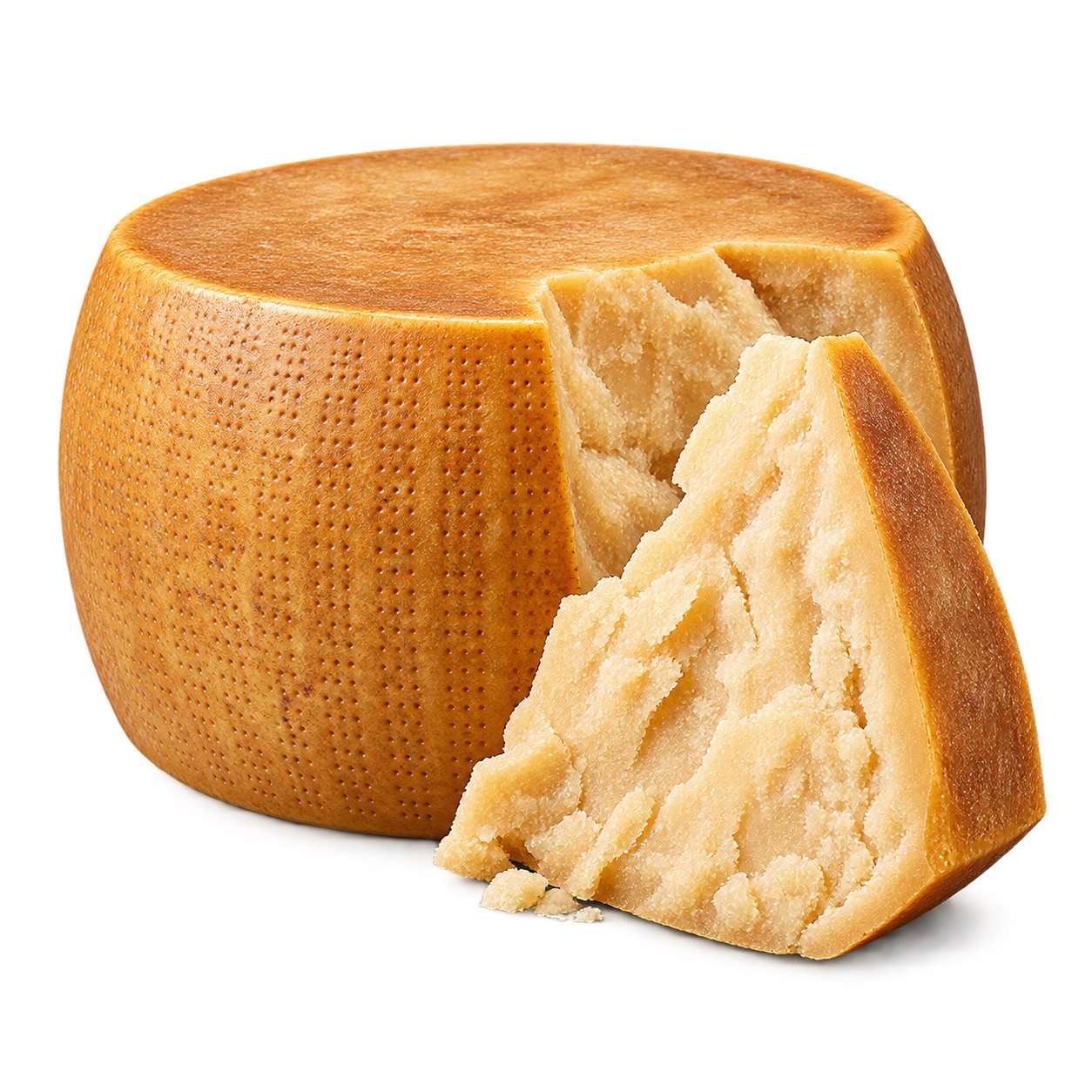 Parmigiano Reggiano - 90 g - freshly gratedTC-DAIRY-PARMIGIANO-001
-
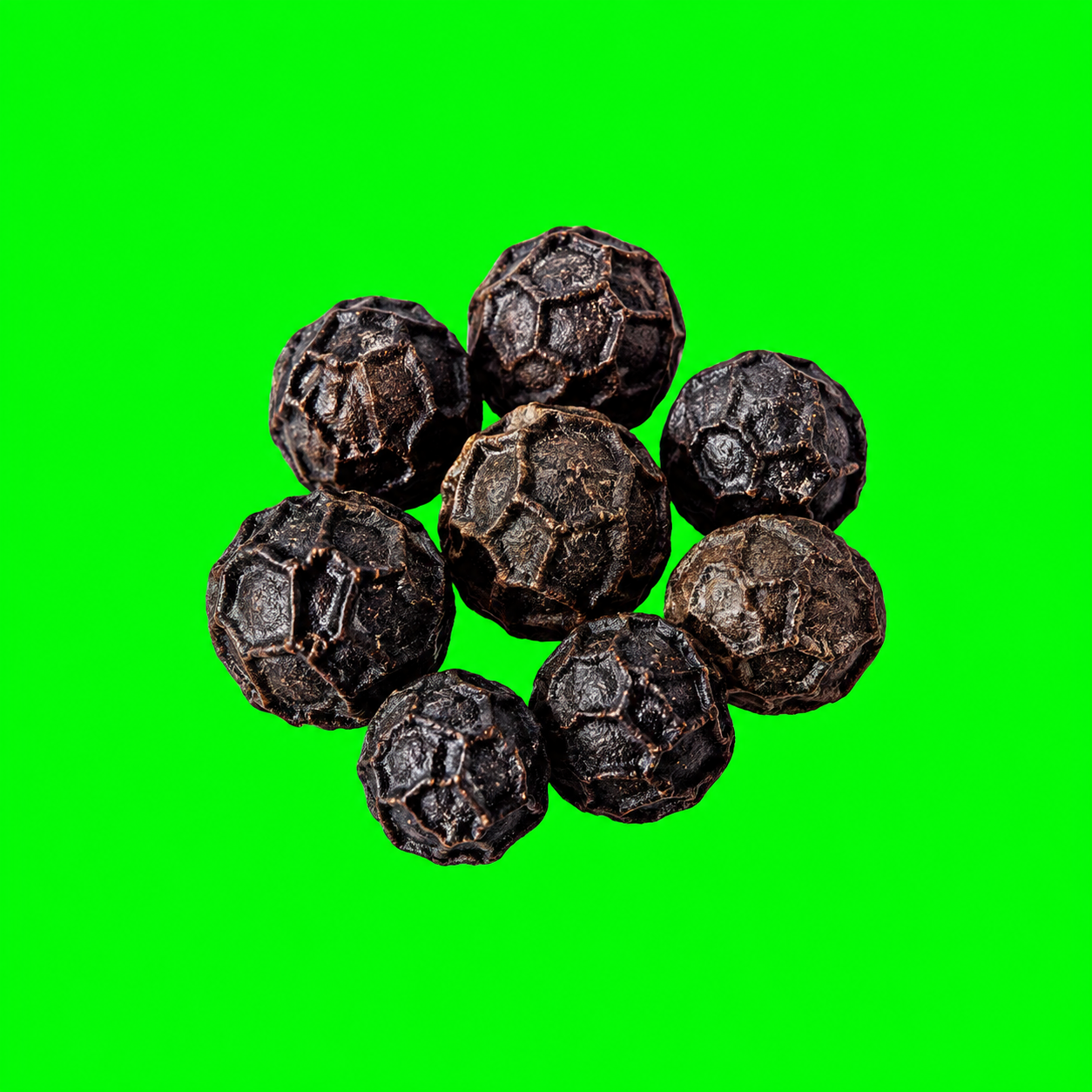 Fresh Cracked Black Pepper - to taste - fresh cracked; no quantity inventedSPICE-PEPPERCORN-BLACK
Preparation
- Prepare the fresh pasta dough for pappardelle, then roll it out and cut into wide ribbons. Dust lightly with flour and hold on trays until ready to cook.
- Prepare the wild boar ragout in advance and keep it warm over low heat so it stays rich and glossy.
- Bring a large pot of salted water to a boil. Cook the pappardelle until al dente, then drain, reserving a little of the pasta cooking water.
- Transfer the hot pasta to a large warm bowl. Toss with the white truffle oil, grated Parmigiano Reggiano, and black pepper. Add a splash of pasta water if needed to create a silky coating around the ribbons.
- Plate the pasta in warm bowls and spoon the hot wild boar ragout over each portion.
- Finish with extra Parmigiano Reggiano and a final twist of black pepper. Serve immediately.
Service Suggestions
- Cook the pappardelle as close to service as practical so the broad ribbons stay supple and do not dry out.
- Keep the wild boar ragout hot and glossy; loosen only with its own sauce or a controlled amount of pasta water if needed.
- Use the white truffle oil with restraint during finishing so it lifts the game aroma rather than covering the ragout.
- Serve in warm bowls and finish the Parmigiano and black pepper immediately before the plate leaves the station.
Dietary / HACCP Notes
- Prepared components: fresh pappardelle and wild boar ragout are upstream production items; hold, reheat and serve them under the kitchen's validated time-and-temperature procedures.
- Wheat / gluten: the connected fresh pasta component contains wheat and gluten.
- Dairy: Parmigiano Reggiano is present.
- Egg: may be present according to the connected fresh pasta dough formula.
- Game meat: the ragout contains wild boar; follow the ragout component's own production and HACCP controls.
- Costing control: the source specifies 240 ml white truffle oil, while the active canonical inventory identity is gram-based. No density conversion is invented, so automatic cost and deduction remain held for that line until a verified conversion or ml purchase record is available.
- Black pepper: source quantity is to taste, so no automatic cost or deduction is invented.
| Calories | 620 |
| Protein | 34 g |
| Carbohydrates | 55 g |
| Fat | 28 g |
| Fiber | 3 g |
| Cholesterol | not provided |
| Sodium | 620 mg |