
Chef David Giani's Base Formula
This formula is designed for professional tart, quiche and savory pastry production. The technique depends as much on temperature and order of incorporation as it does on the ingredient ratio.
Formula ratio: 100% flour · 50% butter · approximately 24% water · 1% salt.
Live Ingredient Connections
-
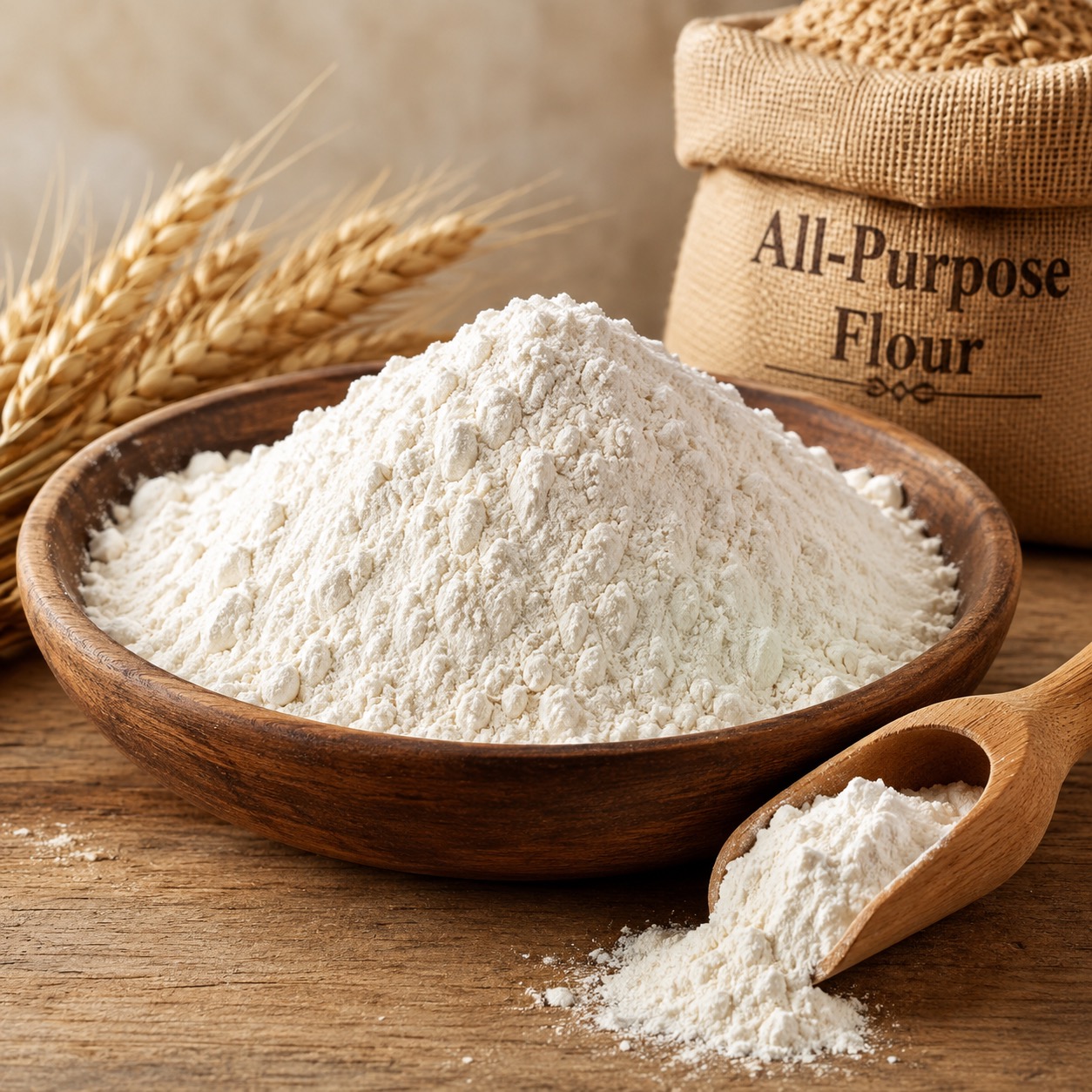 All-Purpose Flourall_purpose_flour
1000 g
-
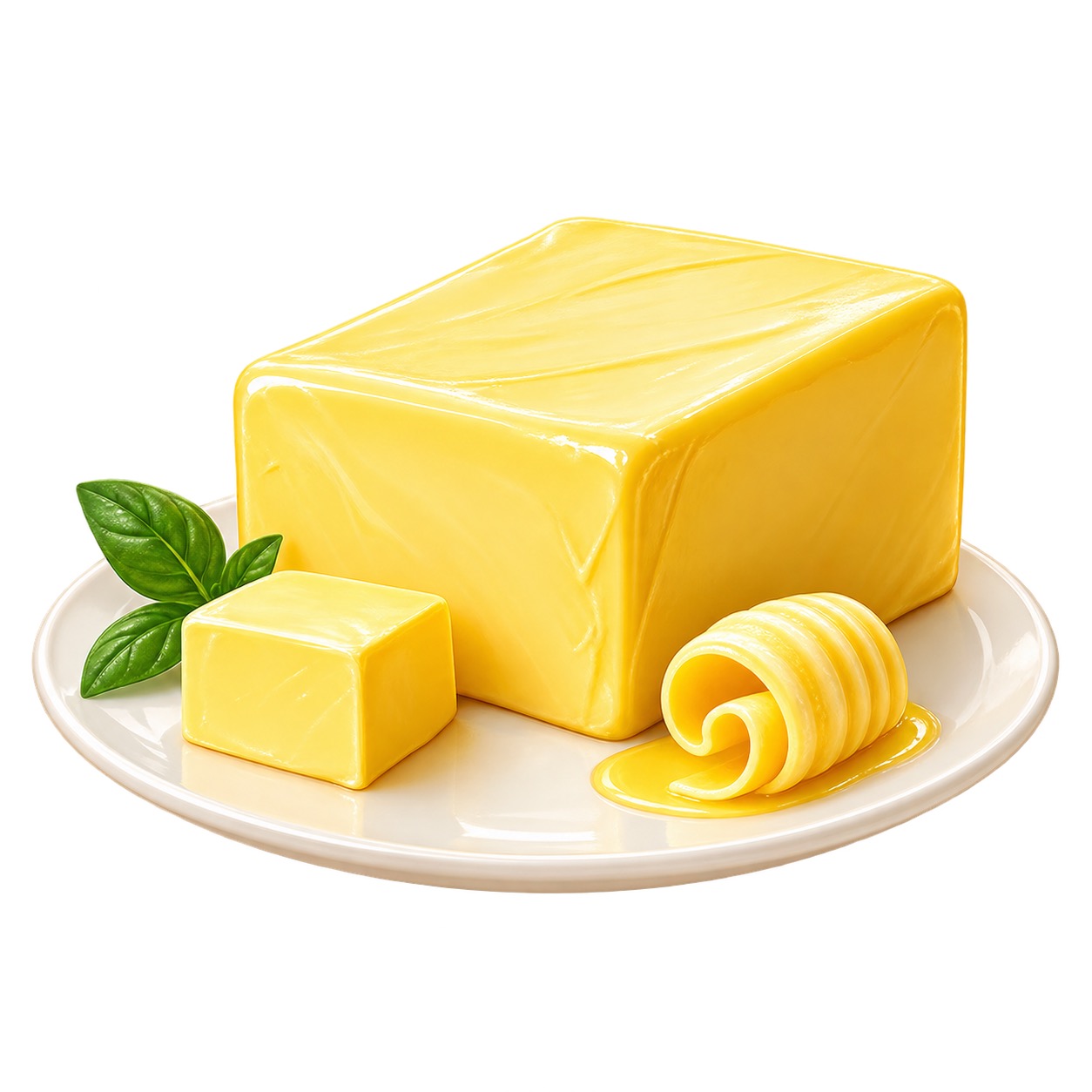 Unsalted Butterbutter · recipe form: unsalted
500 g
-
 Waterwater
240 g
-
 Saltsalt
10 g
Baker's Ratio
| Ingredient | Base Weight | Baker's % |
|---|---|---|
| All-Purpose Flour | 1,000 g | 100% |
| Unsalted Butter | 500 g | 50% |
| Water | ~240 g | ~24% |
| Salt | 10 g | 1% |
Professional Mixing Method
- Bring the butter to plasticity. The butter should be at a regular workable room-temperature consistency: pliable and able to bend under pressure, but neither soft and greasy nor refrigerator-hard. This plastic stage allows it to incorporate evenly into the flour while keeping the dough controlled.
- Combine the flour and salt. Distribute the salt evenly through the all-purpose flour before the fat is incorporated.
- Incorporate the butter. Work the plastic butter into the flour and salt. Keep the mixture controlled and avoid warming the butter excessively. The goal is even incorporation without turning the fat oily.
- Add the water last. Add the water only after the butter, flour and salt are combined. The final hydration gives the dough enough elasticity to stretch and roll more cleanly. Mix only until the dough comes together; unnecessary mixing develops excess gluten and can make the crust tough.
- Wrap and rest under refrigeration. Refrigerate the dough overnight for the best result. When production time is limited, rest it for a minimum of 1 hour. This hydrates the flour, relaxes the gluten and firms the butter.
- Return the dough to working plasticity before rolling. After refrigeration the dough will be too firm to roll properly. Bring it back toward a workable room-temperature condition before rolling or laminating. It should bend and stretch without cracking, but it must not become warm, soft or greasy.
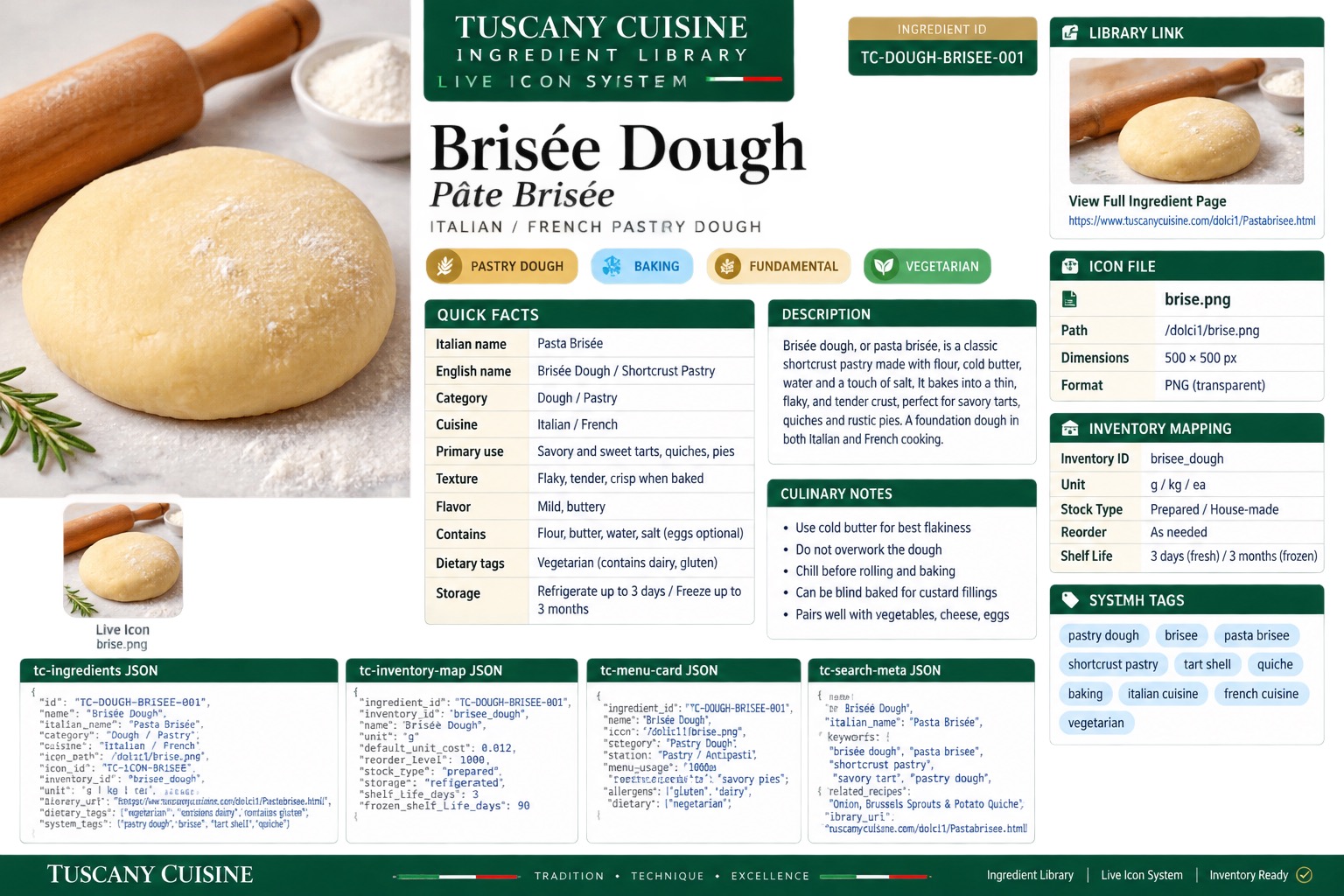
Culinary Applications
Ideal for savory egg-custard preparations where a stable, crisp shell is required.
Works with vegetables, cheeses, mushrooms, seafood and composed appetizer fillings.
Can be baked with weights, sealed and filled later when a crisp pastry barrier is important.
Suitable for individual appetizer shells and controlled banquet production.
Can be rolled for rustic free-form preparations when a tender but workable dough is desired.
The finished dough can be produced as a weighed inventory item and allocated to recipes by grams.
Resting & Storage
Preferred rest: overnight under refrigeration. Minimum rest: 1 hour. Keep the dough tightly wrapped to prevent surface drying and refrigerator odors. Before rolling, condition only until pliable. Once the butter begins to feel greasy, return the dough briefly to refrigeration before continuing.