Veal, Beef, Chicken and Lamb Demi-Glace. Professional demi-glace with roasted bones, slow extraction, glossy reduction, collagen development, Bordelaise and Green Peppercorn variations, batch calculator, and pressure-cooker option.
Italian and classical sauce technique. Sauces. Demi-Glace. Saucier foundation.
Ingredients include veal bones, beef bones, chicken bones, chicken feet, lamb bones, wine, mirepoix, tomato paste and herbs.
Chicken demi-glace uses roasted chicken bones and chicken feet for additional collagen and natural gelatinization after chilling. Lamb demi-glace uses roasted lamb bones and connective tissue, producing a more aromatic and slightly sweeter pastoral profile with a gelatin structure that can feel different from veal, beef or chicken.
Techniques include bone roasting, chicken-foot collagen extraction, lamb-bone extraction, stock reduction, slow extraction, cold gelatinization test and demi-glace preparation.
Nutrition tags: rich sauce, high collagen, classic French technique, umami rich.
Dietary tags: gluten free, high protein, classic cuisine, meat based.
Wine pairings: Cabernet Sauvignon, Brunello di Montalcino, Chianti Classico Riserva, Super Tuscan.
Protein: veal, beef, chicken and lamb. Cut: bones. Station: Saucier.
Related terms: glace de viande, veal stock, lamb stock, brown sauce, Bordelaise sauce, peppercorn sauce, classic demi-glace. Production economics: make versus buy, labor cost, prepared component costing, event batch scaling, supplier comparison, Global Market, Live Inventory, storage and purchasing decision. Protein bone selector compares veal, beef, lamb, chicken, rabbit, wild boar and blue hare for flavor, gelatin, color and culinary use.
Demi-Glace Video Lesson
🌐 Translate
Sauces · Prep Kitchen · Saucier
Demi-Glace Production & Sauce Foundations
Classical sauce technique connected to scalable production, ingredient knowledge, labor, costing, inventory, purchasing, and market intelligence.
Tuscany Cuisine Video Watch Page · Culinary Foundations
Demi-Glace — From Bones to Culinary Gold
Watch Chef David Giani’s Demi-Glace trailer first. The lesson follows the professional transformation of roasted bones and aromatics into a glossy sauce foundation through extraction, skimming, straining, reduction, rapid cooling, storage and classical derivative sauces.
What This Video Teaches
The trailer introduces the complete demi-glace production chain: bone selection and roasting, mirepoix and aromatics, deglazing, slow collagen extraction, skimming, fine straining, controlled reduction to nappé consistency, safe cooling and the use of demi-glace as the base for sauces such as Bordelaise and green peppercorn.
Primary page purpose: Watch the Demi-Glace trailer
Introduction
A proper demi-glace is clarity, depth, sheen and natural body: roasted bones, slow extraction, careful skimming and patient reduction.
Veal and beef create darker, deeper roasted flavors; chicken demi-glace uses the same professional method with chicken bones and chicken feet for a lighter color, cleaner poultry flavor and a naturally collagen-rich finish; lamb demi-glace follows the same extraction and reduction process but develops a more aromatic pastoral identity with a different gelatin feel depending on the bones and connective tissue used.
Use the controls below to scale batches, choose stovetop vs pressure, and tune style.
Active ~30 min · Total 8–12 h stovetop (or ~2 h pressure + reduction) · Base yield ~8 cups
This page is now a prepared-component production resource. Scale the batch, evaluate labor, compare scratch production with purchased tubs, review Live Inventory and current Global Market observations, then decide what is appropriate for the menu, event date, storage capacity and quality target.
Checking Global Market coverage for demi-glace and production ingredients…
Protein Demi-Glace · Collagen Technique
Four Core Demi-Glace Types for the Professional Kitchen
Veal, beef, chicken and lamb demi-glace use the same professional foundation—roast, deglaze, extract, strain and reduce—but each protein produces a different flavor profile, color, gelatin structure and culinary application. These four are among the most useful commercial-kitchen references for building classical and contemporary sauces.
Veal Demi-Glace
The classical reference: refined roasted flavor, polished color and broad versatility for restaurant sauce work.
Classical Foundation
Beef Demi-Glace
Deeper, darker and more robust, suited to steaks, braises, game, red-wine reductions and assertive meat sauces.
Deep & Robust
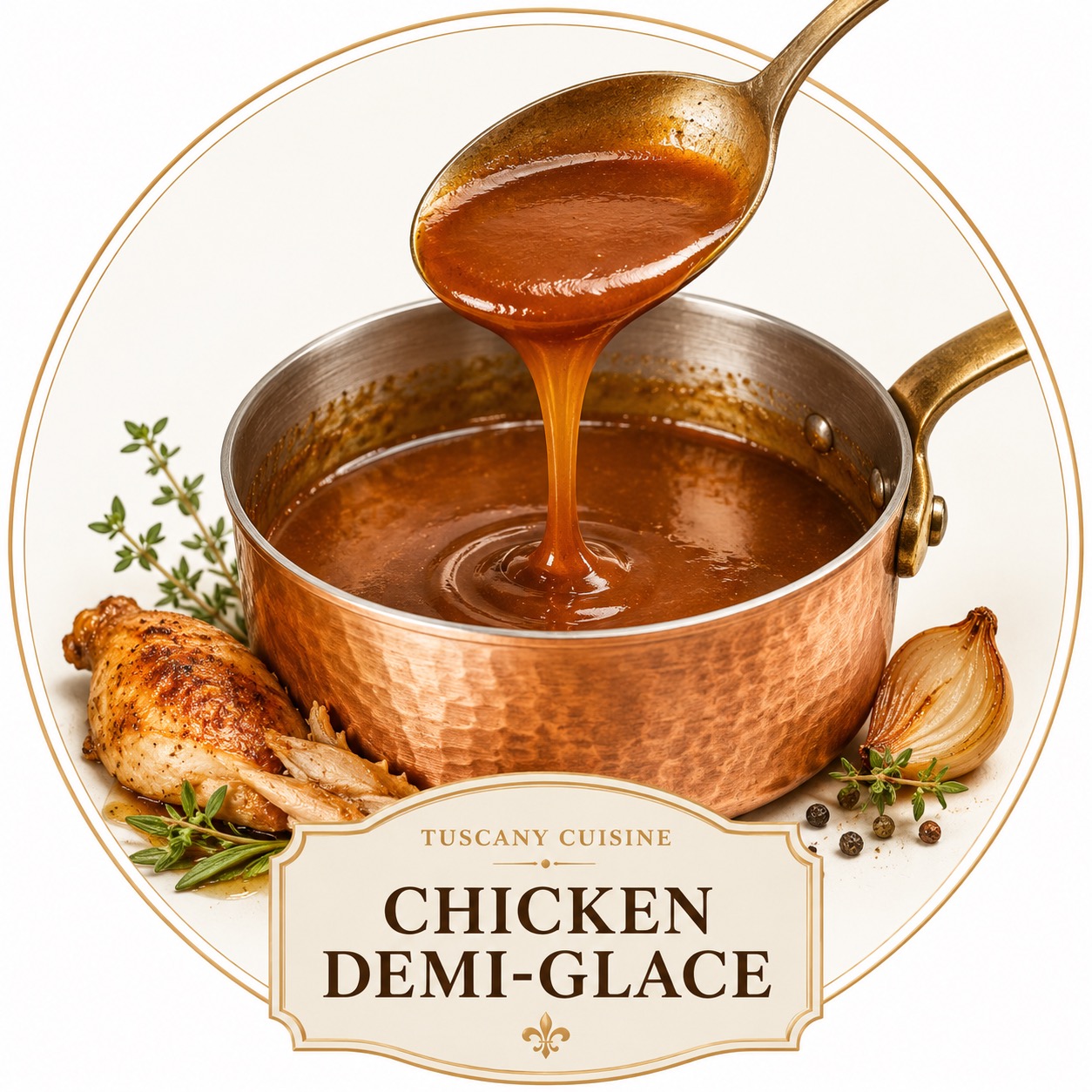
Chicken Demi-Glace
Cleaner and lighter in profile, with excellent natural gelatin when feet, wings, necks and joints are included.
Light & Gelatinous
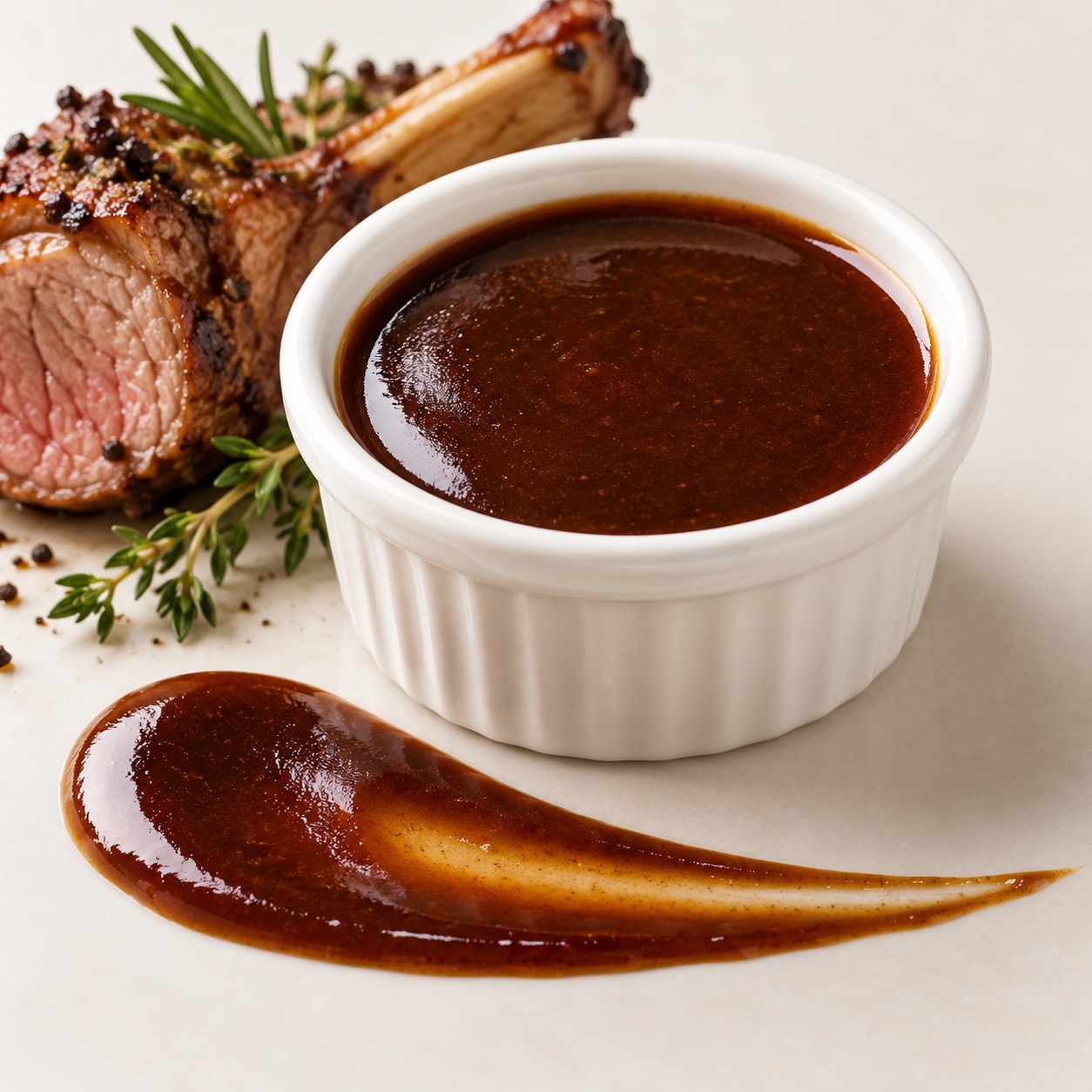
Lamb Demi-Glace
Aromatic and pastoral, built for rack of lamb, roasted lamb, Mediterranean reductions and rosemary-driven jus.
Mediterranean
Why Chicken Bones + Chicken Feet?
Chicken carcasses, backs, necks, wings and roasted bones supply poultry flavor,
roasted character and soluble proteins. Chicken feet contribute a particularly
high proportion of connective tissue and collagen. During prolonged moist cooking,
collagen converts into gelatin and moves into the stock.
After straining and reduction, a properly concentrated chicken demi-glace should
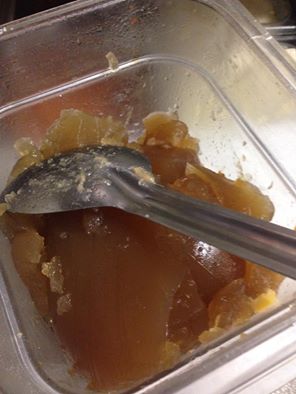
become noticeably firm when refrigerated. It may set into a soft, almost
gelatin-like mass. That cold set is a useful kitchen sign that the stock contains
substantial natural gelatin and will return to a glossy, fluid sauce when reheated.
Professional cold test:
after rapid chilling, the demi should wobble or hold a soft gel structure rather
than remain completely watery. Strong natural gelatin gives sauces body and sheen
without relying on flour or starch.
Lamb Demi-Glace
Lamb demi-glace is obtained by following the same disciplined process used for veal, beef or chicken demi-glace: roast the bones well, build the aromatic base, deglaze, cover with cold water, extract slowly, strain carefully and reduce patiently until glossy. The method remains classical; the identity changes with the protein.
Flavor: more aromatic and pastoral than veal, with a distinctive lamb identity that pairs naturally with rosemary, thyme, garlic, wine and root vegetables.
Color: usually a warm amber-brown to deeper mahogany depending on roasting and reduction.
Gelatin feel: the body, wobble and cold-set texture can change from one protein to the next because each bone mix carries different collagen, marrow and connective tissue.
Best use: lamb roasts, rack of lamb, braised lamb, Mediterranean-style sauces and refined jus-style finishes.
Same Process, New Personality
Demi-glace technique stays consistent across proteins, but the finished sauce does not taste, smell or behave exactly the same. Veal stays more neutral and classical, beef becomes deeper and heavier, chicken turns cleaner and lighter, and lamb expresses a richer pastoral personality.
Collagen source matters: joints, knuckles, feet, necks and connective tissue influence the final gelatin strength.
Roast level matters: deeper roasting darkens color and intensifies flavor.
Reduction matters: the farther the stock is reduced, the tighter and glossier the cold set becomes.
Characteristic
Veal Demi-Glace
Beef Demi-Glace
Chicken Demi-Glace
Lamb Demi-Glace
Color
Deep brown, polished and relatively refined
Usually darkest and more robust
Lighter amber-brown to medium brown
Warm amber-brown to mahogany depending on roast level and reduction
Flavor
Rich but neutral enough for many classical sauces
Stronger roasted-beef character and heavier savory depth
Cleaner poultry flavor, lighter roast character and delicate sweetness
More aromatic, pastoral and distinctly lamb-forward with savory sweetness
Collagen / Gelatin
High when joints, knuckles and connective tissue are used
Variable; strongest with collagen-rich joints and connective tissue
Very high when feet, wings, necks and connective tissue are included
Good body when necks, joints and connective-rich lamb bones are used; final set can feel different from veal, beef or chicken
Cold-set texture
Firm yet elegant gel when well reduced
Dense, heavier gel when collagen and marrow are abundant
Often soft but pronounced gelatin set, especially with feet
Can range from soft-glossy to firmer gel depending on age of bones, marrow, joints and reduction level
Wine
White wine or lighter wine for a refined profile
Red wine supports a deeper roasted style
Dry white wine is generally preferred to preserve poultry character
Dry white wine for elegance or a restrained red wine for a deeper lamb style
Best Uses
Classical brown sauces, veal, pork, poultry, pan sauces
Beef, game, braises, red-wine reductions
Chicken, turkey, duck, mushrooms, terrines, poultry reductions and refined pan sauces
Rack of lamb, roasts, braised lamb, rosemary jus, Mediterranean-style reductions and plated lamb entrées
Tuscany Cuisine Recipe Usage Record
Chicken Demi-Glace is used in
Crostini di Fegatini di Pollo,
where it is reduced with Dry Marsala Wine into the finishing sauce.
Lamb Demi-Glace supports roasted and grilled lamb preparations such as
Roasted Rack of Lamb,
where the same classical extraction process is translated into a more lamb-focused sauce identity.
Canonical ingredient identities: chicken_demi_glace and lamb_demi_glace.
Bone Selection · Flavor · Gelatin · Culinary Use
Choose the Protein Bones for the Demi-Glace
The classical method stays the same—roast, deglaze, extract, strain and reduce—but the protein changes the personality of the sauce. Select a bone family to see how flavor, color, gelatin structure and culinary use change while the batch calculator continues to control the actual production quantity.
Lamb Bones
Lamb demi-glace follows the classical process but develops a more aromatic, pastoral identity suited to lamb, rosemary and Mediterranean reductions.
FlavorAromatic / pastoral
GelatinMedium-high
ColorAmber-brown to mahogany
Best UseLamb jus & Mediterranean reductions
Bone : Finished Yield1.25 lb / cup
Starting Water : Yield4.0 cups / cup
Reduction75%
Production ChoiceUse make-vs-buy tool below
Protein selection + bone weight + roast intensity + aromatics + extraction time + reduction level → flavor identity + gelatin body + color + best culinary use
Bone-to-yield ratio = bone weight ÷ finished cups · Reduction % = 1 − (finished volume ÷ starting water volume)
Chef principle: the selector is a culinary profile guide, not a laboratory prediction. Gelatin strength depends on the actual bones used—joints, knuckles, necks, feet and connective tissue—and on age, roast level, extraction and reduction. The page therefore describes relative behavior rather than inventing a guaranteed gelatin percentage.
Yield / Batch Calculator
💧 Lighter stock✨ Rich & glossy
Adjusts reduction target (final yield) and optional tomato-paste tint.
Base = 1 Tbsp per 4 cups starting liquid (only applied if checked).
Tip: Keep the simmer gentle and skim often. Start with cold water after deglazing.
Ingredients (auto-scaled)
Ingredient
Amount
This scales bones, mirepoix, herbs, wine and optional paste to your final demi yield target.
Production Economics: Make From Scratch or Buy Prepared?
This is a decision tool, not a fixed answer. A restaurant producing demi-glace every week has a different economic case from a family cooking for six or an operation that needs one gallon for a single event. Quality, labor availability, storage, delivery timing, menu price and repeat usage all matter.
Lamb Demi-Glace
Scratch production gives control over roast, aromatics, collagen concentration and final reduction. Use the actual batch cost and labor rate below to test whether that control is financially sustainable.
Prepared Component Logic
Purchased demi-glace may reduce prep labor and production risk. Scratch demi-glace may improve identity and quality. Compare total usable cost, not package price alone.
Scratch Production Scenario
Active labor cost—
Total scratch batch cost—
Scratch cost / cup—
Scratch equivalent / gallon—
Live Inventory can help fill raw ingredient costs only when the ingredient identity and unit match exactly. No silent conversions are used.
Purchased Product Scenario
Purchased cost / gallon—
Purchased cost for required volume—
Scratch cost for required volume—
Enter your actual costs to compare scratch production with a supplier or online product.
Home Kitchen
A cook feeding six may care most about quality, time and whether leftover demi-glace can be frozen and used again. The lowest package price is not automatically the lowest usable cost.
Restaurant Production
Frequent use can justify scratch production because one batch supports multiple sauces and menu items. Labor, equipment capacity, cooling, storage and weekly consumption determine the real value.
Banquet or Event
Scale the finished yield to the guest count and menu usage. Compare production lead time with supplier delivery time before deciding whether to make, buy or combine both strategies.
Purchasing principle: compare what you need, when you need it, what you already have, how often you will use it, and the usable cost after labor, delivery and storage. Global Market can surface local, wholesale and online observations; Live Inventory and Receiving remain the operational cost authority.
Video Lesson Connection
The Demi-Glace trailer is now the primary content at the top of this watch page. Return to the video at any time to review bone roasting, extraction, skimming, straining, reduction, cooling and derivative-sauce applications.
Roast bones at 425°F / 220°C until deeply browned. For chicken demi-glace, use roasted chicken carcasses, backs, necks and wings, plus chicken feet for additional collagen; for lamb demi-glace, use roasted lamb bones, neck bones and connective-rich trim. Drain excess fat.
Combine mirepoix (onion, celery, carrot), bay, rosemary, sage, and peppercorns in a stockpot. Keep the aromatic profile slightly lighter for chicken demi-glace so the poultry flavor remains clear. For lamb demi-glace, rosemary, thyme, garlic and restrained wine help frame the natural lamb aroma without overpowering it.
Transfer bones to pot. Deglaze roasting pans with pre-boiled wine (to drive off alcohol) and add to the pot. Use red wine for a robust beef style; use dry white wine for veal or chicken when a cleaner, lighter profile is desired. Lamb demi-glace can move in either direction depending on whether you want a refined jus or a deeper rustic character.
Cover with cold water. Bring up gently; simmer 8–12 h, skimming. Add tomato paste if using for a darker hue.
Strain through a chinois; pass again through fine mesh. Return liquid and reduce slowly to nappé (coats the spoon).
Cool rapidly. Portion; refrigerate a few days or freeze for long storage. A collagen-rich chicken demi-glace should set softly in the refrigerator and melt back into a glossy sauce when reheated. Lamb demi-glace will also gel after chilling, but the firmness and mouthfeel will vary according to the bone mix, connective tissue and degree of reduction.
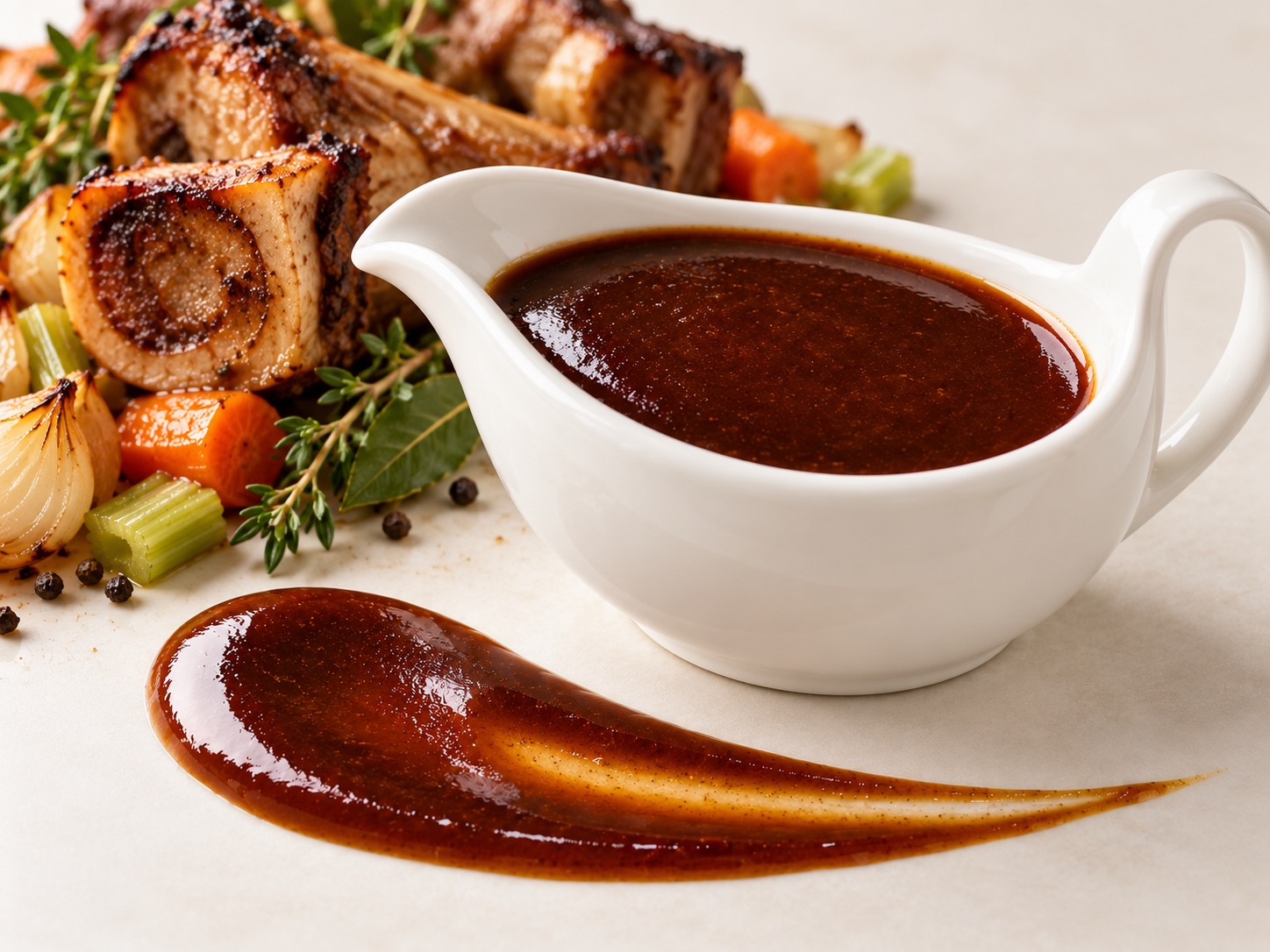
From bone demi-glace to Bordelaise: the finished demi-glace becomes the structural base. Red wine and shallot create acidity and aromatic depth, bouquet garni reinforces the herb profile, butter gives sheen, and optional marrow adds classical richness. This is a clear example of how one professional mother preparation can generate a more specialized derivative sauce.




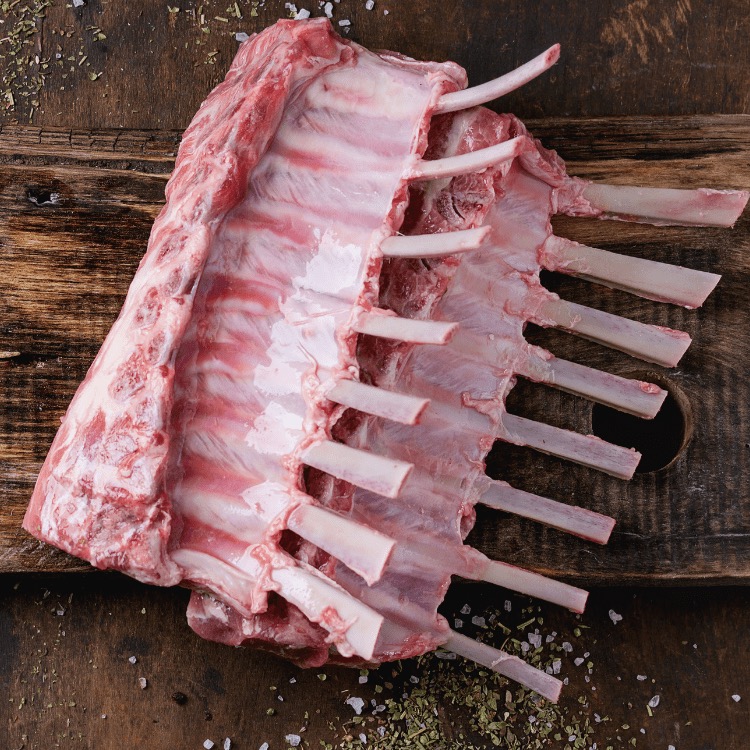
 Dry Red WineAcidity, tannin and reduction depth
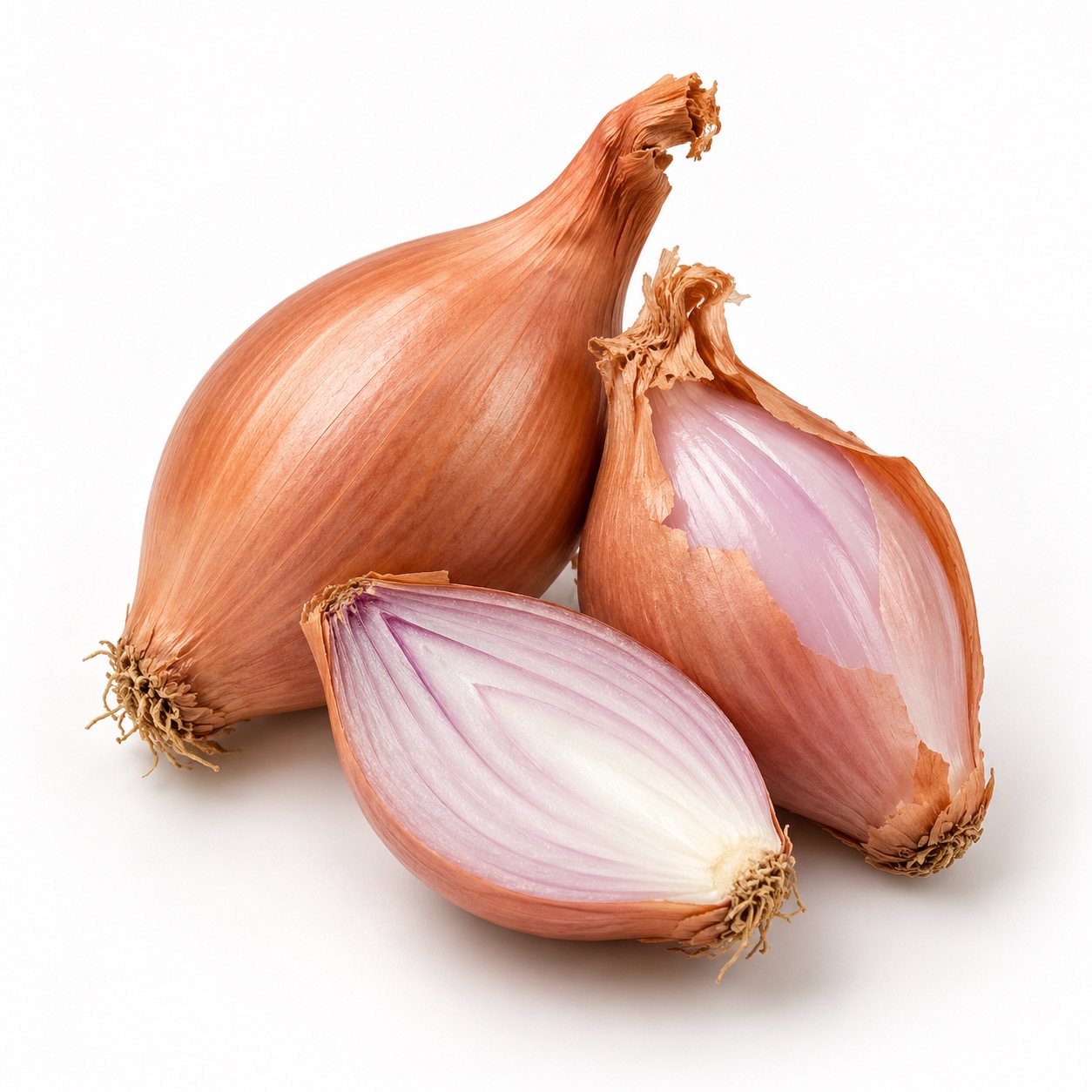 Shallot / ScalognoSweet aromatic foundation
 Fresh ThymeBouquet garni herb
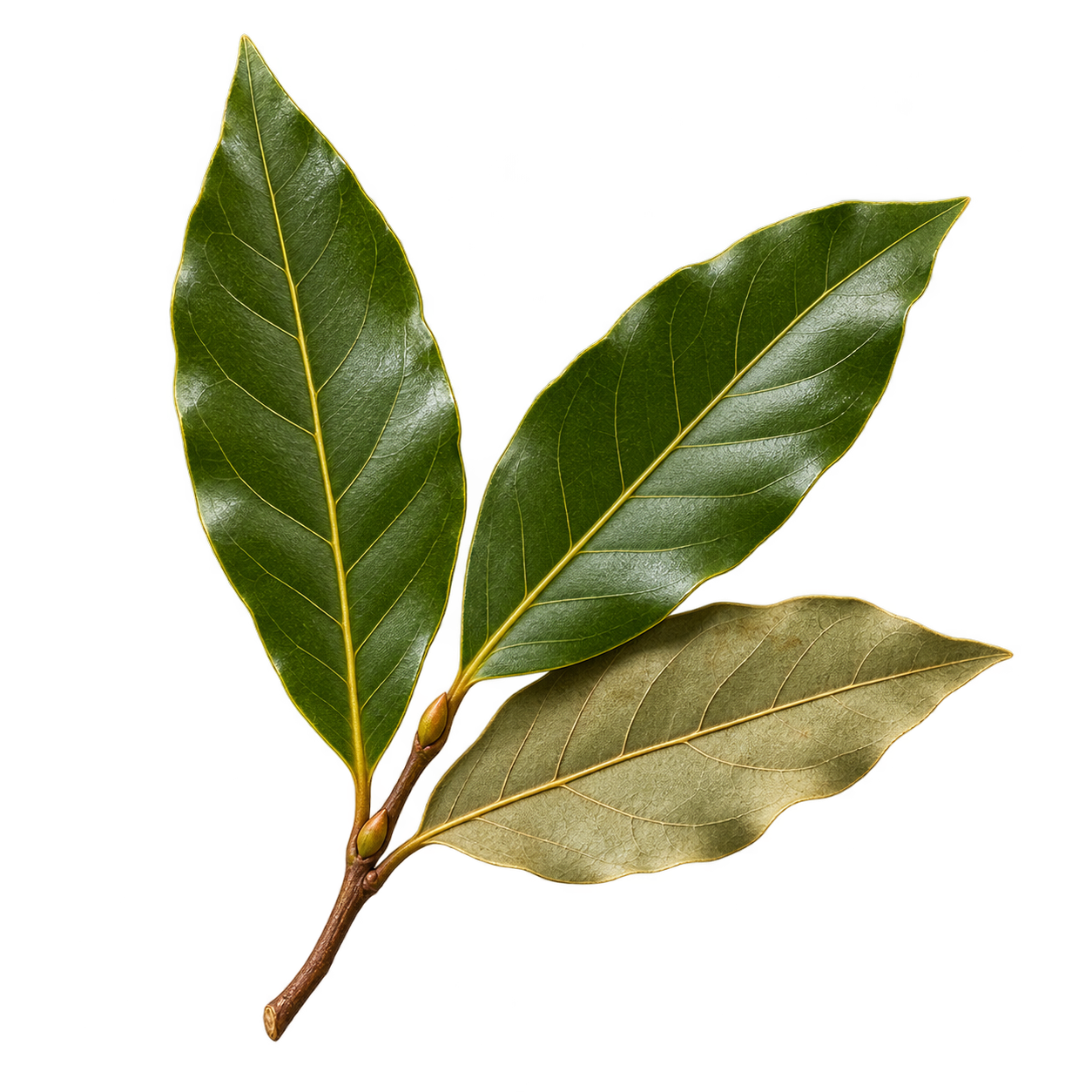 Bay LeafBouquet garni structure
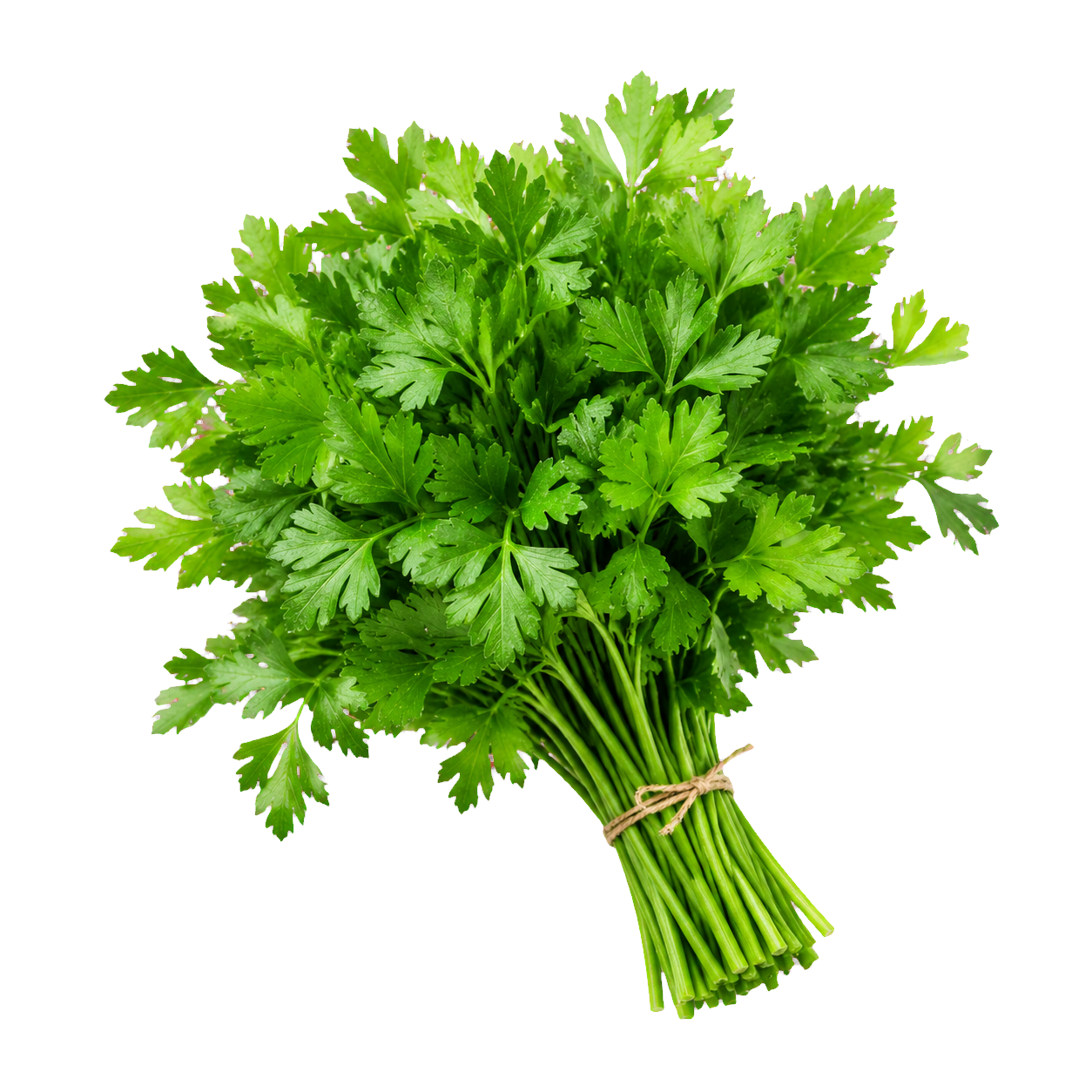 ParsleyFresh herbal finish
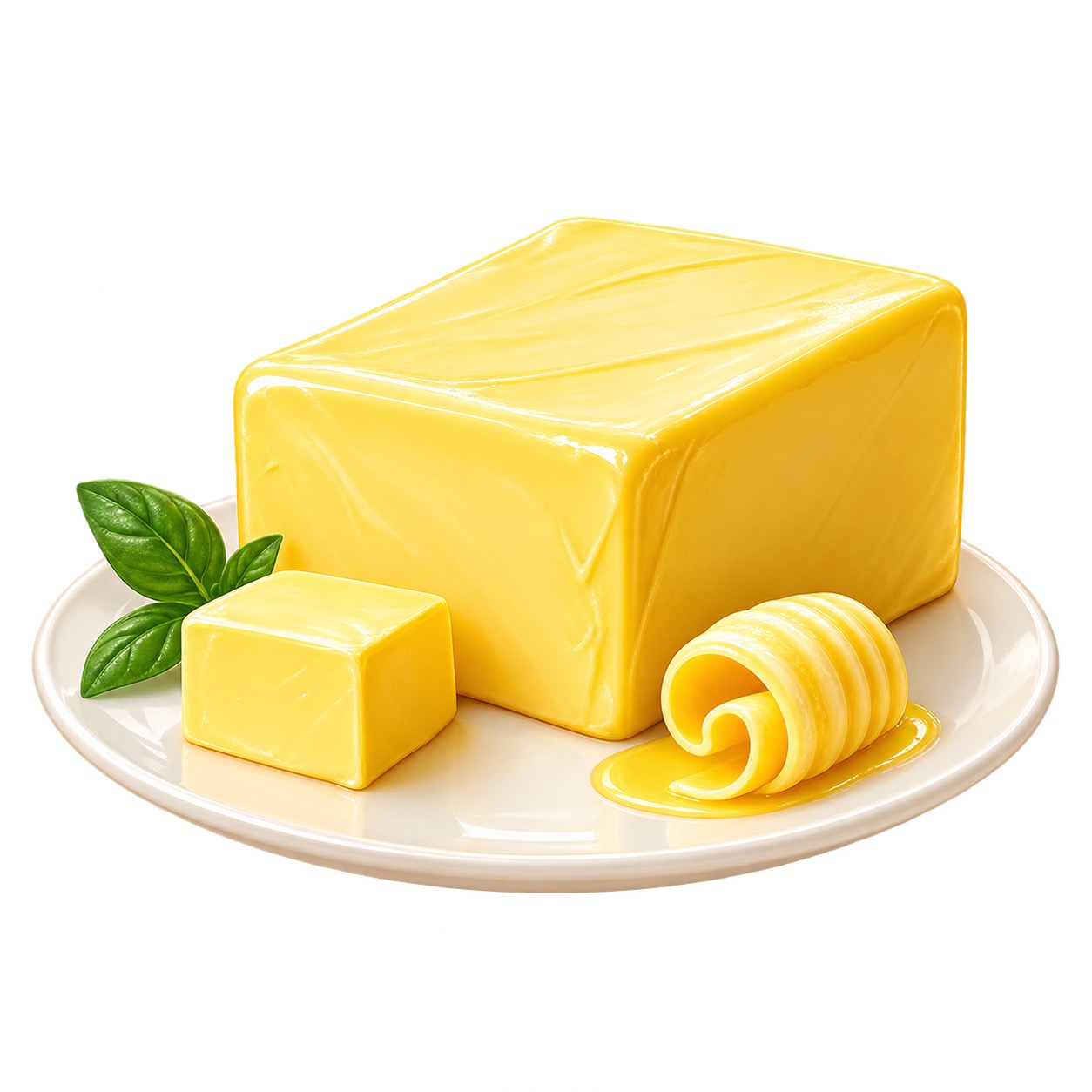 Unsalted ButterMounted off heat for gloss
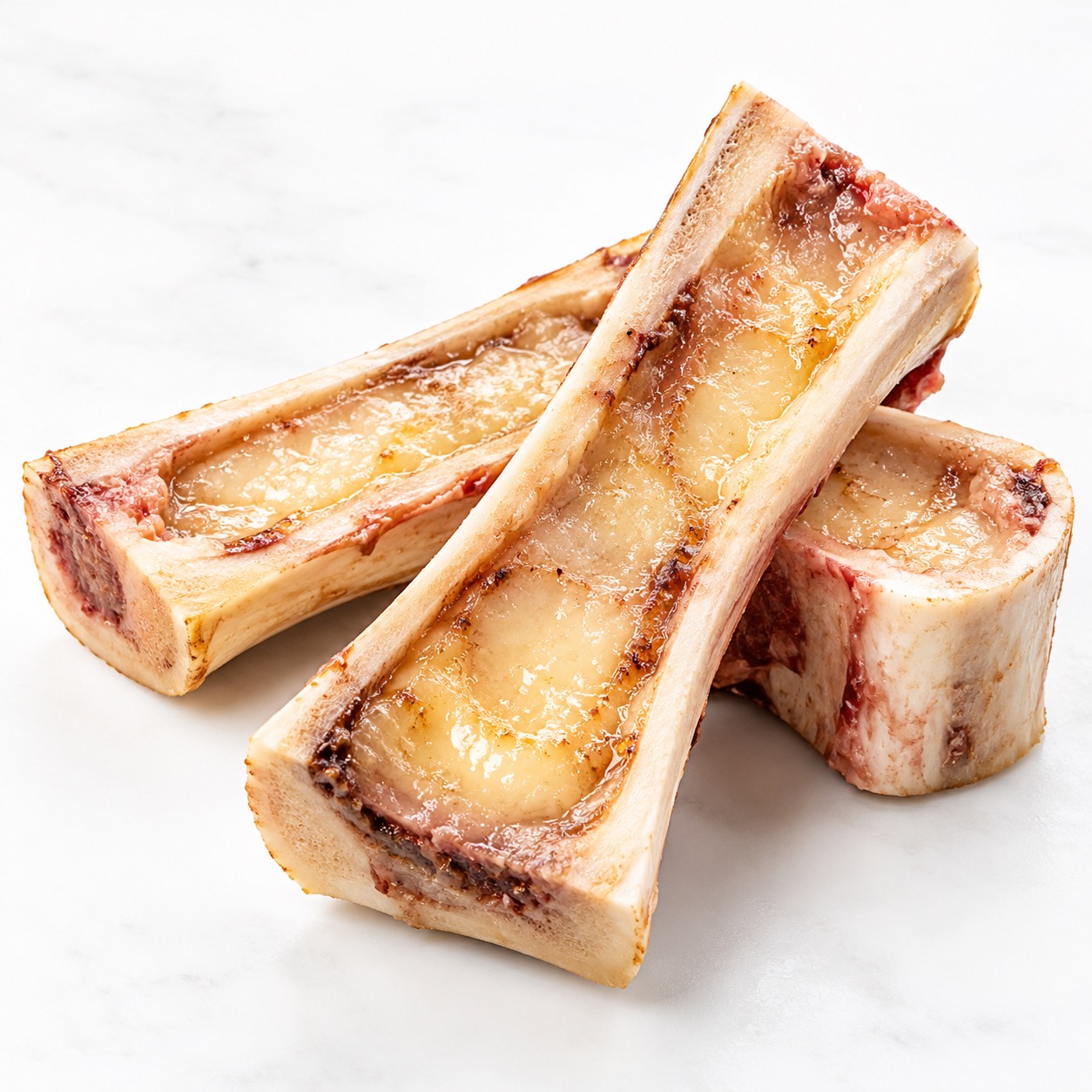 Bone MarrowOptional classical enrichment · marrow bones reference
 Sea SaltFinal seasoning
 Black PeppercornFinal seasoning and spice