


Recipe Overview
Traditional potato gnocchi demonstrates how a few basic ingredients can be transformed through precise technique. The potatoes must remain dry and fluffy, the flour must be added only as needed, and the dough must be handled gently. The goal is a gnocchi that is tender, light and capable of holding sauce without becoming dense or gummy.
Chef Notes
For lighter gnocchi, use only enough flour for the dough to hold together. Excess flour makes the gnocchi heavy. Avoid overworking the potato or kneading aggressively, because excess manipulation can produce a gummy texture.
Production Strategy
The gnocchi may be shaped, briefly blanched, cooled, lightly oiled and refrigerated for service. The source preparation recommends a refrigerated holding period of up to two days after blanching and light oiling.
Ingredients
-
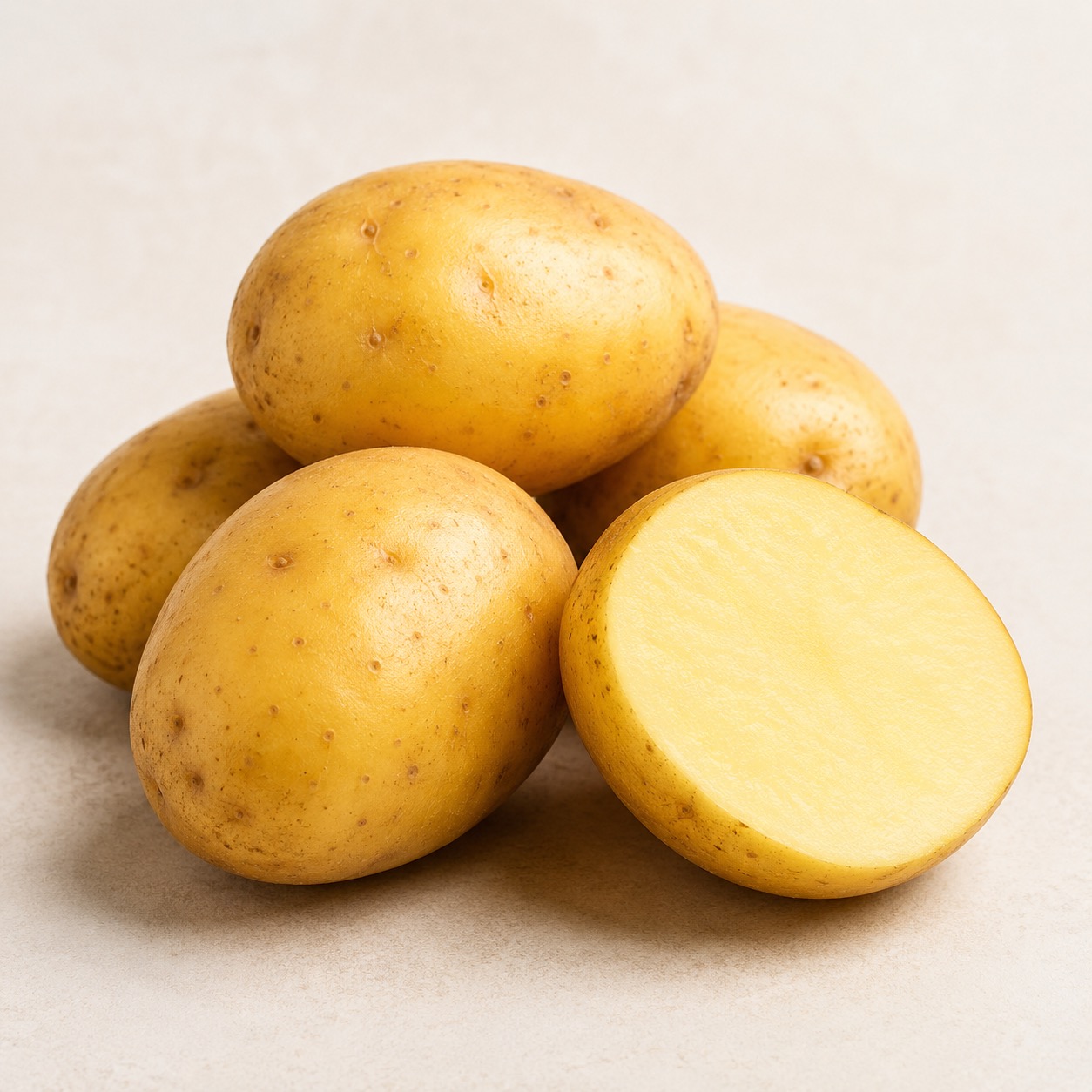 Yukon Gold Potatoes
—
1000
g
· baked whole before ricing
TC-VEG-POTATO-001
Yukon Gold Potatoes
—
1000
g
· baked whole before ricing
TC-VEG-POTATO-001
-
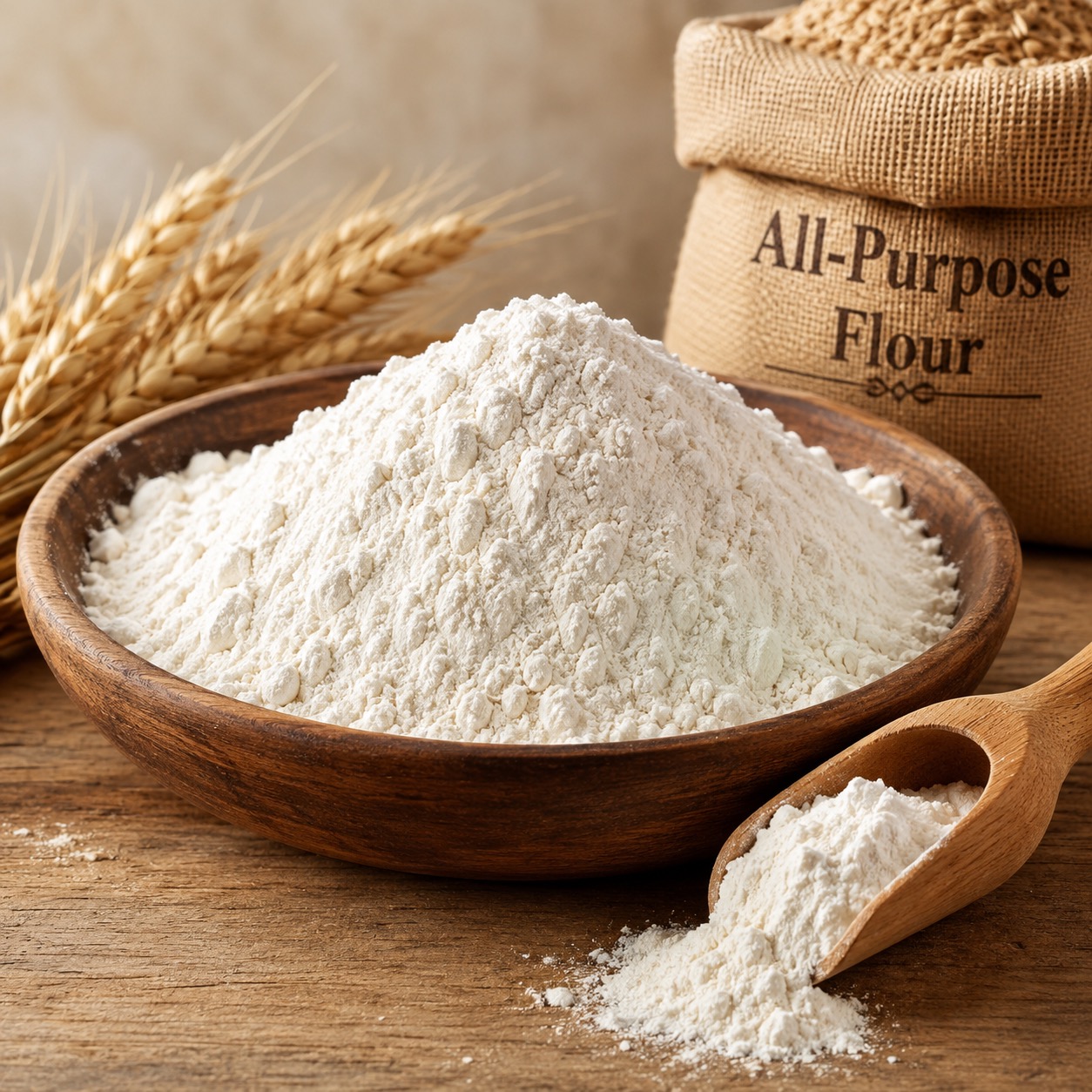 All-Purpose Flour
—
500
g
· add gradually
all_purpose_flour
All-Purpose Flour
—
500
g
· add gradually
all_purpose_flour
-
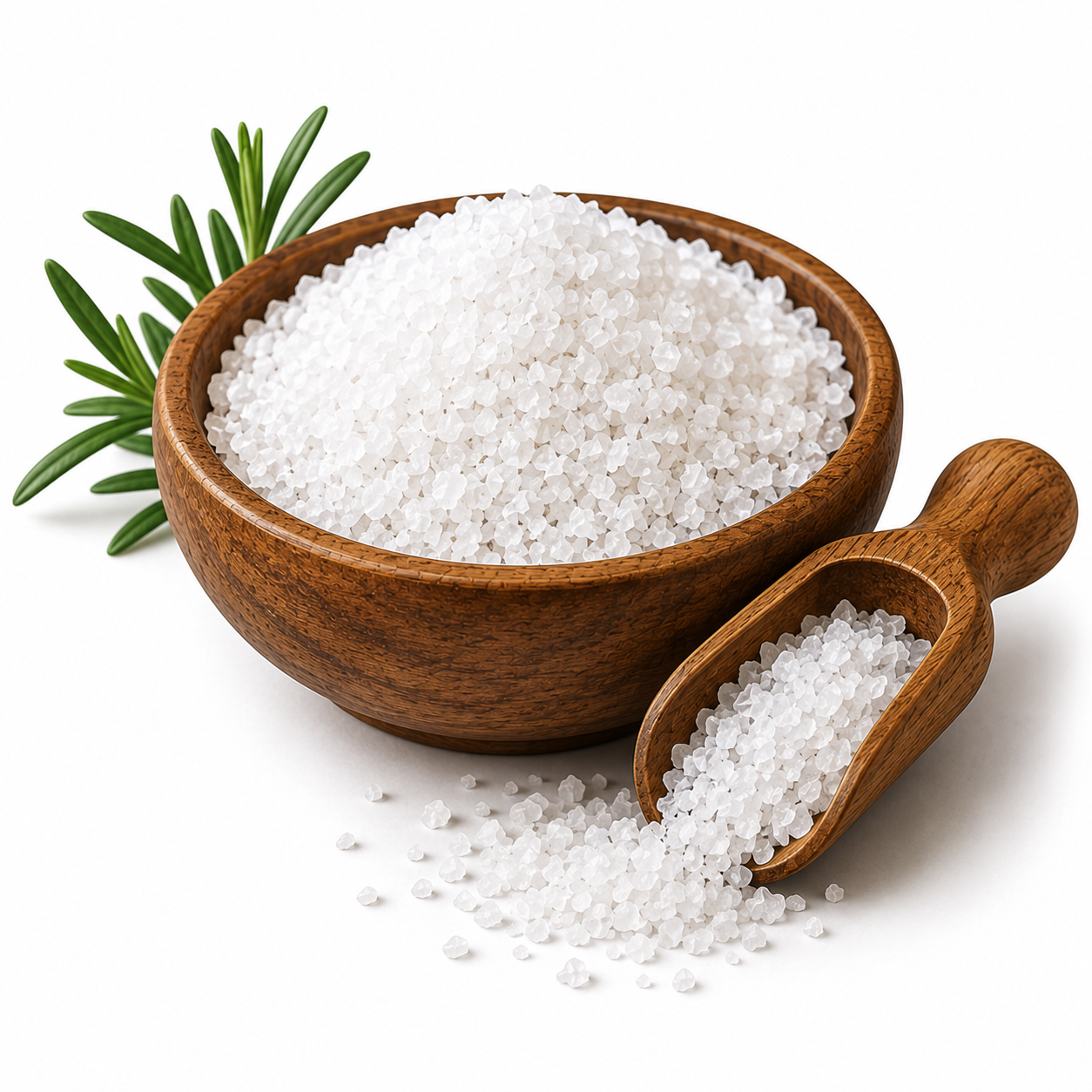 Fine Sea Salt
— to taste
SPICE-SALT-0001
Fine Sea Salt
— to taste
SPICE-SALT-0001
-
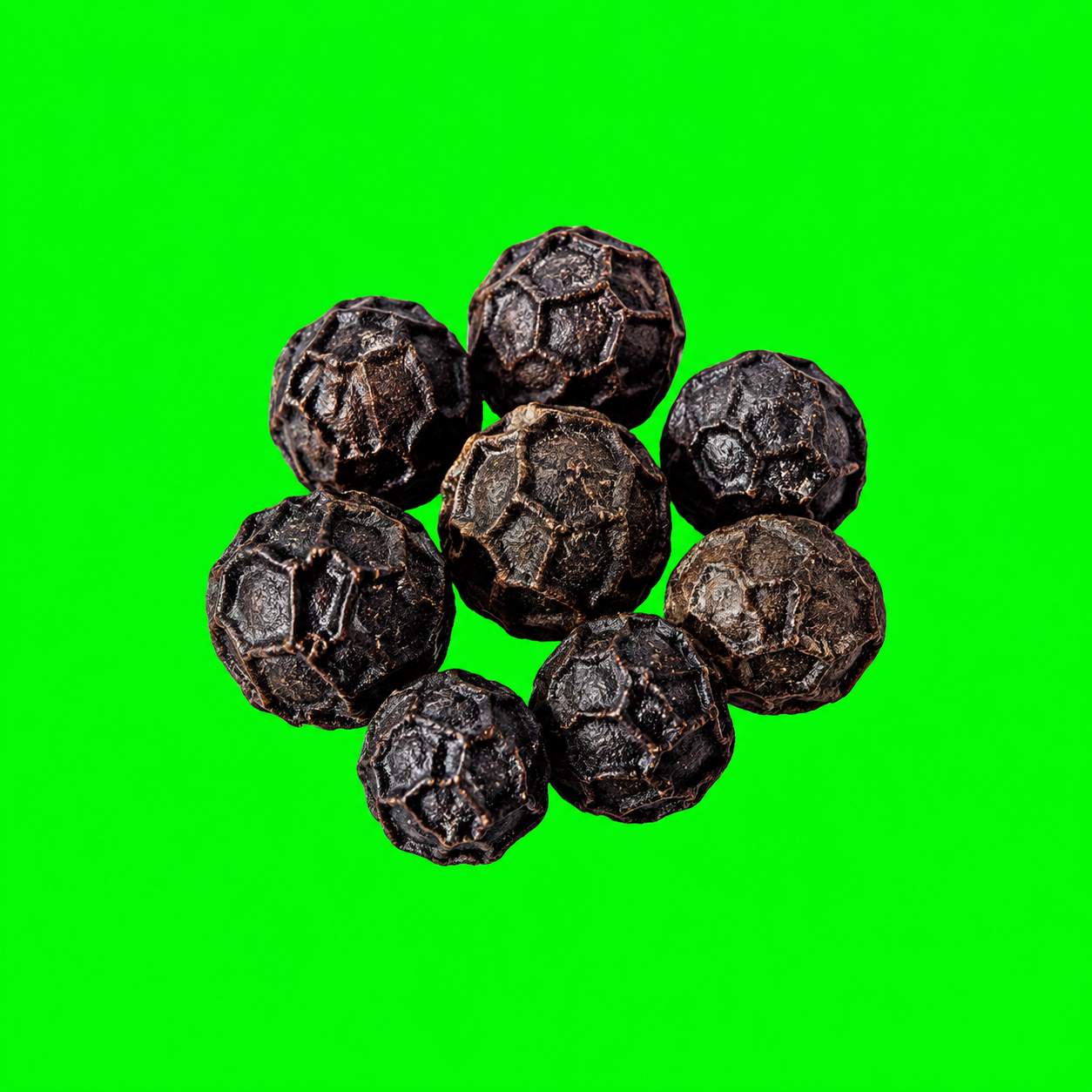 Freshly Ground Black Pepper
— to taste
SPICE-PEPPERCORN-BLACK
Freshly Ground Black Pepper
— to taste
SPICE-PEPPERCORN-BLACK
-
 Freshly Grated Nutmeg
— to taste
nutmeg
Freshly Grated Nutmeg
— to taste
nutmeg
Preparation
- Bake the potatoes: Wash the Yukon Gold potatoes and wrap as appropriate for baking. Bake at 350°F / 175°C for approximately 35 minutes, or until just tender. Avoid excessive cooking, which can increase moisture and weaken the final dough.
- Cool and peel: Allow the potatoes to cool completely. Peel carefully. The potatoes should remain dry rather than waterlogged.
- Rice the potatoes: Pass the peeled potatoes through a potato ricer directly onto a lightly floured work surface. Do not purée the potatoes in a food processor, because excessive mechanical action can create a gummy texture.
- Season: Season the riced potatoes with fine sea salt, freshly ground black pepper and a small amount of freshly grated nutmeg.
- Add the flour: Begin incorporating the all-purpose flour gradually. Fold and knead gently only until a soft, cohesive dough forms. Do not automatically force all of the flour into the dough if the potatoes require less. The exact absorption depends on potato moisture.
- Rest: Cover the dough and allow it to rest for approximately 30 minutes.
- Roll: Divide the dough into manageable portions. Roll each portion into an even rope on a lightly floured surface.
- Cut: Cut the ropes into approximately 2-inch / 5 cm pieces. Keep the pieces lightly floured so they do not stick.
- Shape: Roll each gnocchi over the back of a fork or across a gnocchi board. Create a slight indentation on one side and ridges on the other. The ridges improve sauce retention.
- Cook: Bring salted water to a controlled boil. Add the gnocchi without overcrowding the pot. When the gnocchi rise to the surface, allow them to finish briefly, then remove carefully with a slotted spoon.
- Finish: Transfer directly to the selected sauce. Suitable finishes include butter and sage, pomodoro, light ragù, brown butter, mushrooms or soft cheese sauces. Serve immediately.
Prep Card | Kitchen Notes
- Base Yield: 6 servings
- Station: Primi / Pasta Station
- Texture Goal: Tender, light and delicate
- Critical Control: Avoid excessive potato moisture
- Flour Control: Use only as much flour as required
- Advance Prep: Shape and blanch briefly if preparing for later service
- Holding: Cool, oil lightly and refrigerate up to 2 days
Service Suggestions
- Butter and fresh sage
- Classic pomodoro sauce
- Light beef, lamb or duck ragù
- Brown butter
- Wild mushroom sauce
- Creamy Gorgonzola sauce
- Parmigiano Reggiano finish
| Calories | ~445 kcal |
| Protein | ~8.7 g |
| Fat | ~0.9 g |
| Carbohydrates | ~97 g |
| Sodium | Varies by seasoning |
The History of Gnocchi
Gnocchi is one of the oldest and most adaptable preparations in Italian cuisine. Long before potatoes became associated with the dish, many versions were prepared from flour, stale bread, semolina, vegetables and ricotta. Across Italy, these small dumplings, sometimes described as chicche, changed shape and consistency according to the ingredients available in each region.
Before Potatoes
In mountainous regions, one well-known related preparation was canederli, made from stale bread softened with water or milk and enriched with eggs. It represented an intelligent and economical way to avoid food waste, particularly in Alpine kitchens. Other regions prepared dumplings from semolina or flour combined with liquid and served them with butter or cheese.
In noble Renaissance kitchens, cooks prepared zanzarelli, a refined dumpling made with breadcrumbs, almonds and spices, often served in broth. In Tuscany and Lombardy, malfatti and gnudi became traditional expressions of a related culinary idea, combining ingredients such as ricotta, greens, eggs and flour into soft preparations.
Renaissance to Modern Gnocchi
Early documented Italian recipes appear in the works of Cristoforo Messisbugo and Bartolomeo Scappi, who described preparations referred to as “maccaroni called gnocchi.” These versions were often served with butter, aged cheese and spices.
Potatoes arrived in Europe during the 16th century, but they became more established within the Italian diet later. Their soft, starchy structure eventually transformed gnocchi, leading to the potato-based preparation widely recognized today.