Béarnaise
Yolk-and-butter emulsion flavored with an aromatic vinegar/wine reduction, shallot and tarragon. Excellent with beef and grilled foods.
Hollandaise is a warm emulsion in which egg yolks stabilize clarified butter inside a water-and-lemon phase. The professional cook learns to read the yolks, foam, heat and viscosity instead of depending only on fixed measurements.
Water is essential: it is part of the structure of the emulsion and directly controls how heavy or light the finished sauce becomes.
Chef David Giani method: use enough water for the yolks to whisk freely; cook gently over a bain-marie until the foam disappears and the yolk-water phase thickens, then remove from heat and gradually emulsify the clarified butter.

hollandaise_sauceA classical European sauce built on the discipline of warm emulsification.
Butter-and-egg sauces appear in French culinary writing centuries before the modern professional sauce system was standardized. Over time, Hollandaise became one of the central sauces taught in classical cuisine because mastering it teaches heat control, emulsification, viscosity and seasoning.
In Italian professional kitchens it is commonly called salsa olandese. The sauce is used with eggs, asparagus and other vegetables, poached or steamed fish, shellfish and elegant plated preparations.
The most important tradition is not a single fixed ratio. It is the technique: develop the yolk-water phase correctly, control heat, and gradually disperse clarified butter into that phase.
A professional 2-quart batch concept with water controlled by visual judgment.
| Ingredient | Professional Reference | Chef Method |
|---|---|---|
| Egg yolks | 6 large yolks ≈ 102 g | Primary emulsifier and protein structure. |
| Water | As needed | Current method is controlled visually. The older written reference was approximately 1 US cup / 237 g, but the actual amount is adjusted to the desired body. |
| Fresh lemon juice | ≈ 122 g | Approximately 1/2 US cup. Provides the essential acidity and brightness of the sauce and also contributes to the aqueous phase of the emulsion. |
| Fine salt | 2 g | Seasoning; also affects protein behavior. |
| Ground white pepper | 1.5 g | Classical pale seasoning without black specks. |
| Clarified butter | ≈ 820 g | Approximately 4 US cups. A USDA household-weight reference lists clarified butter/ghee at about 205 g per cup. |
Less water creates more body; more water creates a lighter sauce.
Hollandaise is an emulsion of fat dispersed through an aqueous phase stabilized by egg yolk. In this formula, both water and lemon juice contribute to that liquid phase, so the chef must judge their combined effect on body and flow. The liquid phase is structural—it is not just dilution.
Professional correction: if Hollandaise becomes too thick, the answer is often a little warm water—not more butter. Add water a few grams at a time while whisking until the sauce returns to the desired consistency.
Use temperature as information, but allow the appearance and viscosity of the yolk base to guide you.
At approximately 50°C / 122°F the yolk-water mixture is warm and the cook can begin watching its behavior closely, but this is below the generally recognized egg-yolk coagulation range.
Egg-yolk proteins generally begin significant thickening/coagulation around 65°C / 149°F and continue toward approximately 70°C / 158°F. Water, salt, acid and mixing can change how the mixture behaves.
Cook the yolk-water phase first, then emulsify the clarified butter.
Changing the water phase changes the flavor and purpose of the sauce.
For Béarnaise, replace the neutral water character with an aromatic reduction. A practical professional reduction can be made with water, white-wine vinegar and finely chopped shallots. Reduce enough to concentrate the shallot and vinegar flavor while retaining sufficient liquid to cook and hydrate the egg yolks.
Whisk the yolks into this reduction over the bain-marie. When the yolk phase has thickened, remove it from the heat and incorporate clarified butter using the same emulsion technique as Hollandaise.
Béarnaise is especially suited to filet, grilled steak, roasted beef, poached salmon and other fish. For a lighter chef variation, a neutral oil can replace part or all of the butterfat, but that should be identified as a Hollandaise-inspired emulsion rather than strict classical Béarnaise.
The base emulsion becomes a family of sauces.
Yolk-and-butter emulsion flavored with an aromatic vinegar/wine reduction, shallot and tarragon. Excellent with beef and grilled foods.
Finished Hollandaise lightened by folding in softly whipped cream. Delicate with fish, asparagus and refined vegetable preparations.
A Béarnaise-family sauce enriched with tomato, adding color, acidity and sweetness for meats, poultry and selected seafood dishes.
Hollandaise flavored with blood-orange juice and zest. Traditionally elegant with asparagus and also useful with delicate fish.
A chef variation using reduced fish stock or fumet as part of the aqueous phase. Excellent for poached salmon, white fish and shellfish.
Tomato water, purée or a concentrated tomato reduction can transform the flavor toward Mediterranean and Italian dishes while preserving the warm-emulsion concept.
Choose the sauce body according to the ingredient being covered.
A dense sauce is useful where the Hollandaise must sit firmly on eggs or vegetables. A more hydrated sauce flows more naturally over poached fish and shellfish. The purpose is to coat and complement the ingredient—not hide it under excessive fat.
Each base ingredient now uses an existing Tuscany Cuisine shared identity, icon and knowledge page wherever one is published.
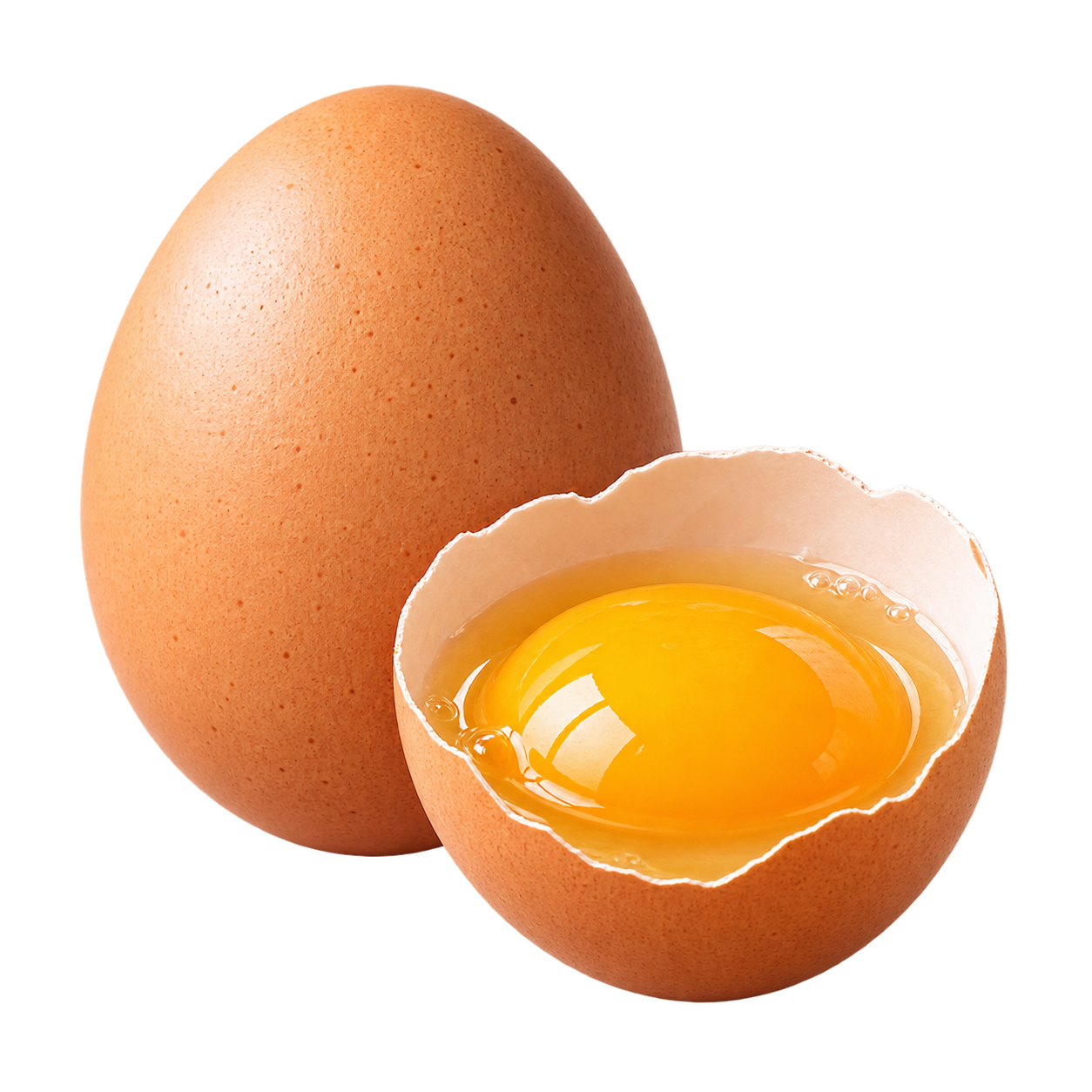
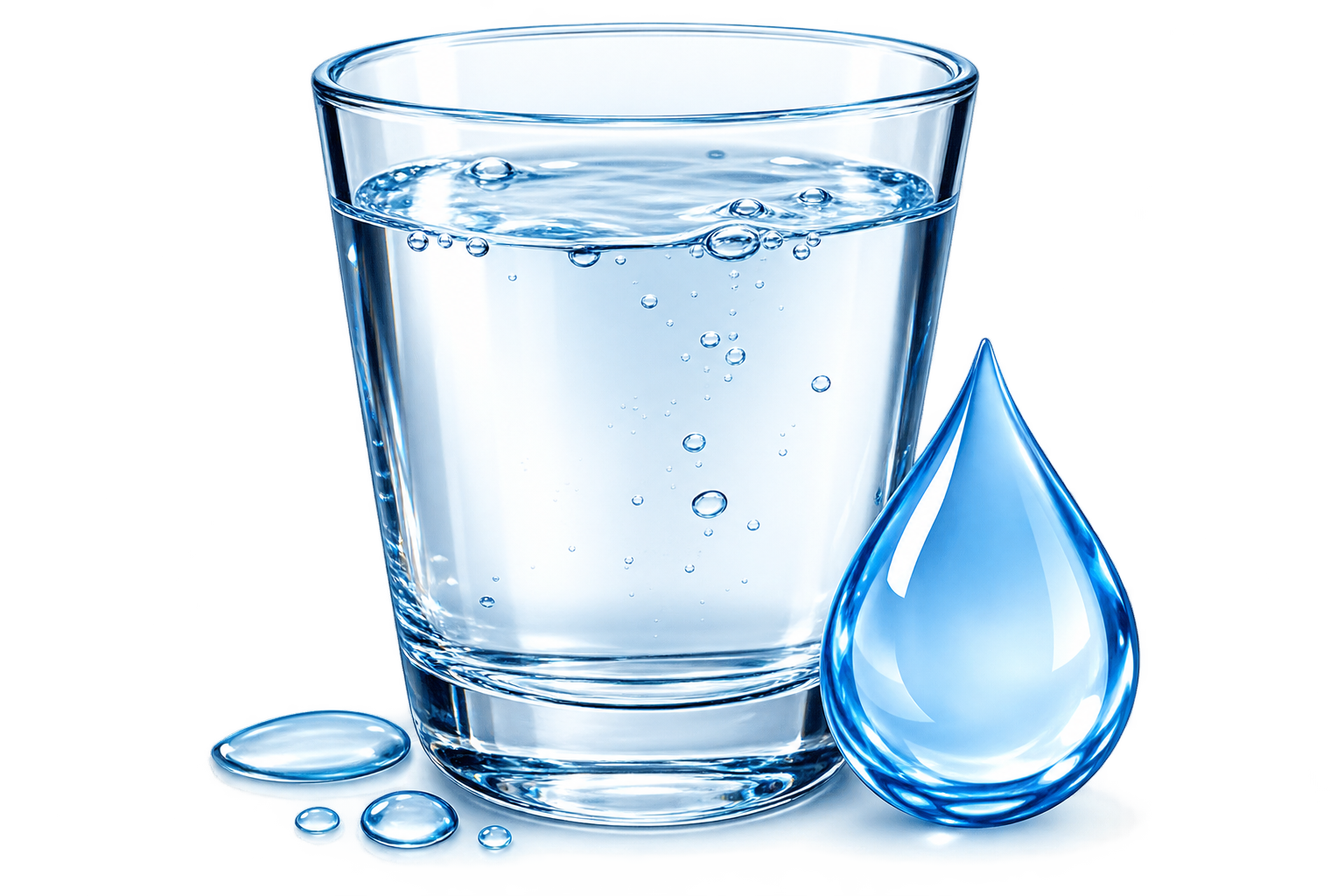
Chef-controlled liquid for body, viscosity and temperature control.
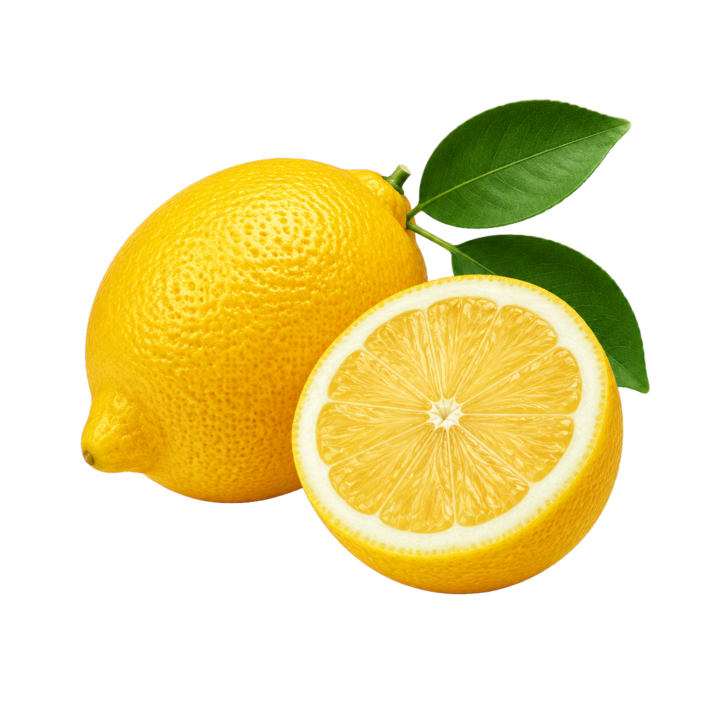
Provides acidity, brightness and part of the liquid phase of the emulsion.
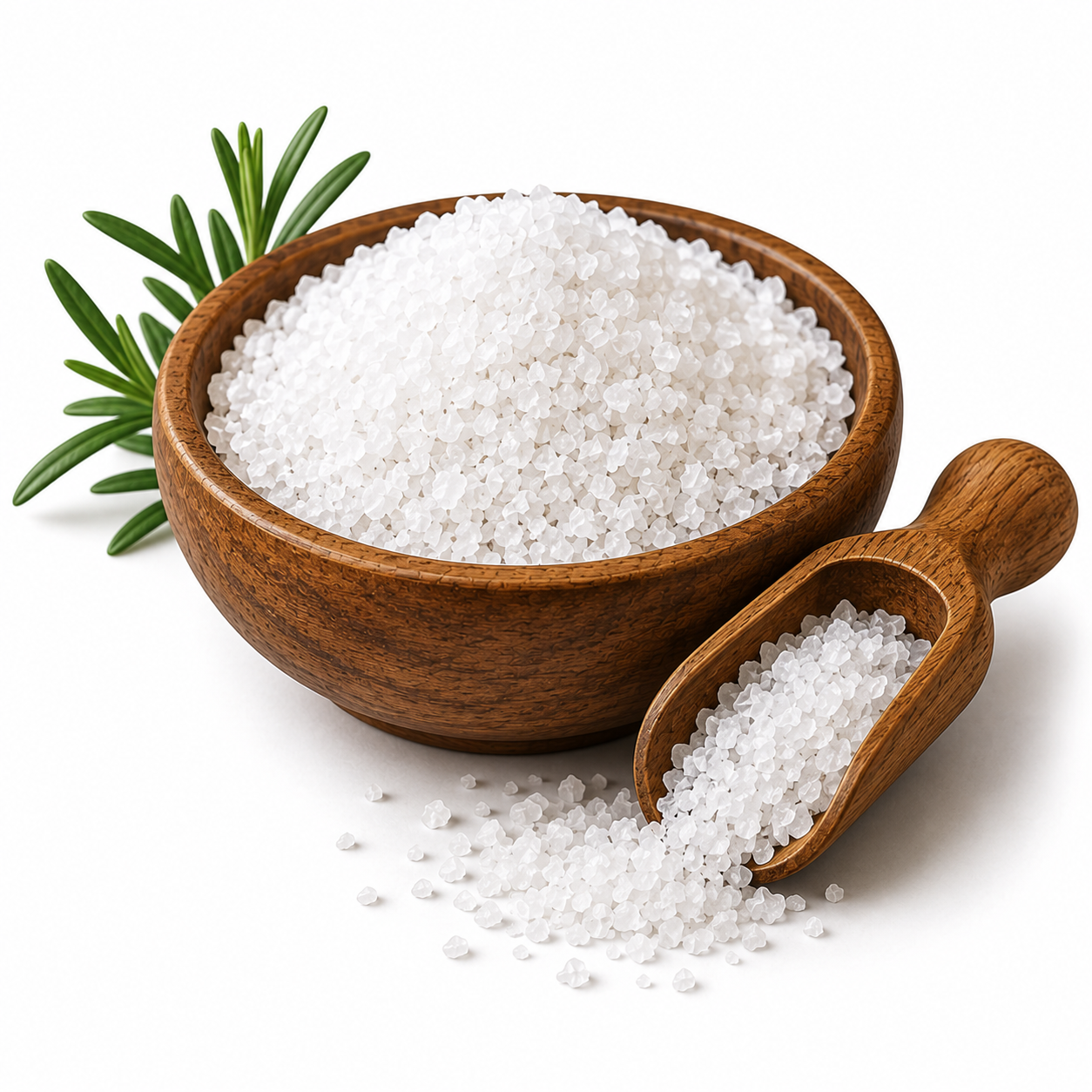
Seasoning and part of the overall protein behavior of the sauce.
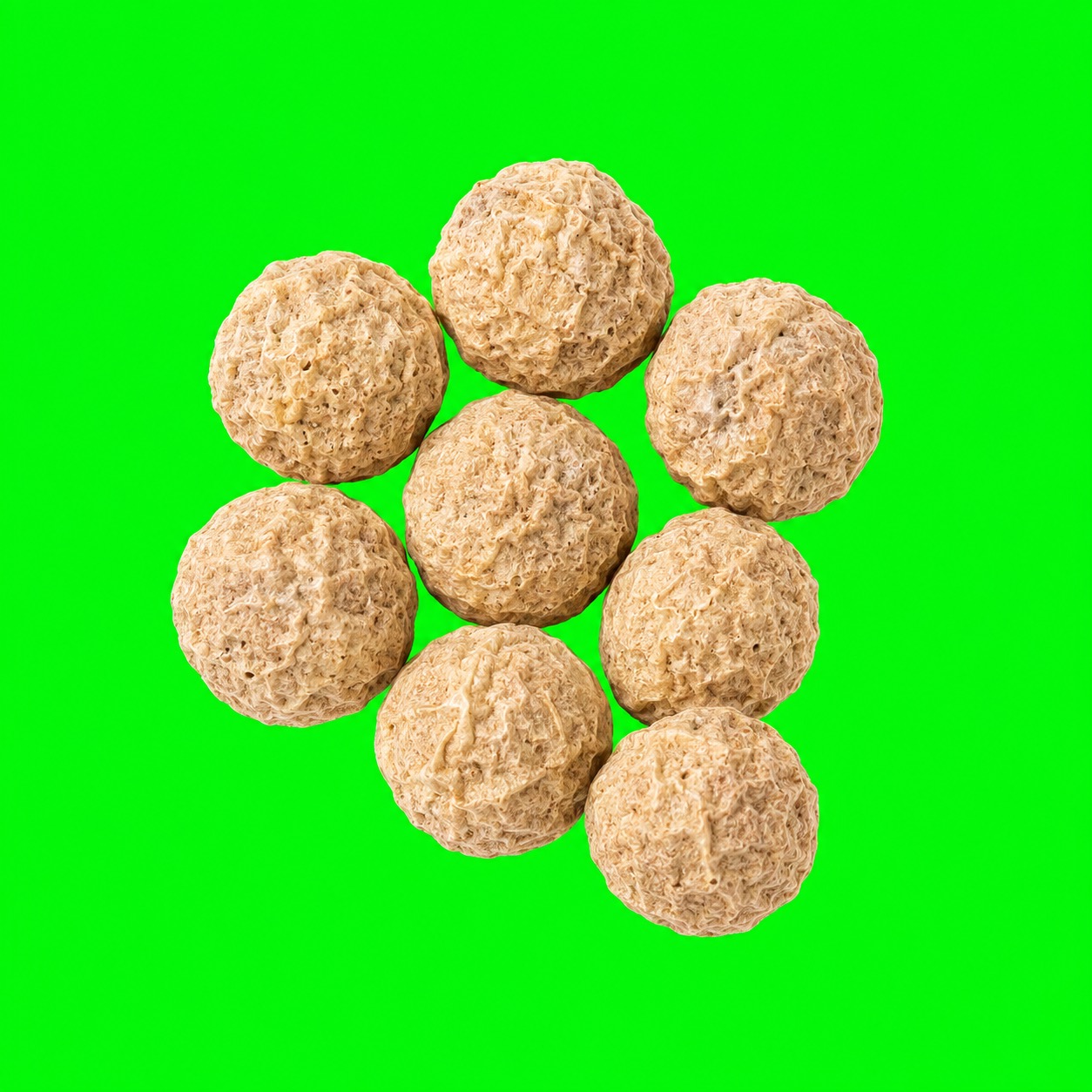
Traditional pale seasoning that keeps the sauce visually clean.
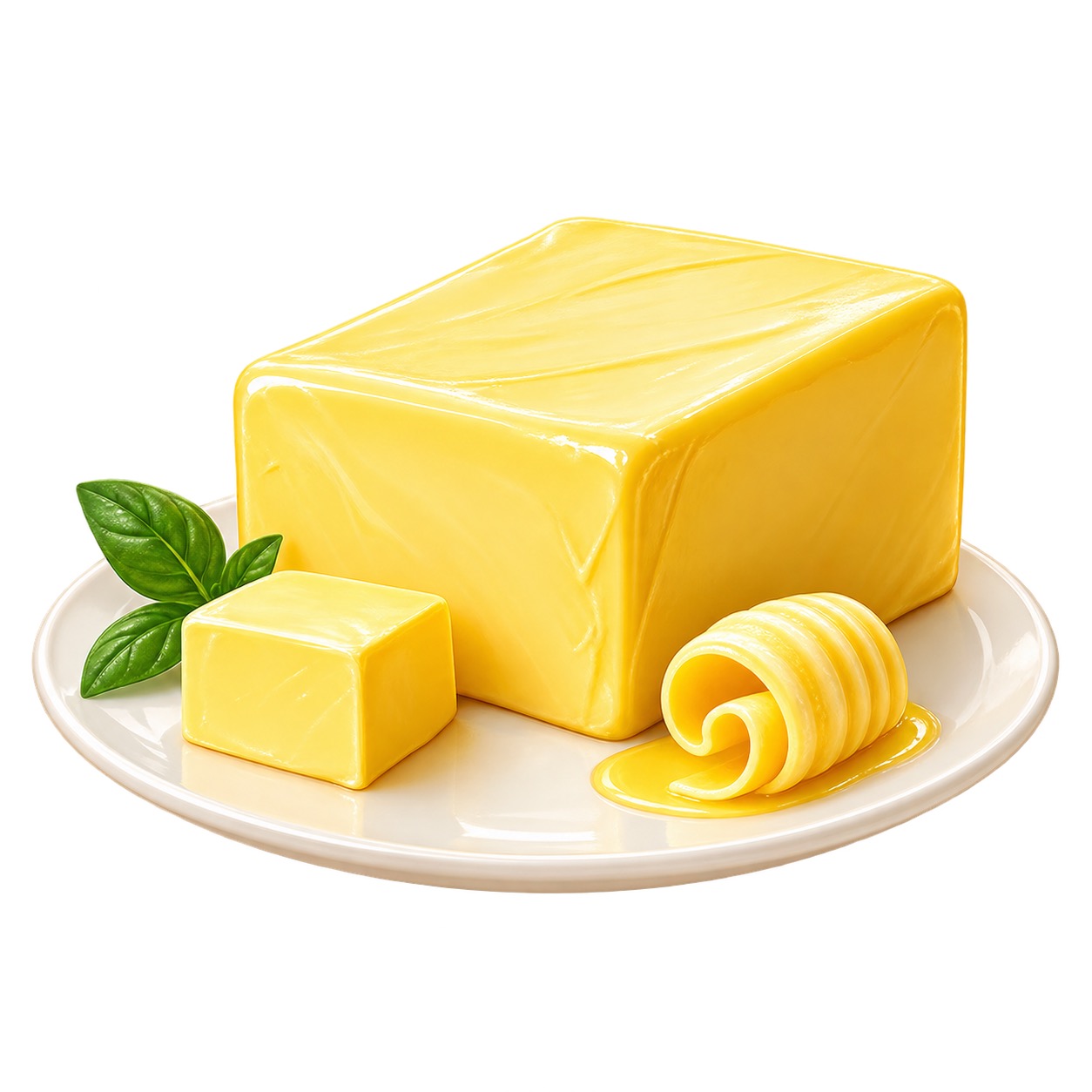
Main fat phase of the emulsion and key source of richness and gloss.
Tuscany Cuisine identity for recipes, inventory, Menu Builder and the sauce knowledge system.
| Canonical name | Hollandaise Sauce |
|---|---|
| Italian name | Salsa Olandese |
| Inventory ID | hollandaise_sauce |
| Category | Sauces and Preparations |
| Subcategory | Warm Emulsified Butter Sauce |
| Icon | /engine/salse/olandese.jpeg |
| Knowledge page | /engine/salse/hollandaise.html |
| Formal ingredient code | Pending Master Ingredient Registry assignment |
| Connected recipe | Recipe 167 — Steamed Clams with Hollandaise & Crispy Prosciutto |
The final nutrition changes with the water-to-butter ratio.
Hollandaise is primarily a butterfat sauce enriched with egg yolk. Because your current method adjusts water visually, a fixed nutrition value per ounce would be misleading until the actual finished batch weight is recorded.
For accurate Tuscany Cuisine nutrition and food-cost calculation, weigh the finished 2-quart production batch, record the final gram yield, and divide the clarified butter and yolk nutrition across the actual serving portions. Increasing water lowers calories per gram; reducing water concentrates calories and fat per spoonful.