


Recipe Overview
This lasagna brings together the richness of classical baked pasta and the freshness of the sea. Crab, shrimp, clams, mussels, monkfish and sea bass are gently prepared, layered with fresh pasta sheets and velvety béchamel, then finished with a fragrant pesto Carlofortino of basil, lemon zest, garlic and extra-virgin olive oil. The result is a refined first course with Mediterranean character.
Chef Notes
Keep every seafood component slightly under its final doneness during pre-cooking. The lasagna receives a final hot bake, so protecting moisture in the shrimp, fish and shellfish is essential to preserving an elegant filling.
Connected Experience
This recipe connects fresh pasta dough, béchamel, tomato sauce, crab, shrimp, shellfish, fresh basil and the Primi Station to Menu Builder, labor calculation, inventory and purchasing.
Ingredients
-
 Fresh Egg Pasta Dough
— 900 g · for lasagna sheets
fresh_egg_pasta_dough
-
 Béchamel Sauce
— 1900 ml · prepared béchamel, kept ready for layering
bechamel_sauce
-
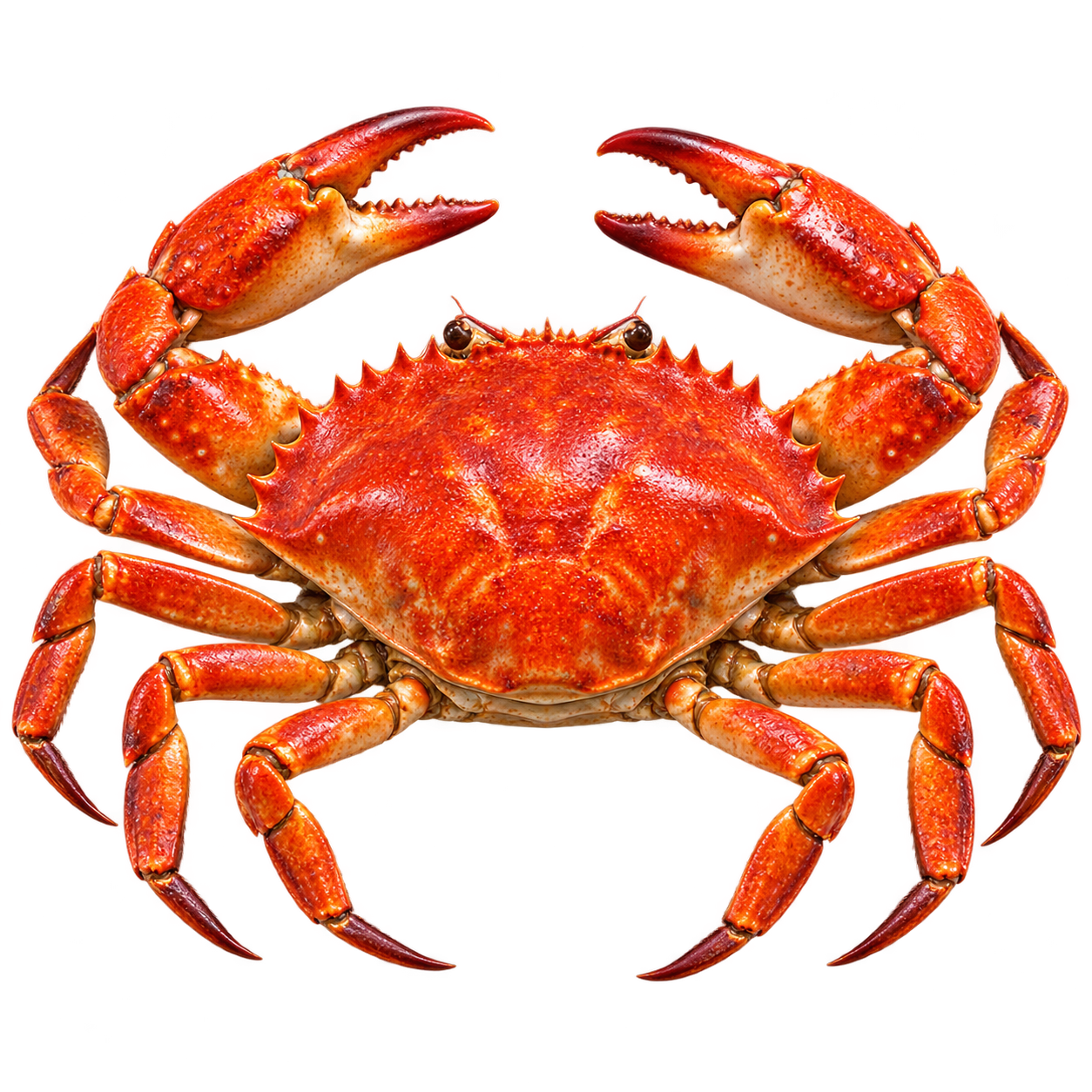 Lump Crab Meat
— 450 g · picked over for shell fragments
SEA-CRAB-001
-
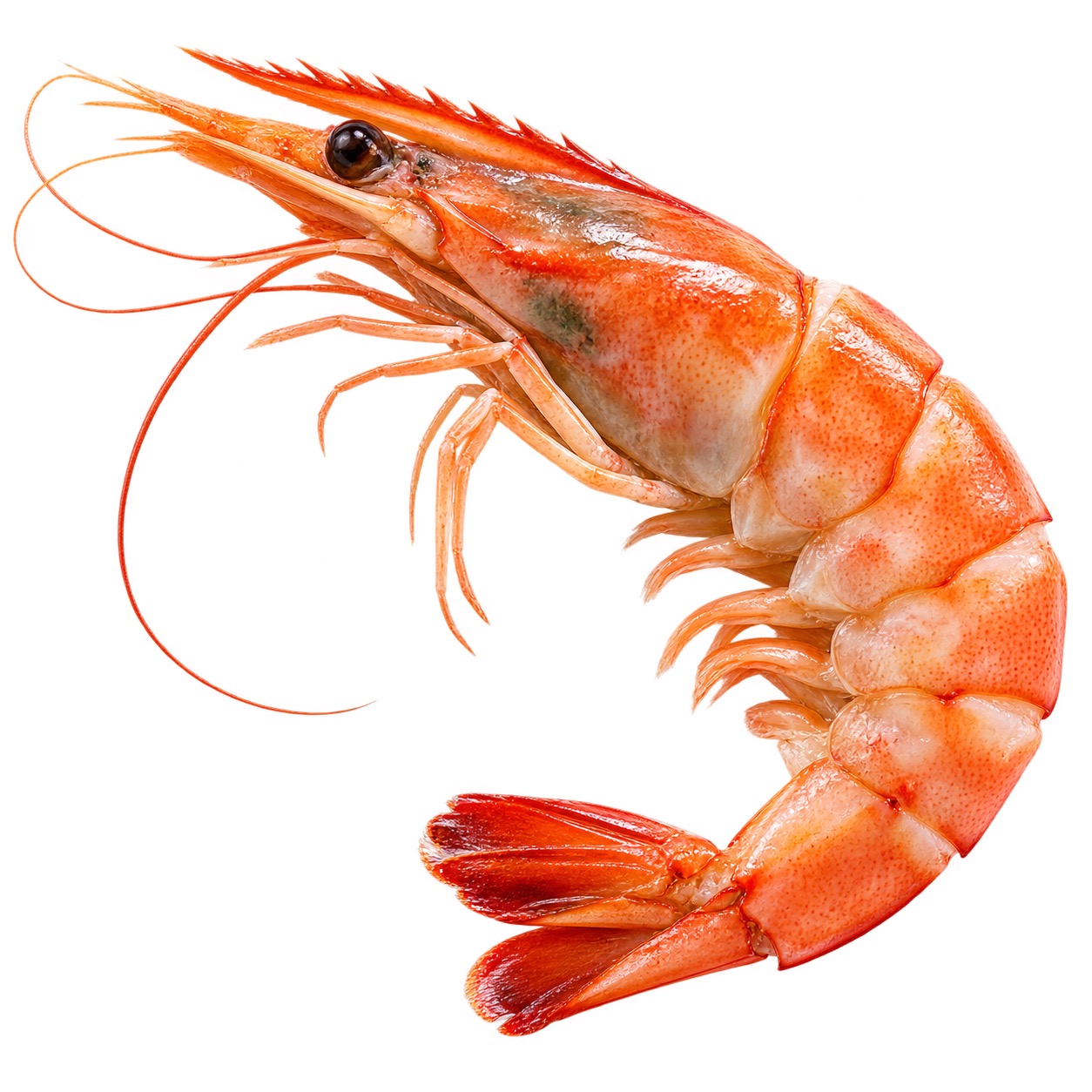 Tiger Shrimp
— 450 g · peeled and deveined; operational alias used because permanent master registry code is not yet assigned
tiger_shrimp
-
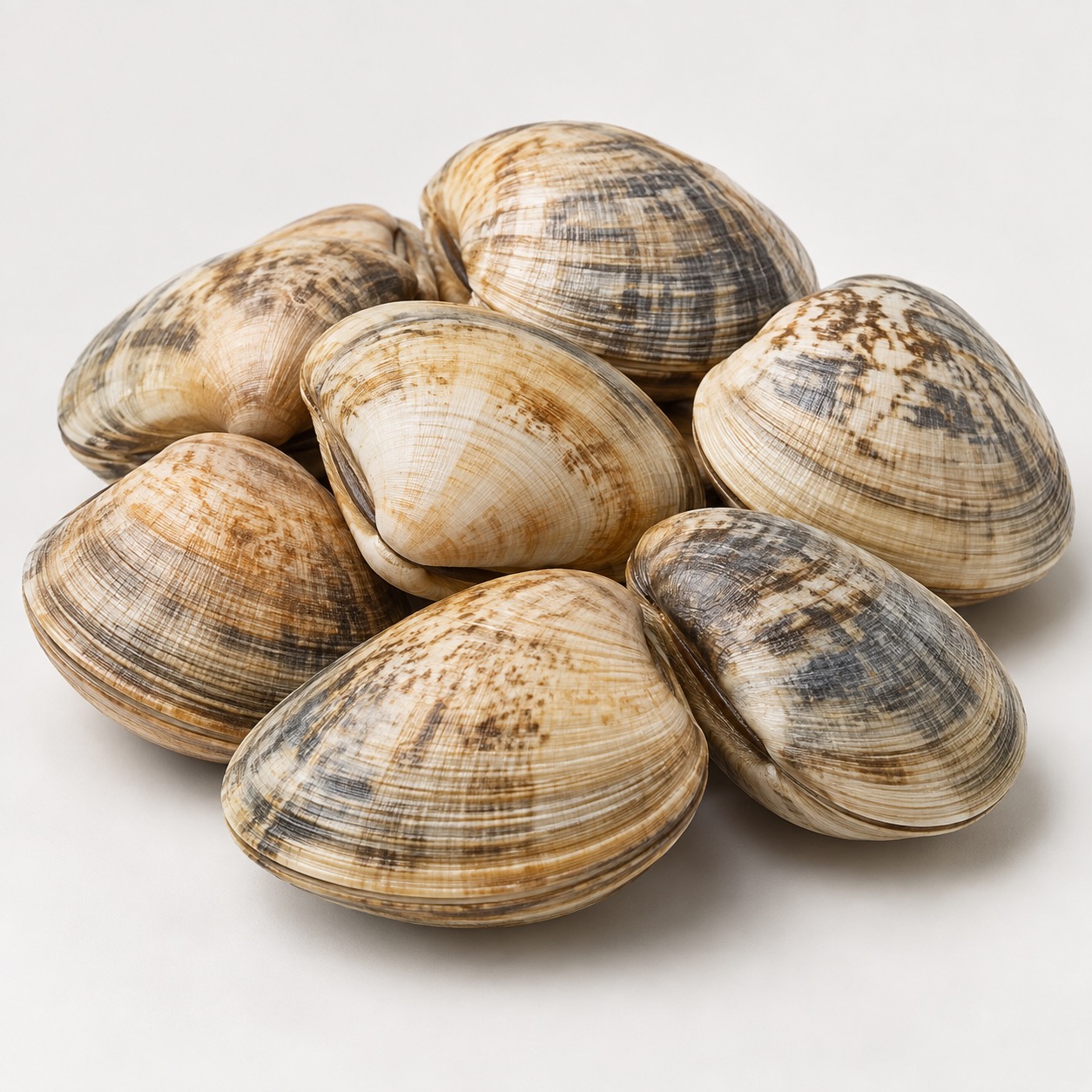 Clams
— 450 g · scrubbed; Manila clam graphic used as the current family reference because the source recipe specifies clams generically
clams
-
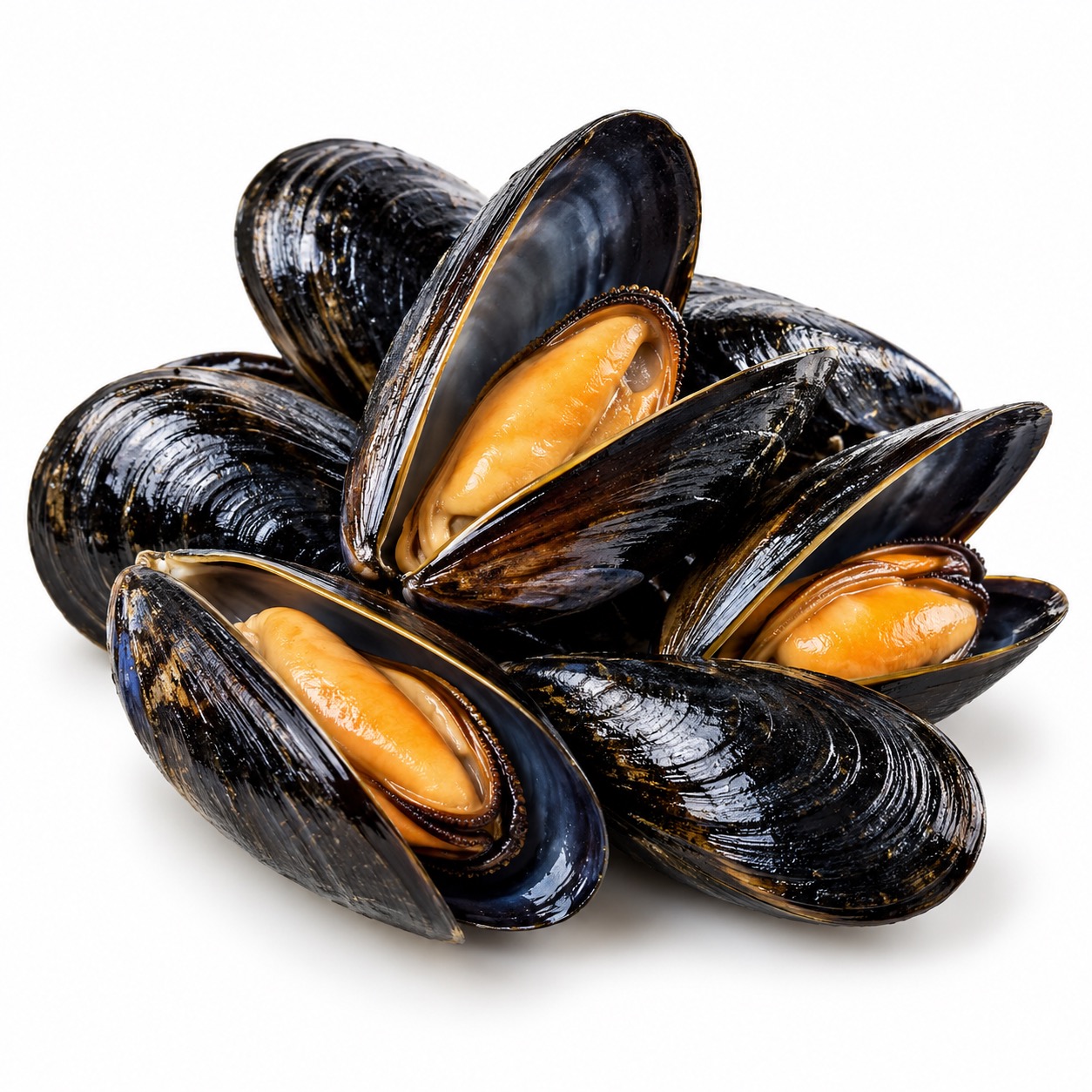 Mussels
— 450 g · scrubbed and debearded; PEI black mussel graphic used as the current family reference
mussels
-
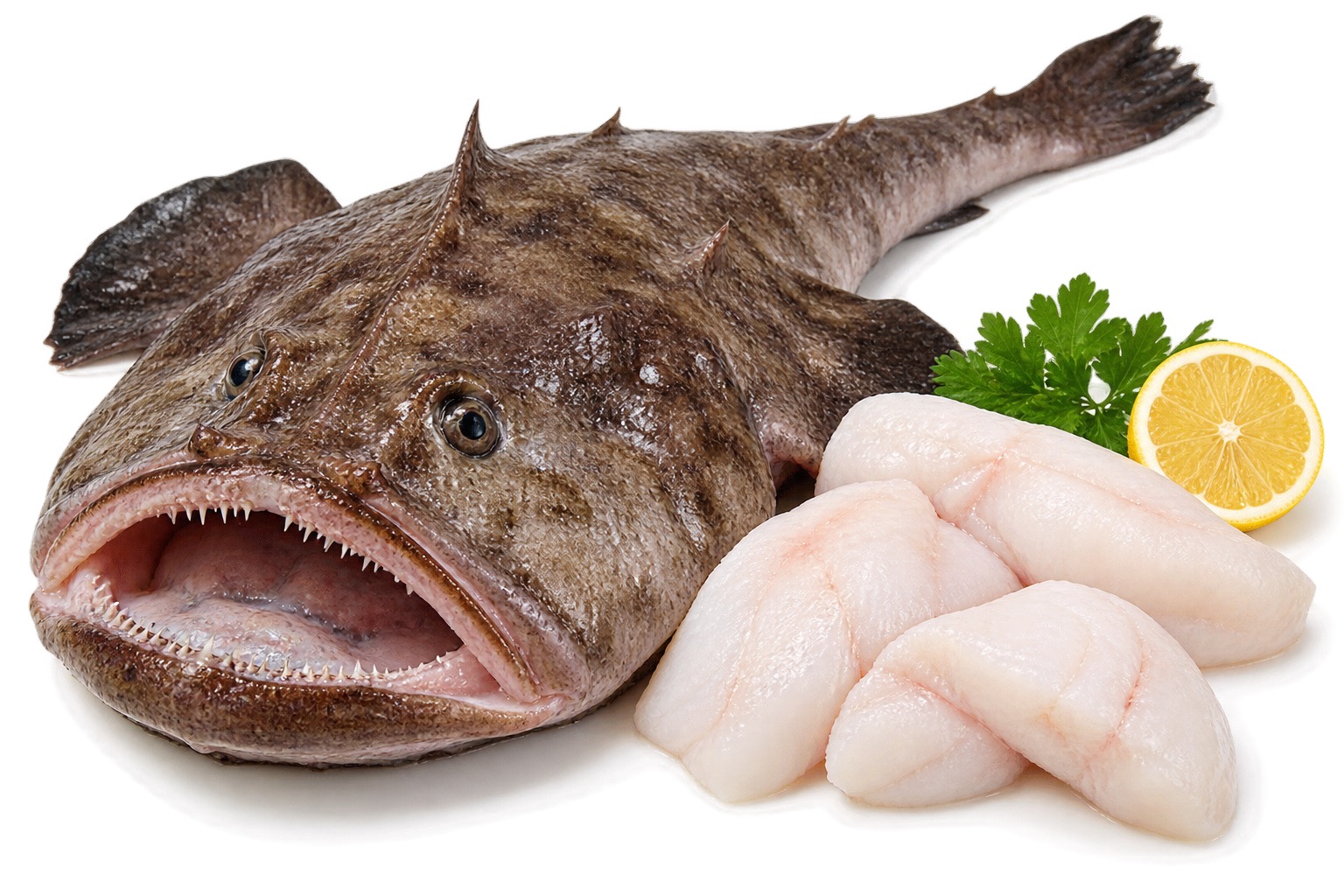 Monkfish
— 450 g · cut into bite-sized pieces; permanent Tuscany Cuisine Monkfish / Coda di Rospo identity
FISH-MONKFISH-001
-
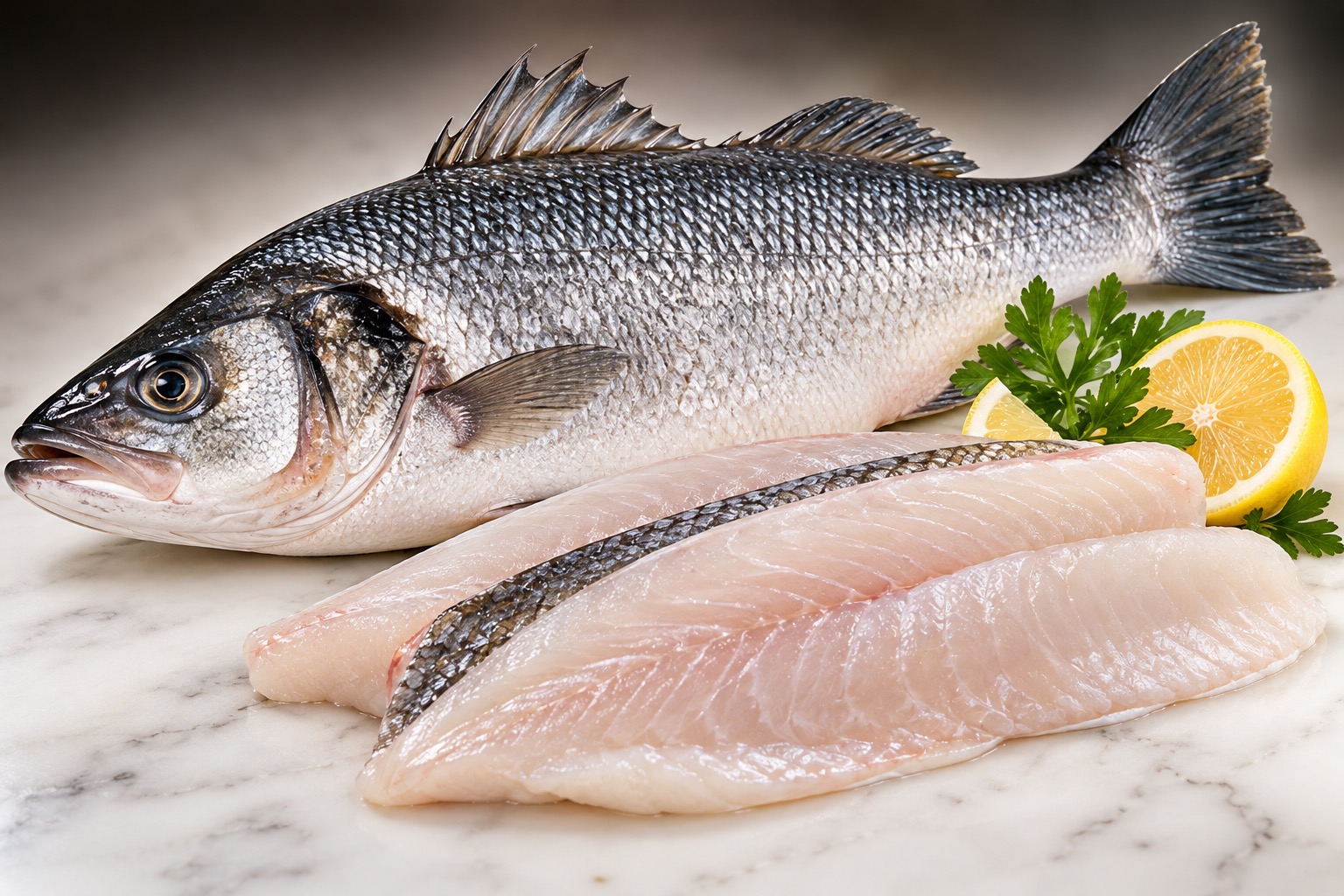 Sea Bass Fillet
— 450 g · skin removed; permanent Tuscany Cuisine Sea Bass / Branzino identity; exact species retained at purchasing level
FISH-SEABASS-001
-
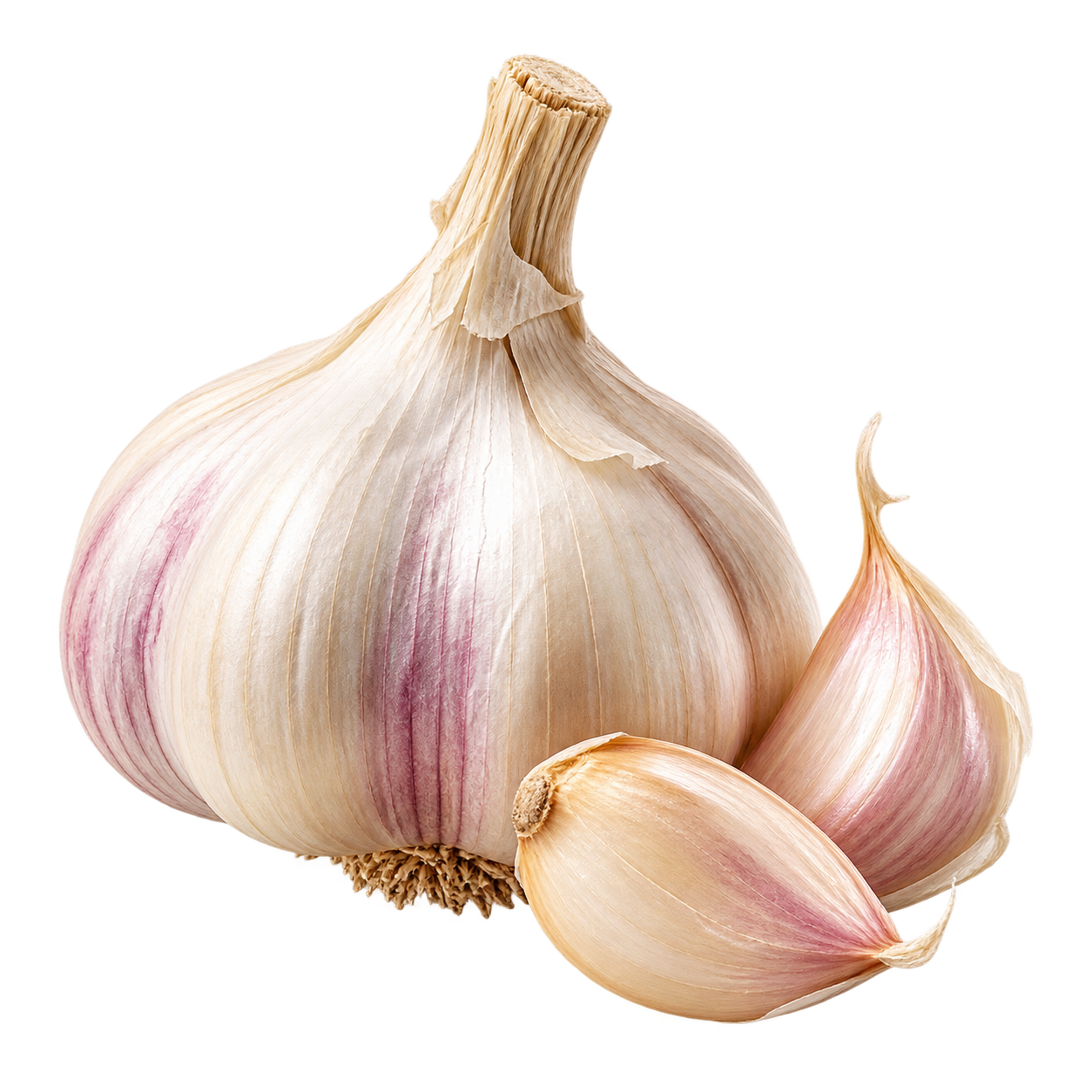 Garlic
— 5 g · briefly blanched with lemon zest for pesto Carlofortino
TC-VEG-GARLIC-001
-
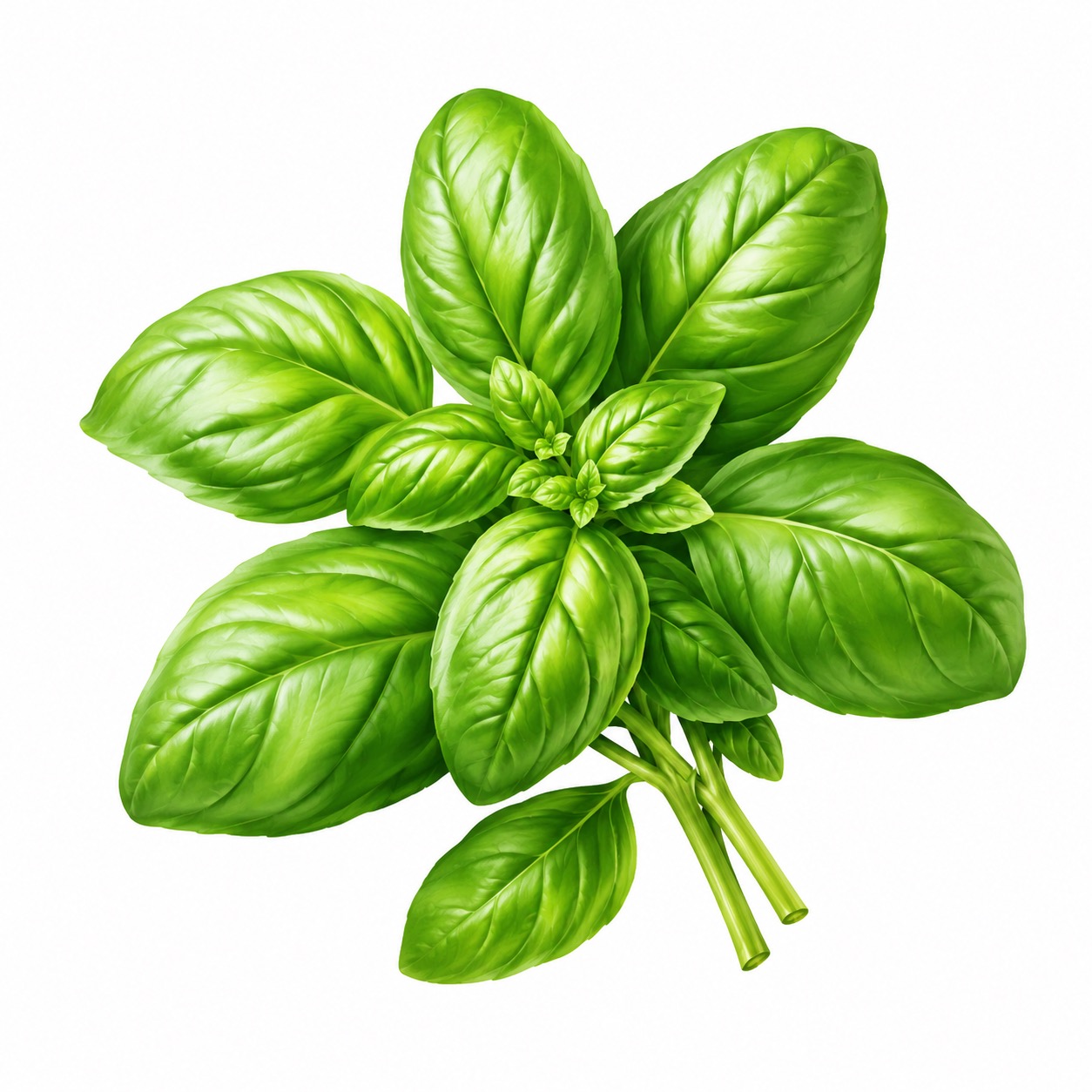 Fresh Basil Leaves
— 90 g · fresh leaves for pesto Carlofortino
HERB-BASIL-FRESH-001
-
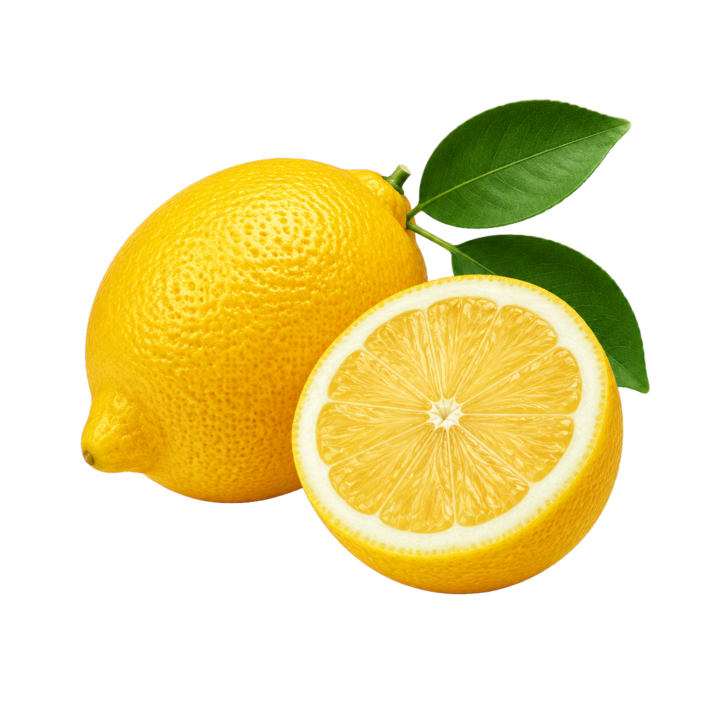 Fresh Lemon
— 3 g zest · 3 g freshly grated zest; whole-fruit inventory requires yield conversion
FRUIT-CITRUS-LEMON-FRESH
-
 Tomato Marinara Sauce
— 950 ml · prepared tomato marinara sauce
tomato_marinara_sauce
-
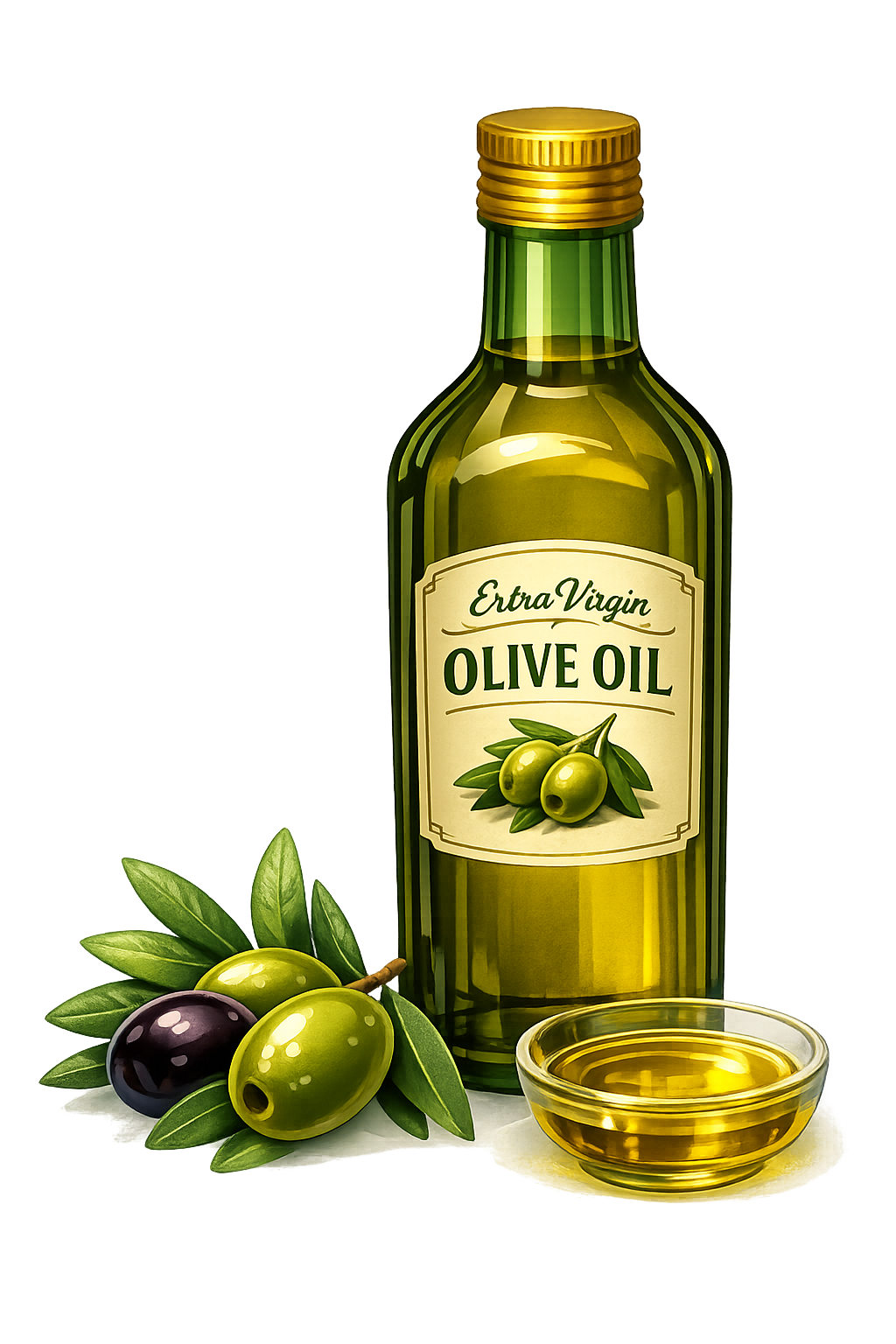 Extra Virgin Olive Oil
— as needed · for seafood cooking, pesto, pasta sheets and finishing
OIL-0001
-
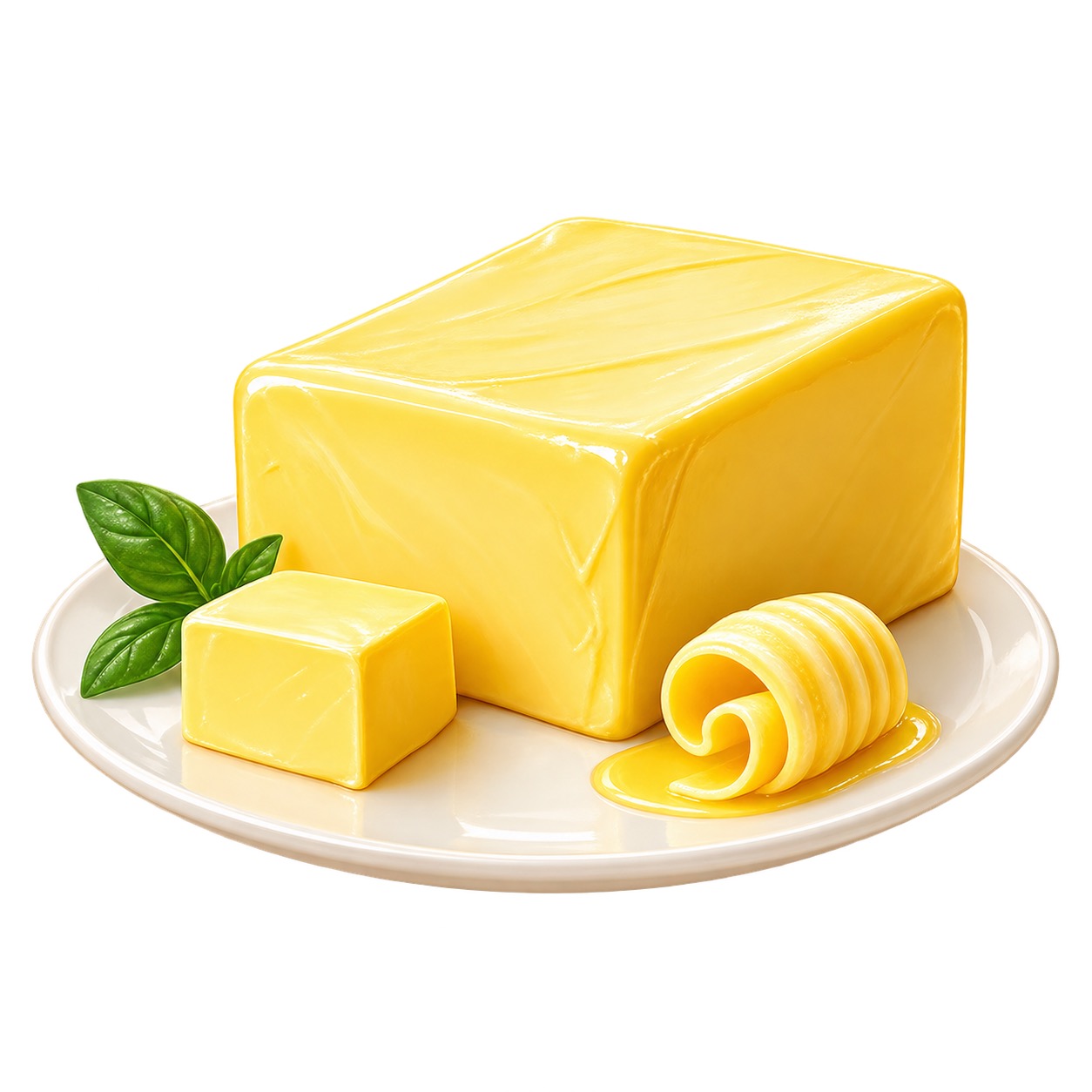 Unsalted Butter
— 225 g · for baking dish and final top layer
unsalted_butter
-
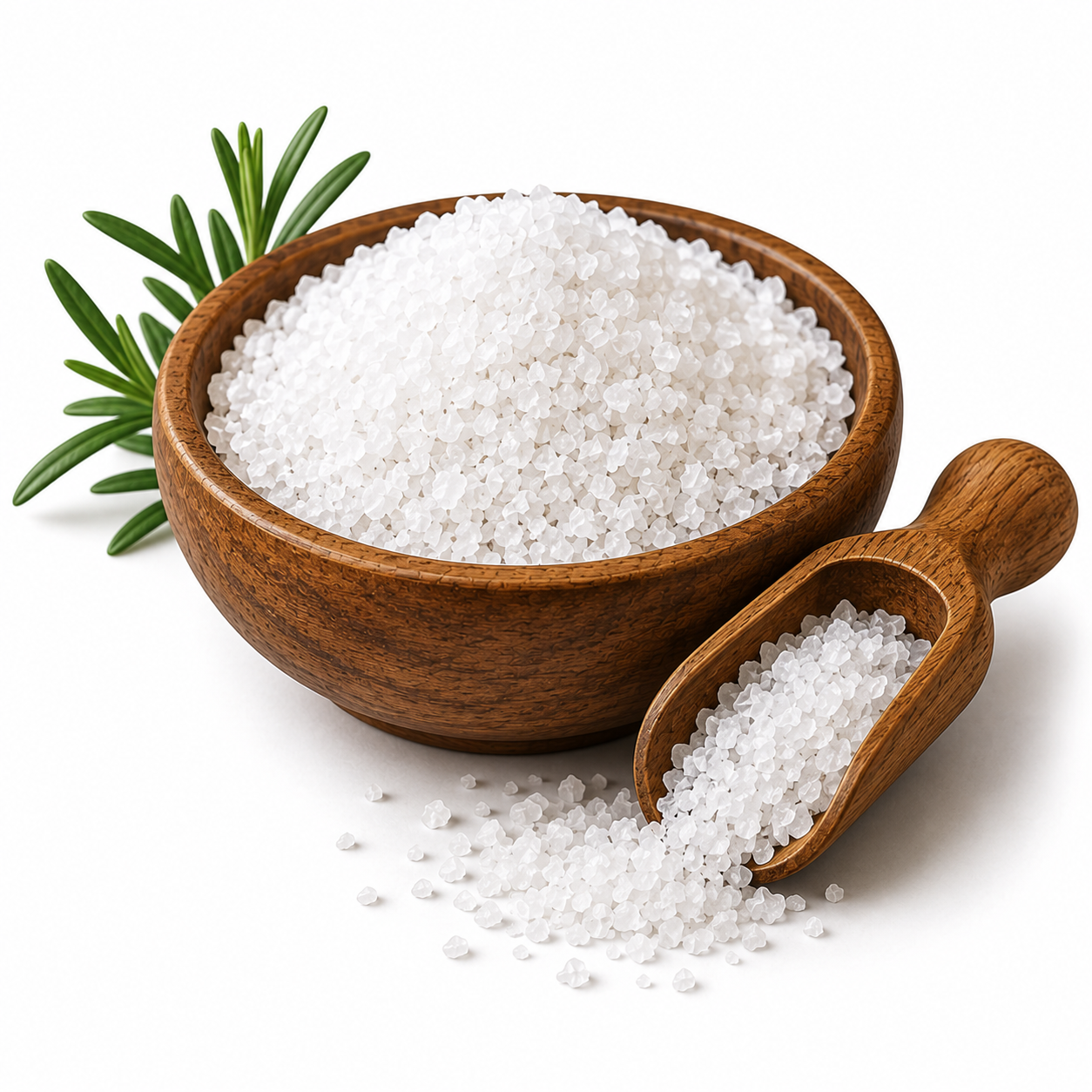 Sea Salt
— to taste · seasoning
SPICE-SALT-0001
-
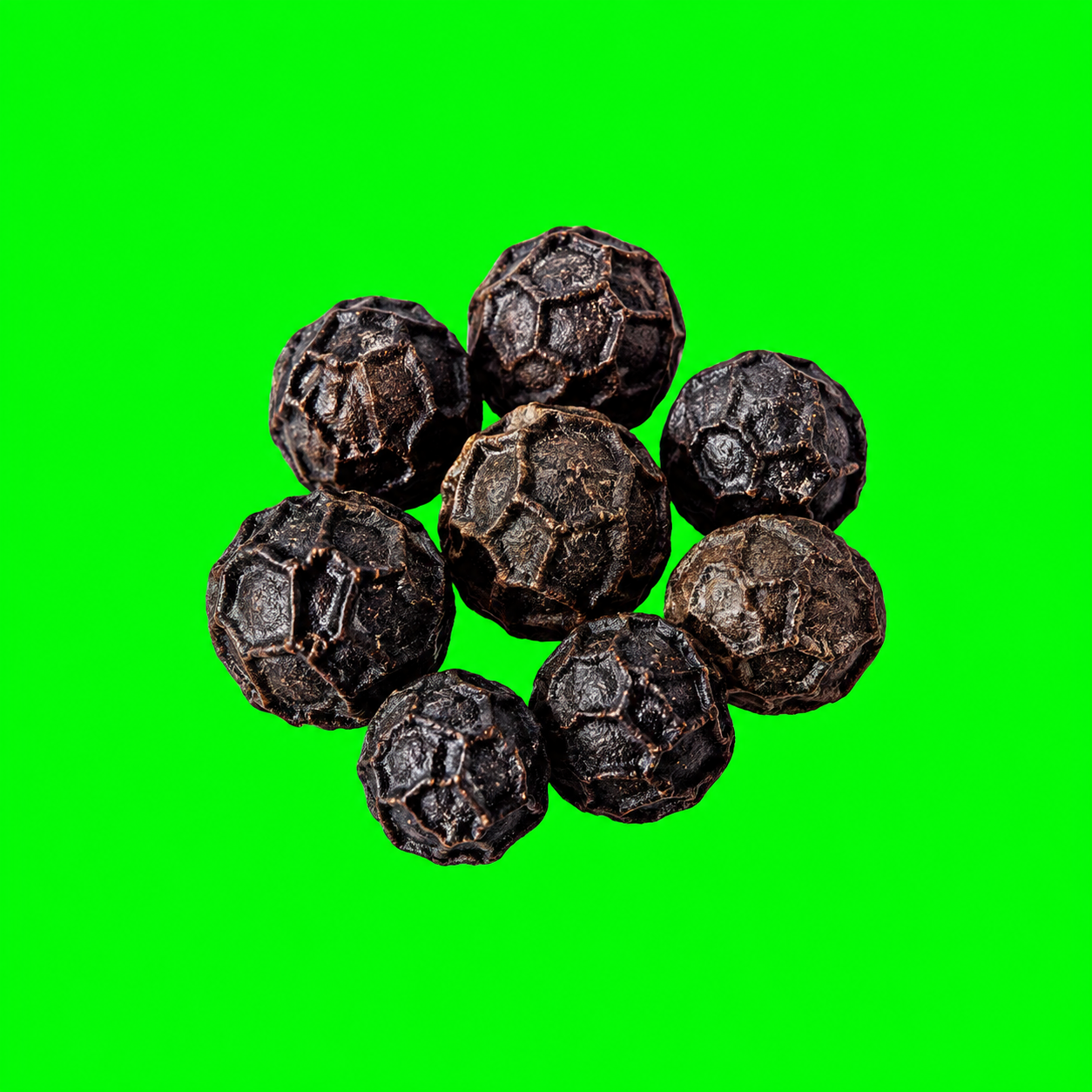 Black Peppercorns
— to taste · freshly ground
SPICE-PEPPERCORN-BLACK
Preparation
- In a large pan, heat a drizzle of extra-virgin olive oil and add the clams and mussels. Cover and steam over medium-high heat until the shells open. Remove the shellfish from the shells and strain the cooking juices through a fine sieve. Reserve both.
- In a separate pan, sauté the tiger shrimp in a little olive oil until just opaque, then set aside. Roast or pan-sear the sea bass with olive oil, salt, and pepper until just cooked through. Gently poach the monkfish in some tomato marinara until tender.
- Combine the cooked seafood with the crab meat, part of the béchamel, and a few spoonfuls of the reserved shellfish juices to create a delicate, creamy seafood filling.
- For the pesto Carlofortino, briefly boil the garlic with the lemon zest to mellow the flavor. Drain, then blend with basil leaves and enough extra-virgin olive oil to make a smooth, bright pesto. Season lightly with salt.
- Roll the fresh pasta dough into thin lasagna sheets. Cook briefly in salted boiling water, cool in ice water, then lay out on towels and brush lightly with olive oil.
- Butter a baking dish. Spread a thin layer of béchamel on the bottom, then cover with pasta sheets. Add a layer of seafood filling, drizzle with pesto Carlofortino, and spoon over a little marinara if desired.
- Repeat the layers of pasta, seafood filling, béchamel, and pesto until the dish is nearly full. Finish with a final layer of pasta and a generous coating of béchamel. Dot lightly with butter.
- Chill the lasagna briefly to set the layers. Bake in a preheated 450°F oven for about 10 minutes, or until heated through and lightly golden on top.
- Allow the lasagna to rest for a few minutes before slicing. Garnish each portion with a spoonful of pesto Carlofortino and a drizzle of extra-virgin olive oil before serving.
Service Suggestions
- Rest the lasagna briefly after baking so the layers stabilize before slicing.
- Finish each portion with pesto Carlofortino and a small drizzle of extra-virgin olive oil.
- Keep the seafood filling moist; avoid excessive sauce reduction or prolonged rebaking.
- Serve as a signature seafood primo, tasting-menu course or refined baked-pasta special.
Dietary / HACCP Notes
- Contains crustacean shellfish: crab and shrimp.
- Contains molluscan shellfish: clams and mussels.
- Contains fish: monkfish and sea bass.
- Contains dairy through béchamel and butter.
- Fresh egg pasta and béchamel normally contain egg and gluten; verify component recipes and supplier labels.
- Cook live shellfish only from approved sources and discard damaged shells or shellfish that do not open during cooking according to the operation’s approved food-safety procedure.
- Fresh lemon zest maps to whole lemon inventory and requires measured yield conversion for accurate whole-fruit deduction.
| Calories | 640 kcal |
| Protein | 34 g |
| Carbohydrates | 42 g |
| Fat | 36 g |
| Fiber | Not supplied |
| Cholesterol | Not supplied |
| Sodium | 780 mg |
History & Inspiration
Lasagna is one of Italy’s great layered pasta traditions, often associated with ragù, béchamel and family-style baked preparations. This version moves toward the coast, combining shellfish, white fish, herbs, citrus and olive oil in a lighter but still luxurious expression of baked pasta.
The pesto Carlofortino brings a bright island-inspired accent to the dish, while the fresh pasta structure keeps the recipe connected to the broader Tuscany Cuisine history of handmade Italian pasta.