Professional stock & sauce foundation by Chef David Giani
Roasted Shellfish Stock · Fondo di Crostacei

Shellfish Stock

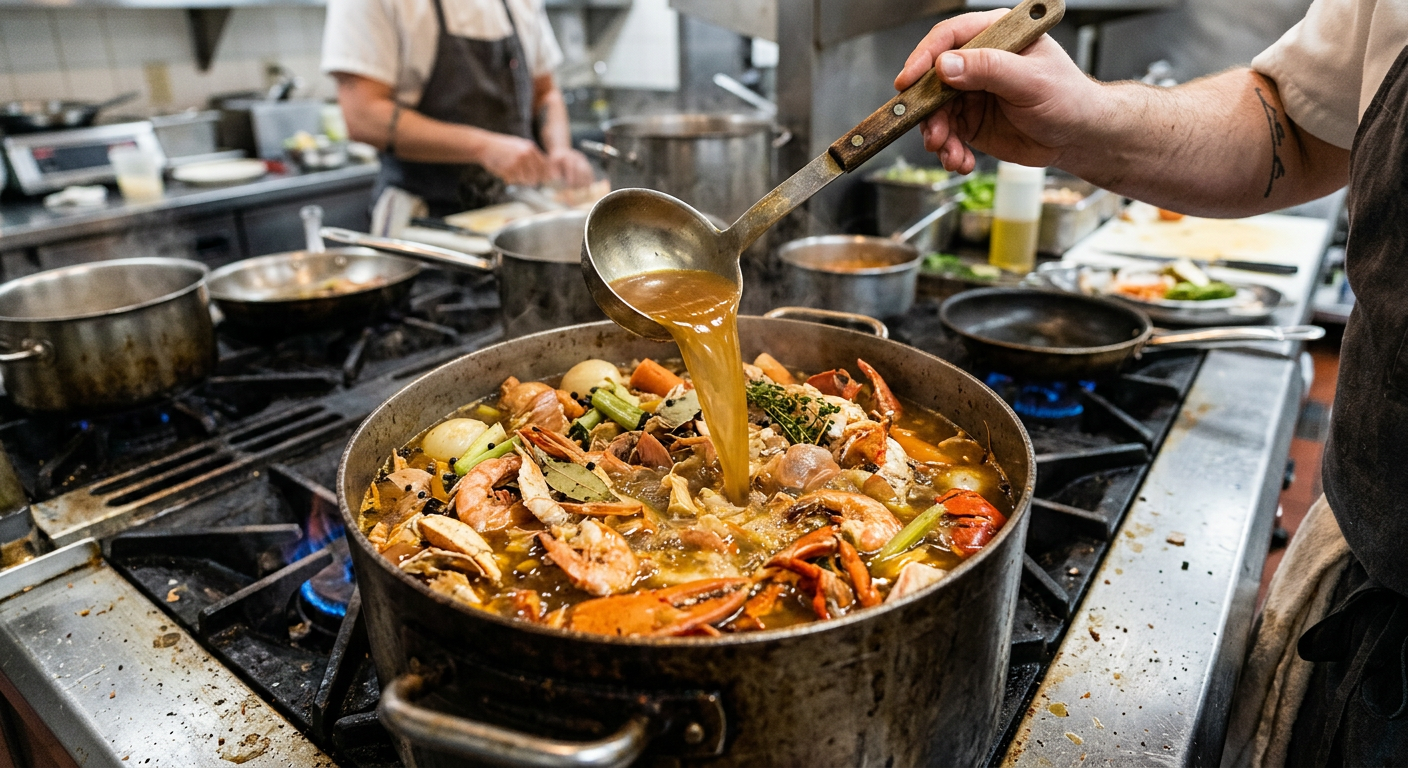
A concentrated professional stock made from lobster, shrimp and crab shells, roasted with mirepoix and extracted gently with water, pre-boiled white wine and fresh aromatics.

It is designed as a clean culinary foundation for risotti, seafood sauces, reductions, soups, pasta preparations and recipe components throughout the Tuscany Cuisine platform.

No salt is added to the stock. Preserve the natural shellfish flavor and allow the final dish or reduction to control its own seasoning.
Shellfish Stock prepared ingredient icon Recipe / Ingredient Icon · shellstock.webp
Shell Base750 g total shells
Roasting375°F / 190°C · 35 min
ExtractionGentle simmer · 2 hours
Rest40 minutes
SeasoningNo added salt

Integrated Prepared Component

shellstock.webp is the reusable Shellfish Stock identity for this page. The same prepared-component identity is exposed to the shared Ingredients Engine, Live Inventory, Saucier operations, labor records, Master Search and dependent recipes.

Prepared Ingredient: shellfish_stock Icon Sync: shellstock.webp Saucier Station Live Inventory Input + Output Labor Engine Menu Builder Component Vendor / Purchasing / Receiving Master Search

Professional Formula

Base production formula with a live batch multiplier.

Ingredient + Platform Identity Scaled Formula Preparation
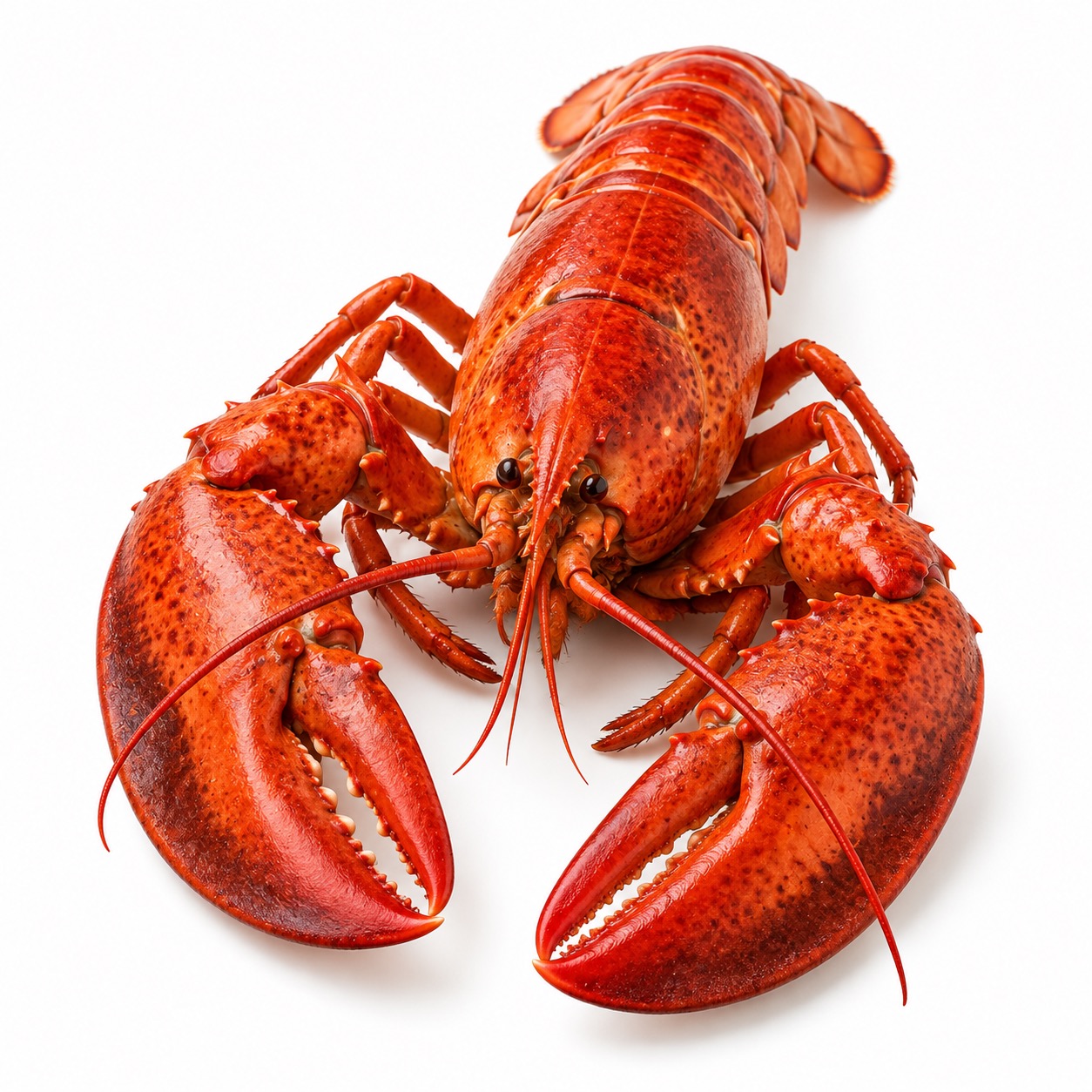
Lobster ingredient icon for Lobster Shells
Lobster Shells lobster_shells
250 g Wash and dry. The icon links to the Lobster Culinary Foundations page; shells remain a separate stock-production inventory byproduct.
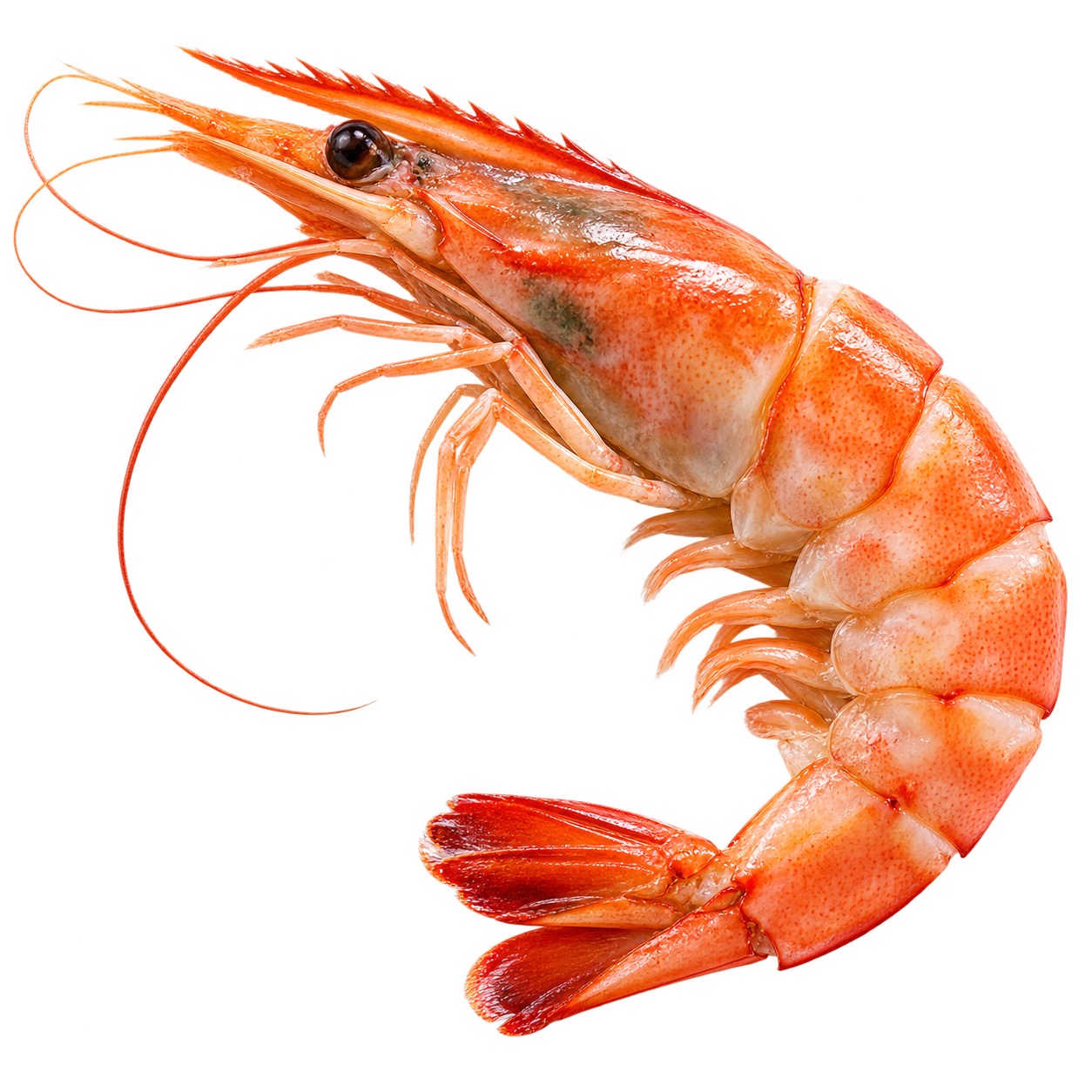
Shrimp Shells & Cleaned Heads ingredient icon
Shrimp Shells & Cleaned Heads shrimp_shells
250 g Remove brain material from heads; wash and dry.
Crab Shells ingredient icon
Crab Shells crab_shells
250 g Wash and dry.
Potable Water ingredient icon
Potable Water WATER-POTABLE-001
4000 ml 4 L at the base batch.
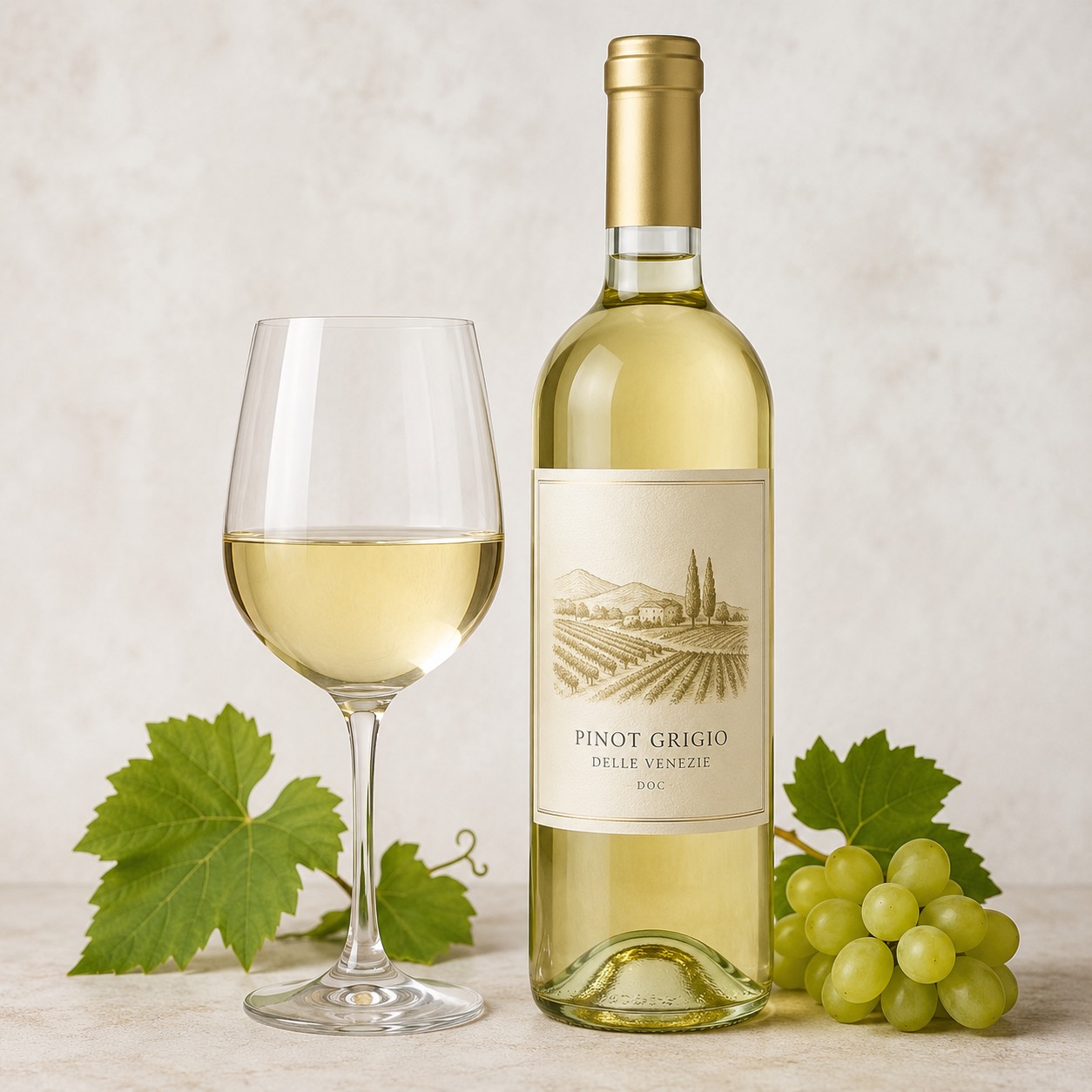
White Wine ingredient icon
White Wine white_wine
1000 ml Bring to a boil separately before adding.
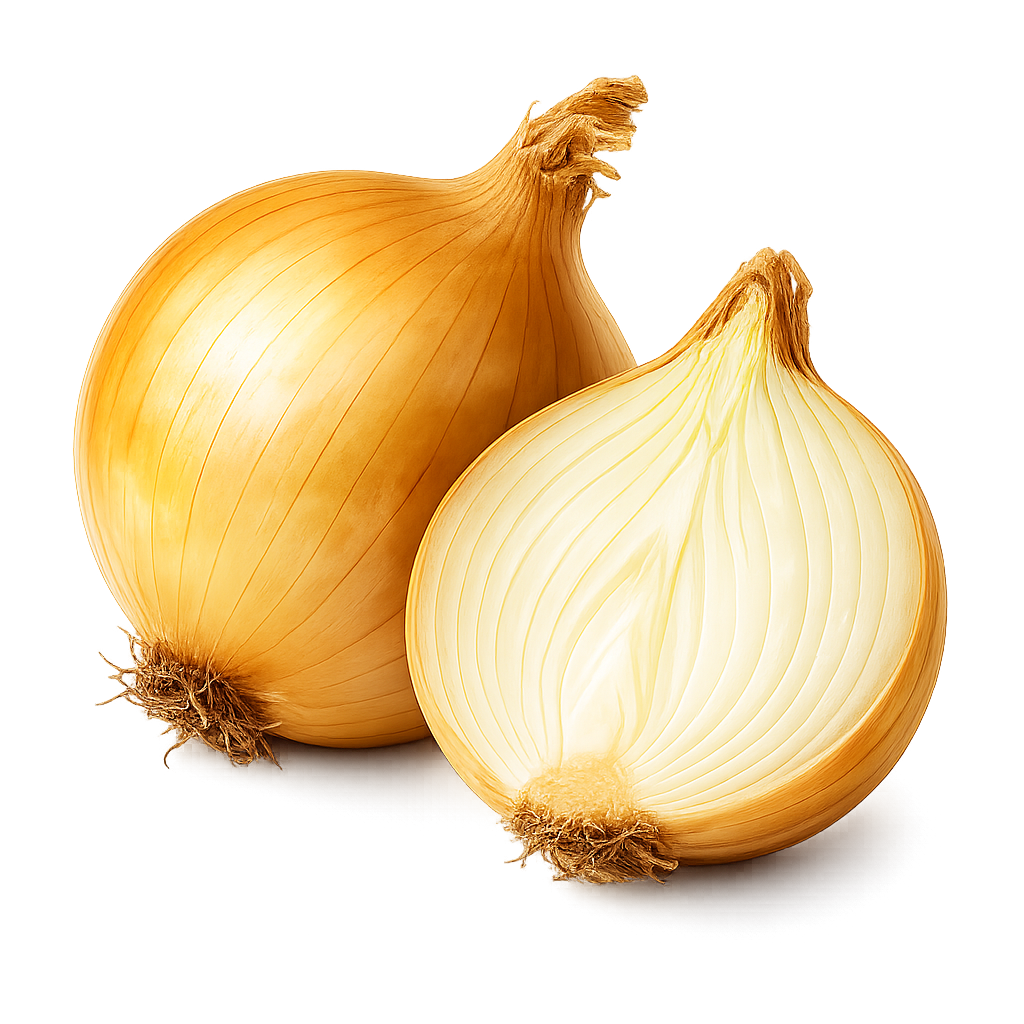
Large Yellow Onion ingredient icon
Large Yellow Onion yellow_onion
50 g Rough cut.
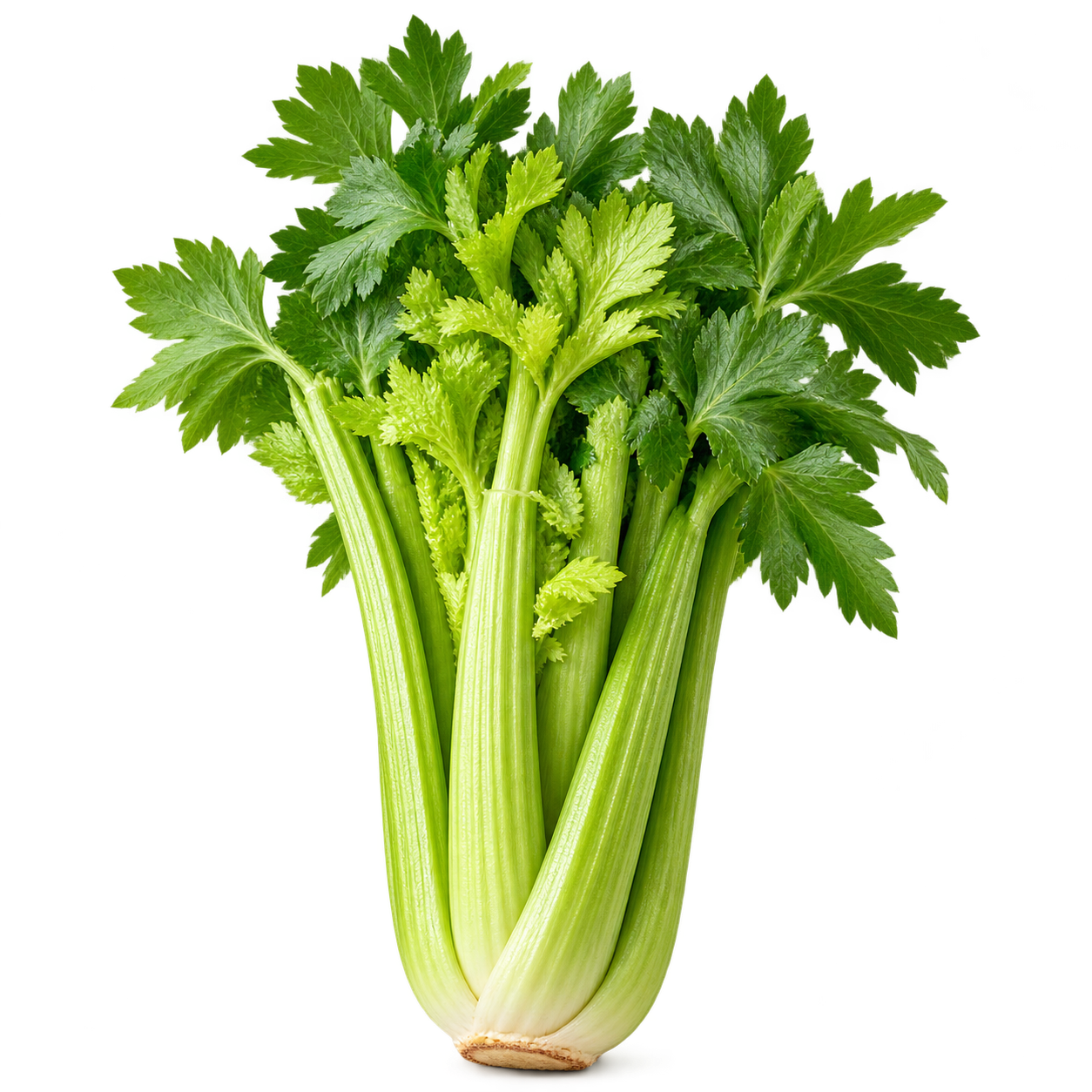
Celery Stalks ingredient icon
Celery Stalks VEG-CEL-001
100 g Rough cut.
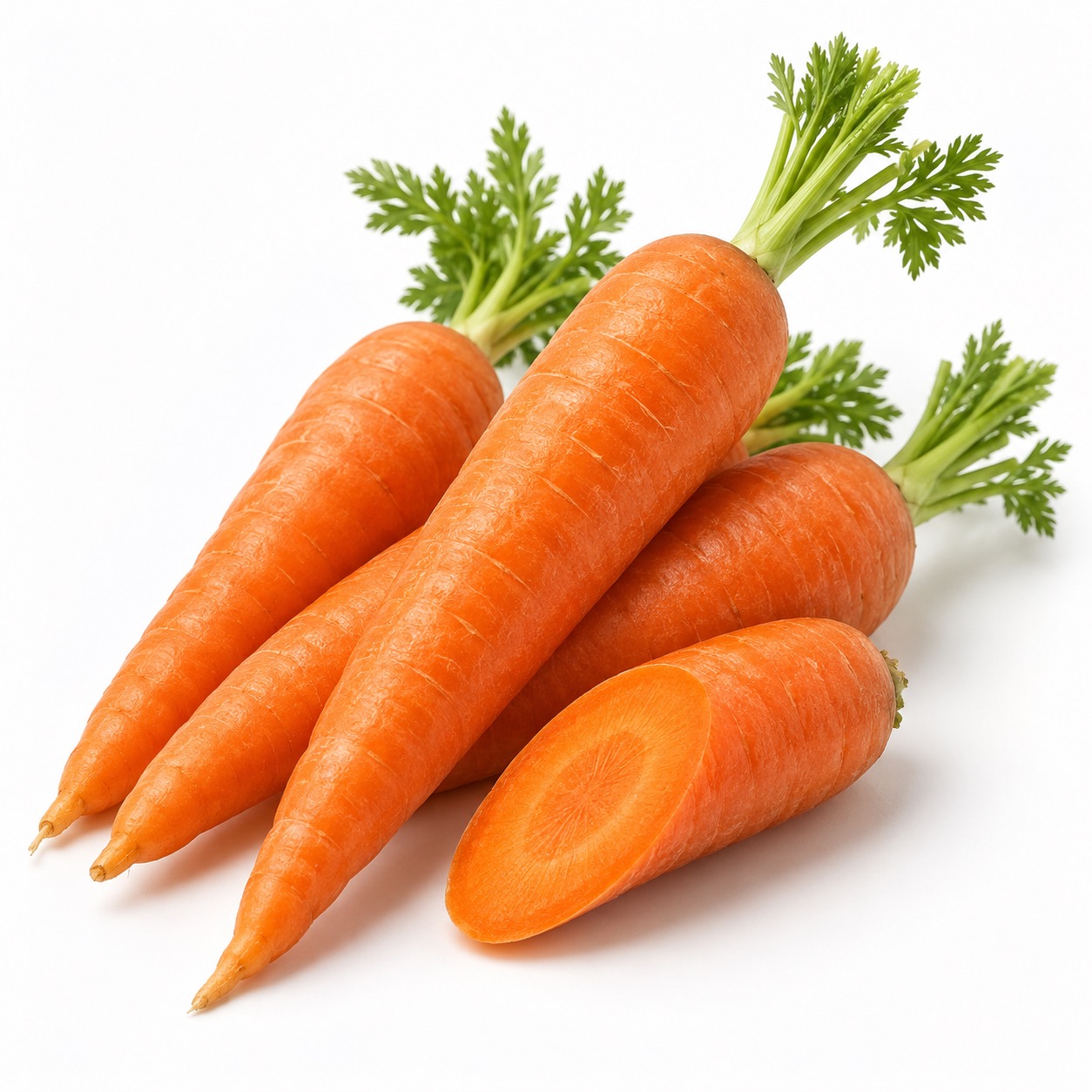
Jumbo Carrot ingredient icon
Jumbo Carrot TC-VEG-CARROT-001
50 g Rough cut.
Fresh Bay Leaves ingredient icon
Fresh Bay Leaves HERB-BAY-LAUREL
3 leaves Use in the bouquet garni with 2 thyme sprigs and 10 g whole black peppercorns.
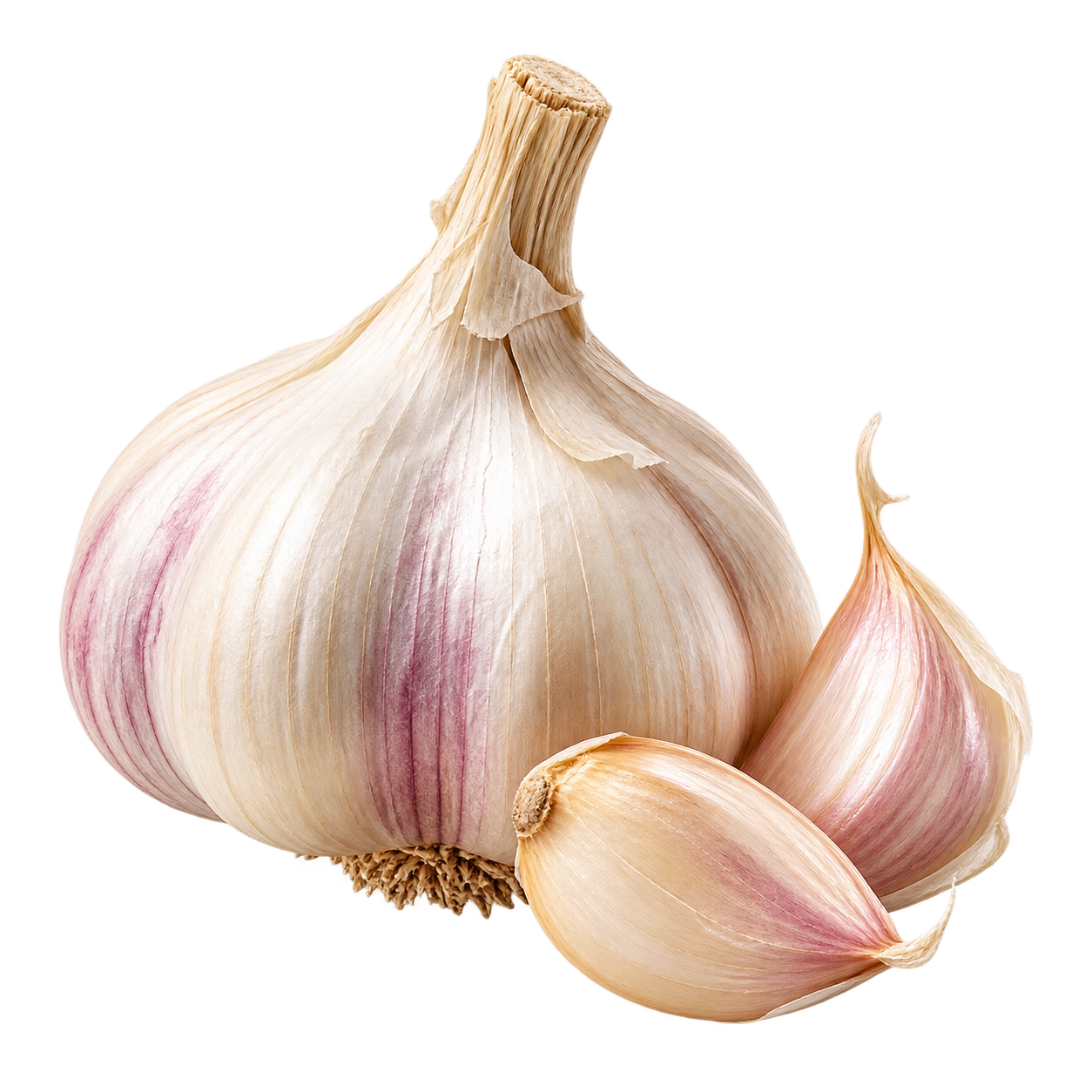
Garlic Clove ingredient icon
Garlic Clove TC-VEG-GARLIC-001
1 clove Whole clove.
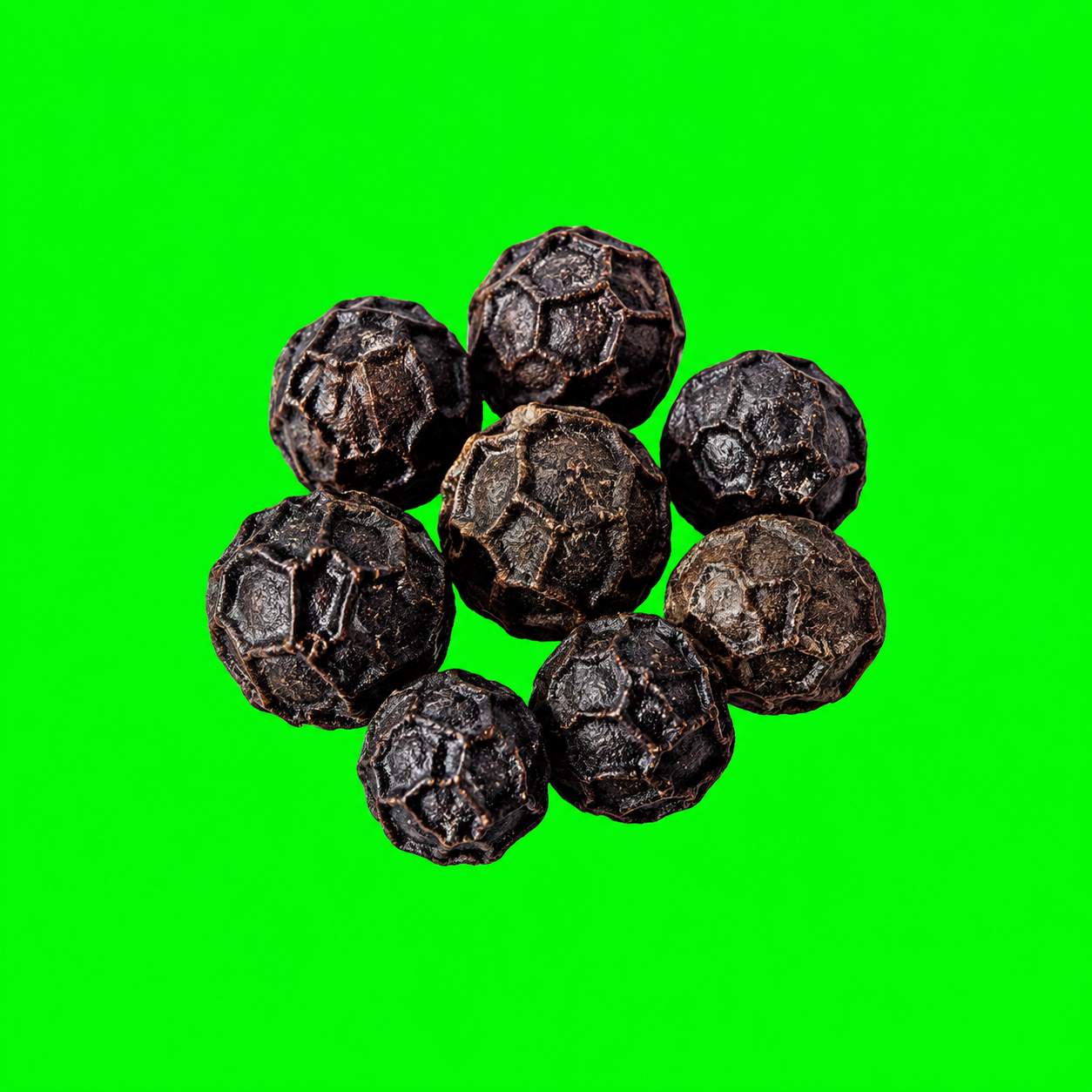
Black Peppercorns ingredient icon
Black Peppercorns SPICE-PEPPERCORN-BLACK
10 g Keep whole; use in the bouquet garni with 3 bay leaves and 2 thyme sprigs.
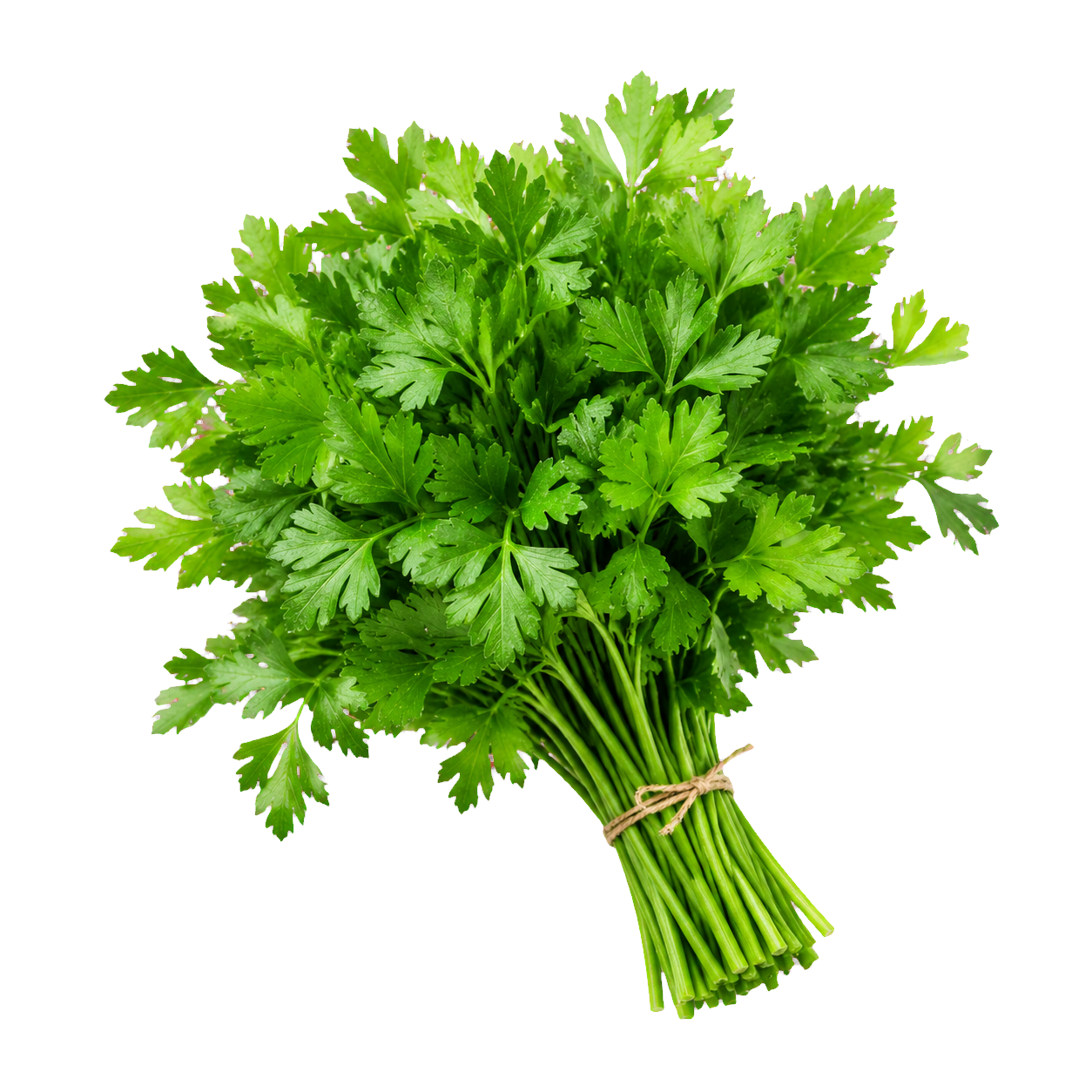
Italian Flat-Leaf Parsley ingredient icon
Italian Flat-Leaf Parsley HERB-PARSLEY-FLAT
As needed Loose or bouquet garni.
Thyme / Timo ingredient icon
Thyme / Timo TC-HERB-THYME-001
2 sprigs Use in the bouquet garni with 3 bay leaves and 10 g whole black peppercorns.
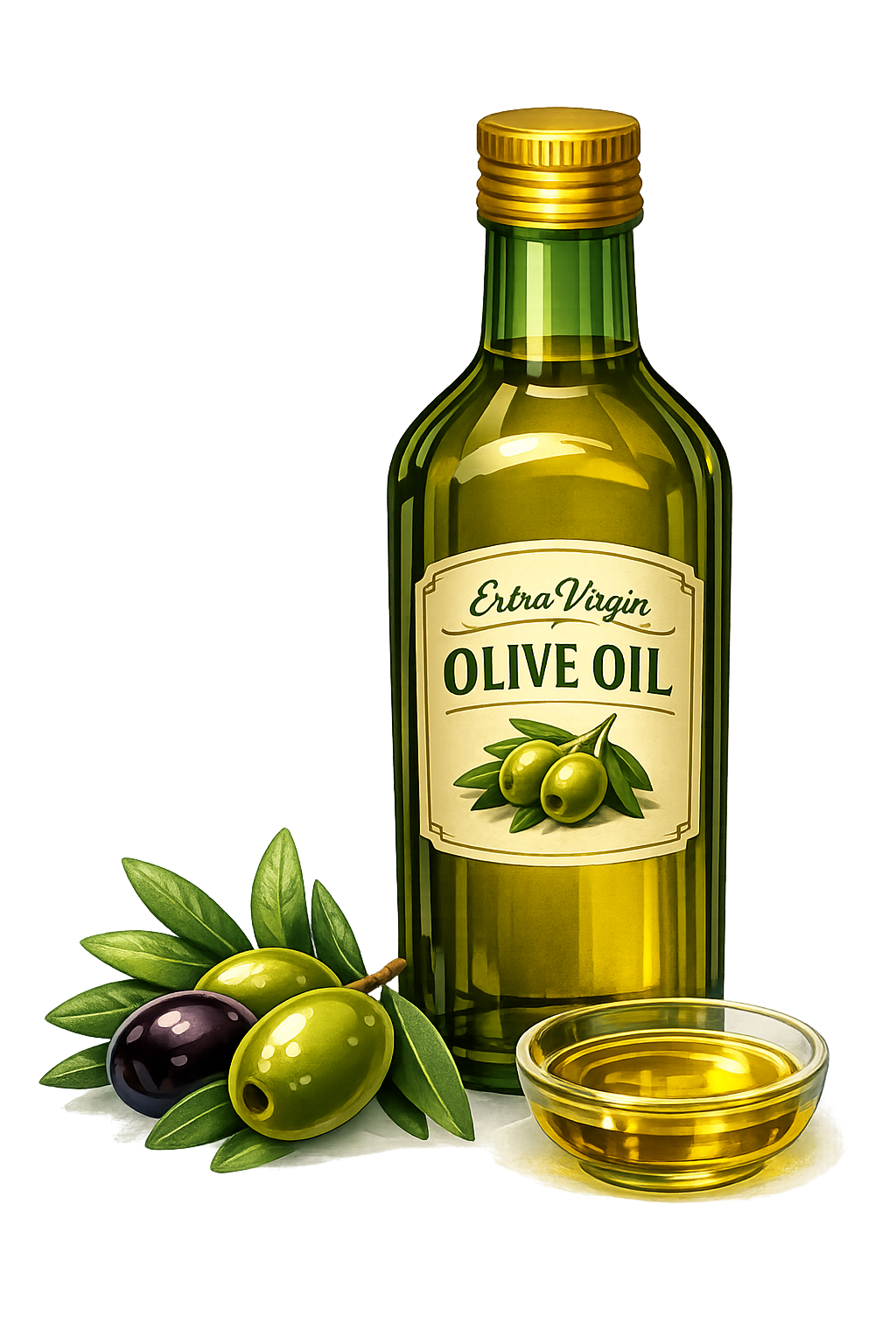
Light Olive Oil ingredient icon
Light Olive Oil light_olive_oil
As needed Light drizzle for roasting shells and mirepoix.
Ingredient icon synchronization: the Professional Formula now renders the published graphics directly in the HTML and also exposes the same code, inventory ID, icon path and ingredient-page identity to the shared Ingredients Engine and Live Inventory. Exact graphics are locked so a delayed dashboard lookup cannot replace them with an empty image.
Lobster shell identity: the Lobster Shells row keeps inventory_id: lobster_shells for stock-production deduction, while its published visual and knowledge connection now use lobster1.webp → lobster.html. This preserves the byproduct inventory identity without duplicating the whole-lobster master ingredient.
Important production rule — no salt: shellfish stock is a base preparation that may later be reduced substantially. Adding salt at this stage can make the final sauce or recipe overly salty after reduction.

Production Timeline

Roasting builds the flavor; gentle extraction preserves clarity and aroma.

35 minRoast shells + mirepoix at 375°F / 190°C
120 minLow, controlled simmer
40 minRest off heat before straining
VariableFinal reduction to the consistency required by the recipe
Labor synchronization note: the fixed process time is 195 minutes before the final reduction. Active hands-on labor should be recorded from the operation's actual production cycle because shell cleaning, pan handling, straining and reduction supervision can vary by batch size.

Live Inventory & Labor Synchronization

The batch multiplier drives the recipe quantities and Live Inventory preview. The labor profile uses the same Tuscany Cuisine labor-record architecture as the integrated master recipe templates.

Live Inventory Mapping

Fixed quantities scale with the batch multiplier. “As needed” aromatics remain process quantities until your operation records an exact usage amount.

    Shellfish Stock prepared ingredient icon
    Prepared Inventory Output · Shellfish Stock

    Inventory ID shellfish_stock. Measure and record the finished milliliters after the final reduction; the finished yield is intentionally not hard-coded because concentration changes by recipe purpose.

    Labor Calculation

    Initial operations profile for one production batch. Passive roasting, simmering and resting time is tracked for scheduling but excluded from paid labor.

    Labor calculation loading…
    Requested multiplier1.00×
    Production batches1
    Labor / requested batch45.00 min
    Labor cost / requested batch$41.25
    PROVISIONAL UNTIL TIMED PRODUCTION TEST
    Base labor profile: 25 min active preparation + 10 min active handling/cook work + 10 min cleanup = 45 paid labor minutes per production batch at the platform labor rate of $55/hour. The 35 min roast + 120 min simmer + 40 min rest = 195 min passive process time. Final reduction time remains variable.

    Professional Preparation

    Chef David Giani method for a clean, aromatic shellfish foundation.

    Clean the shells. Wash the lobster, shrimp and crab shells thoroughly. Clean the shrimp heads by removing the brain material, then rinse and dry the shells well. Dry shells roast instead of steaming.
    Prepare the mirepoix. Rough-cut the yellow onion, celery and carrot. Keep the garlic clove whole.
    Roast. Combine the shells with the mirepoix and garlic. Drizzle lightly with light olive oil and roast at 375°F / 190°C for 35 minutes, until the shells become fragrant and the vegetables begin to color.
    Transfer to the stockpot. Move the toasted shells and vegetables into a clean stockpot, including the aromatic juices from the roasting tray.
    Prepare the white wine separately. Bring the white wine to a boil in a separate saucepan and simmer briefly to cook off the harsh raw-alcohol character. This preserves the wine's aroma and acidity without introducing a strong alcoholic edge to the stock.
    Add the liquids. Add the 4 liters of water, followed by the hot pre-boiled white wine.
    Make the bouquet garni. Place 3 fresh bay leaves, 2 sprigs of fresh thyme, and 10 g whole black peppercorns in a piece of cheesecloth. Wrap the three aromatics securely and tie the bundle with kitchen twine. Add the bouquet garni to the stock, then add the fresh parsley separately.
    Extract gently. Bring the stock up slowly and maintain a gentle simmer for 2 hours. Do not hard-boil; a calm extraction gives a cleaner flavor and keeps the stock from becoming unnecessarily cloudy.
    Rest. Remove from the heat and allow the stock to rest for 40 minutes. This settling period lets the solids release remaining liquid and allows suspended material to settle before straining.
    Strain finely. Pass the stock through a chinois or fine-mesh strainer. Do not press aggressively on the solids, which can force sediment and bitterness into the liquid.
    Reduce to purpose. Return the strained stock to a clean pot and reduce slowly to the concentration needed for the final recipe: light cooking stock, sauce base, glaze or concentrated seafood essence.
    Season only in the final dish. Do not add salt to the shellfish stock. Let the natural shells, vegetables, herbs, water and wine define the base flavor.
    Cooling and storage: if the strained stock will not be reduced immediately, cool it rapidly using professional food-safety procedures, portion it into shallow containers, label and refrigerate or freeze according to your operation's HACCP plan.

    Why This Method Works

    Each stage has a specific culinary purpose.

    Roasting the Shells

    Roasting develops deeper shellfish aroma and toasted complexity before extraction. Dry shells and moderate oil help create color instead of steaming.

    Pre-Boiling the Wine

    Heating the wine separately softens the raw alcoholic aroma before it enters the stock while keeping the wine's acidity and aromatic contribution.

    No Added Salt

    A stock can be reduced dramatically in later recipes. Keeping the base unsalted protects the chef's ability to control seasoning at the final stage.

    Culinary Applications

    Use the stock as a neutral shellfish foundation throughout the platform.

    Seafood Risotto Shellfish Sauces Bisque Foundations Seafood Pasta Barley & Grain Cookery Poaching Liquids Pan Reductions Seafood Glazes Soup & Broth Base
    Concentration rule: do not force every batch to the same final volume. Reduce according to the intended use. A grain-cooking stock should remain lighter; a sauce foundation can be reduced farther for body and intensity.

    Ingredient Record & Platform Identity

    The stock becomes a reusable prepared ingredient for recipes, search, Live Inventory and future production tools.

    Shellfish Stock prepared ingredient icon
    Canonical nameShellfish Stock
    Italian nameFondo di Crostacei
    Inventory IDshellfish_stock
    Formula IDshellfish_stock
    Formula codeSAUCE-STOCK-SHELLFISH-0001
    CategorySauces and Preparations
    SubcategoryStocks / Seafood Stock
    StationSaucier
    Recipe icon/engine/salse/shellstock.webp
    Hero image/engine/salse/stockshellhero.jpeg
    Knowledge / preparation page/engine/salse/shellfishstock.html
    Salt policyNo added salt
    Formal MIR codePending formal Master Ingredient Registry assignment; page identity uses shellfish_stock
    Ingredient icon ready Live Inventory mapping ready Recipe search metadata ready Menu Builder identity ready Station: Saucier
    Recipe usage: recipes that call for prepared shellfish stock should use inventory_id: shellfish_stock, the icon shellstock.webp, and link directly to this preparation page.
    Connected Recipe: Barley & Shrimp Salad →

    Chef Notes

    Small details that protect clarity, flavor and versatility.

    Keep the Simmer Gentle

    A hard boil breaks shell particles and aromatic solids into the liquid. A controlled simmer gives a cleaner stock and makes final straining easier.

    Reduce After Straining

    Concentrate the clean liquid, not the solids. This gives better control over sweetness, bitterness and final shellfish intensity.